Packing for a Morocco desert tour is less about volume and more about the right items for a single environment that swings between hot afternoons and genuinely cold nights. Travellers heading on a Tangier to Fes: Epic 3-Day Moroccan Journey often overpack city clothes and underpack for the temperature drop once the sun sets over Erg Chebbi. This guide covers what actually earns its place in the bag.
Clothing: Layers Over Bulk
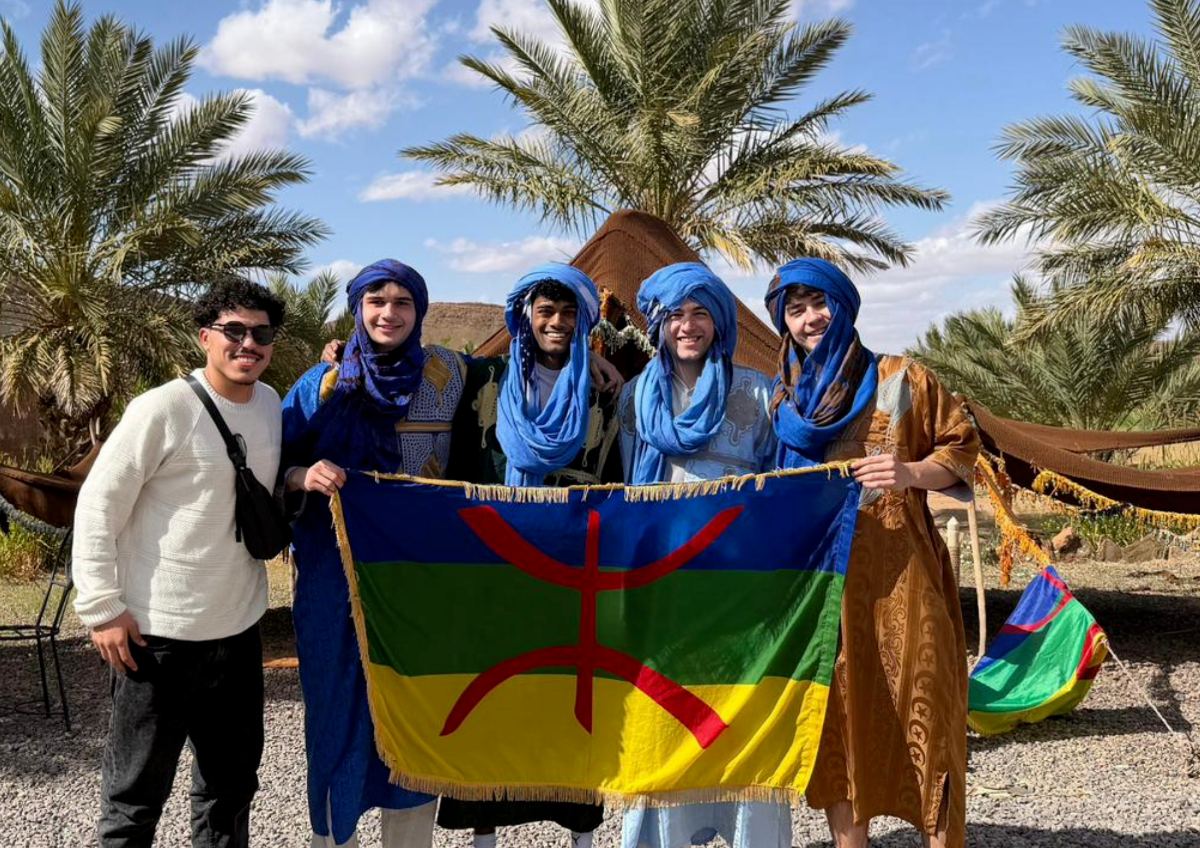
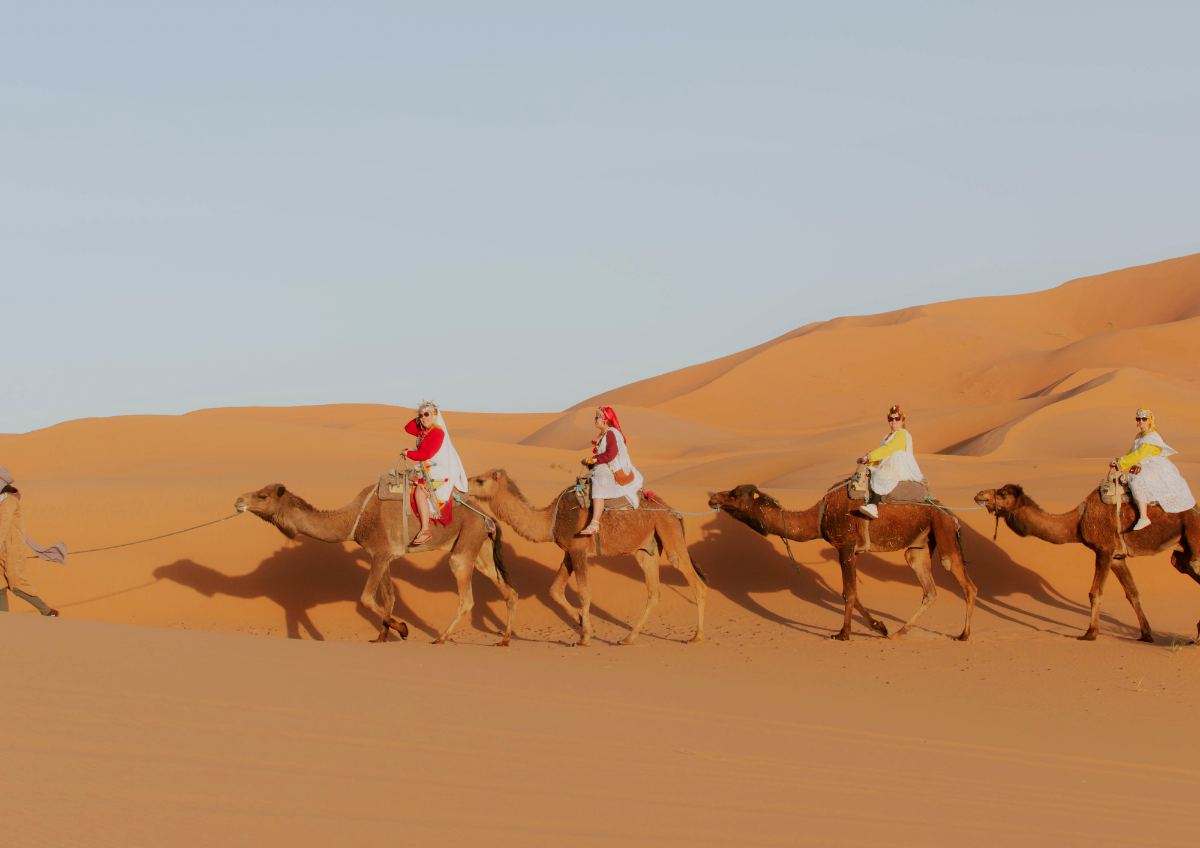
Loose, lightweight, breathable layers work better than heavy single garments. Long-sleeved cotton or linen shirts and trousers protect against sun exposure during the day, and a warm fleece or down layer is essential once temperatures fall after dark, particularly between November and February when desert nights regularly approach freezing. A scarf or shemagh-style wrap is genuinely useful, not just photogenic — it protects the face and neck during windy stretches and the occasional sandstorm. Modest dress is appreciated in rural villages and smaller towns, so swimwear and very short clothing are best reserved for hotel pools and the coast.
Footwear and Sand Protection
Closed, sturdy walking shoes handle the rocky hammada terrain on the approach to the dunes, while a separate pair of sandals or flip-flops makes the actual dune walking and camel trek considerably more comfortable, since sand gets into every shoe regardless of how tightly laced. Gaiters are unnecessary for a standard one or two-night camp visit but worth considering for longer trekking add-ons in the Essaouira — Wikipedia foothills. A dry bag or sealed pouch protects phones and cameras from fine dust that finds its way into every pocket.
Sun, Wind and Skin Protection
High-factor sunscreen, lip balm with SPF, and sunglasses rated for strong glare are non-negotiable; the reflected light off pale sand is more intense than equivalent exposure on a beach. A wide-brimmed hat secured with a strap or chin cord survives the wind on dune ridges far better than a baseball cap. Travellers prone to dry skin often find that desert air, combined with wind, is more drying than expected — a small tube of moisturiser and some lip balm goes a long way over a multi-day 2-Day Zagora Desert Tour from Marrakech.
Practical Extras Worth Bringing
A headtorch is useful at desert camps where lighting is limited after dinner, and a basic power bank covers phone and camera charging away from mains electricity. Reusable water bottles reduce single-use plastic and are easily refilled at camps and riads. Wet wipes and hand sanitiser cover the gap between basic camp washing facilities and a proper shower. A printed or saved copy of your From the Rif Mountains to the Sahara Desert in 8 Days booking confirmation is sensible in case mobile signal drops during the more remote stretches of the drive south.
What to Leave at Home
Heavy hardback books, excess electronics, and an oversized suitcase all become liabilities once luggage is loaded into a 4×4 alongside other travellers’ bags. Valuable jewellery is best left behind entirely, since fine sand works its way into clasps and settings. Most desert camps provide bedding, so a full sleeping bag is unnecessary unless travelling in deep winter; a liner or light blanket is normally sufficient. For a full overview of what each itinerary includes, our 4-Day Sahara Desert Tour: Marrakech to Merzouga page lists accommodation standards by route so packing can be tailored precisely.