10-DAY MOROCCO STUDENT TOUR FROM TANGIER TO MARRAKECH
A well-crafted educational trip does more than tick off famous sites. It challenges assumptions, builds curiosity, and creates learning experiences that stay with students long after they return home. This ten-day Morocco student tour is built with that in mind — a carefully sequenced journey from Tangier in the north to Marrakech in the south, designed for schools, universities, and organised youth groups.
Starting at the Mediterranean gateway between Africa and Europe, the route moves through the blue-painted mountain town of Chefchaouen, the ancient imperial city of Fes, the cedar forests of the Middle Atlas, the dunes of the Sahara, and the historic caravan routes of the south, before arriving in Marrakech for a final day of urban exploration.
The itinerary is structured so that each day introduces a new geographical zone, historical period, or cultural context — geography, history, architecture, environmental science, and social studies are all present in the landscape itself. Students don’t read about Morocco’s diversity; they travel through it.
Tour Highlights:
– Standing at the Strait of Gibraltar in Tangier, where Africa and Europe face each other across a narrow channel
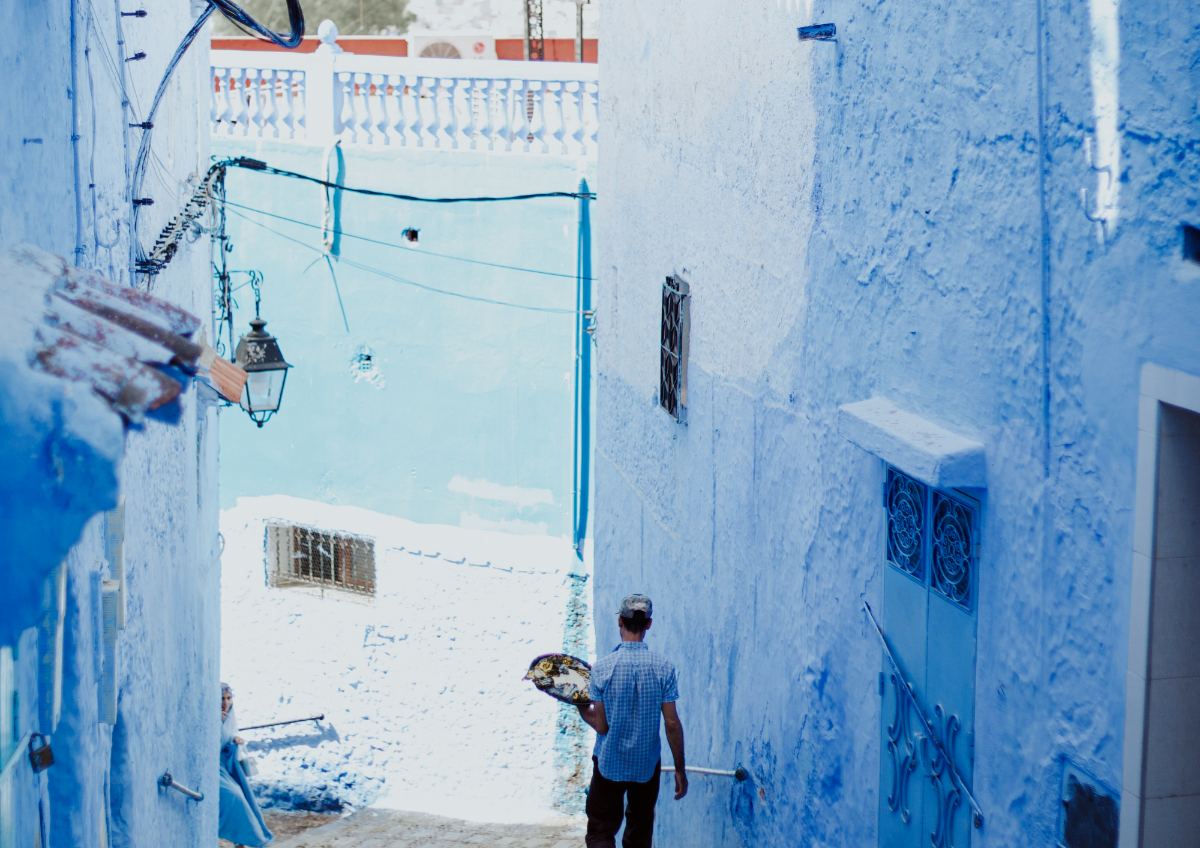
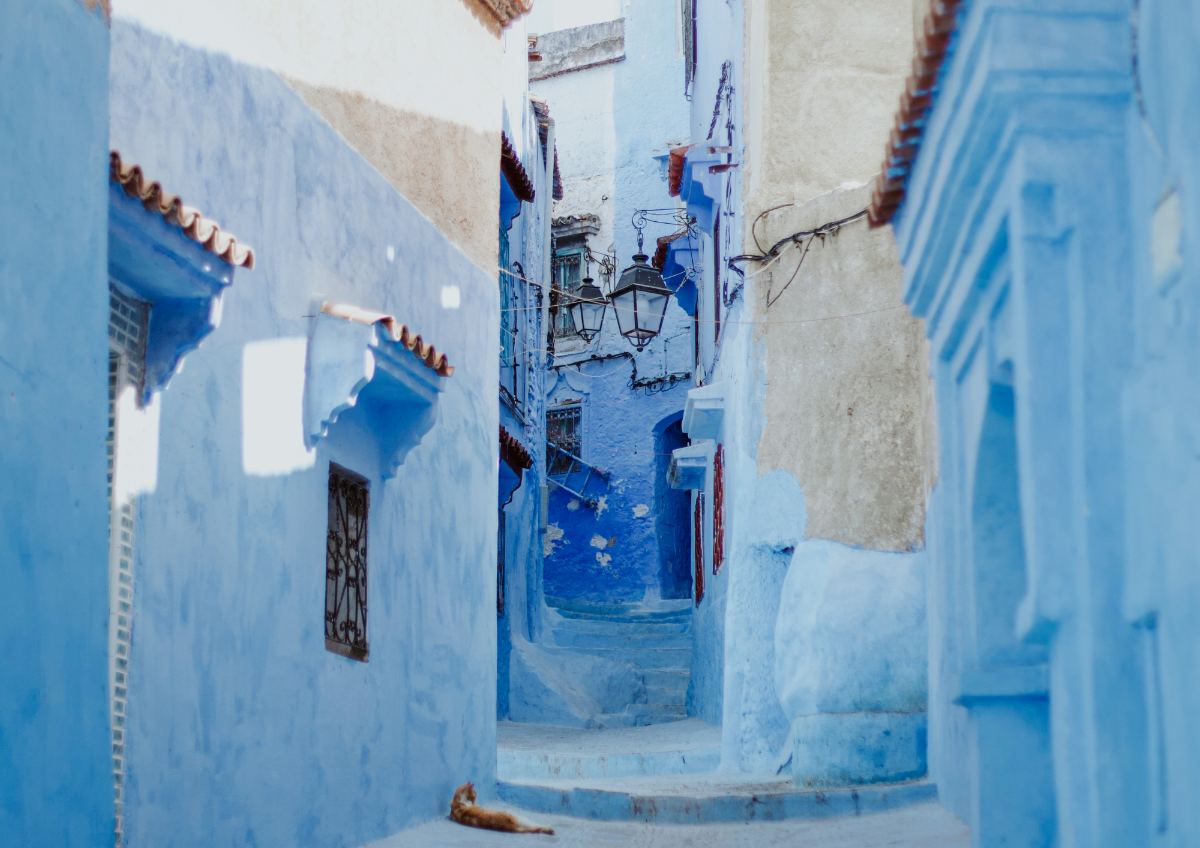
– Exploring the blue medina of Chefchaouen in the Rif Mountains
– Walking the ancient Roman site of Volubilis, a UNESCO World Heritage Site
– A full day in the medina of Fes with a local expert guide, including Al-Qarawiyyin and the Chouara tannery
– Watching the landscape shift from mountain to desert on the drive south through the Ziz Valley
– A visit to a local nomadic family in the Merzouga area
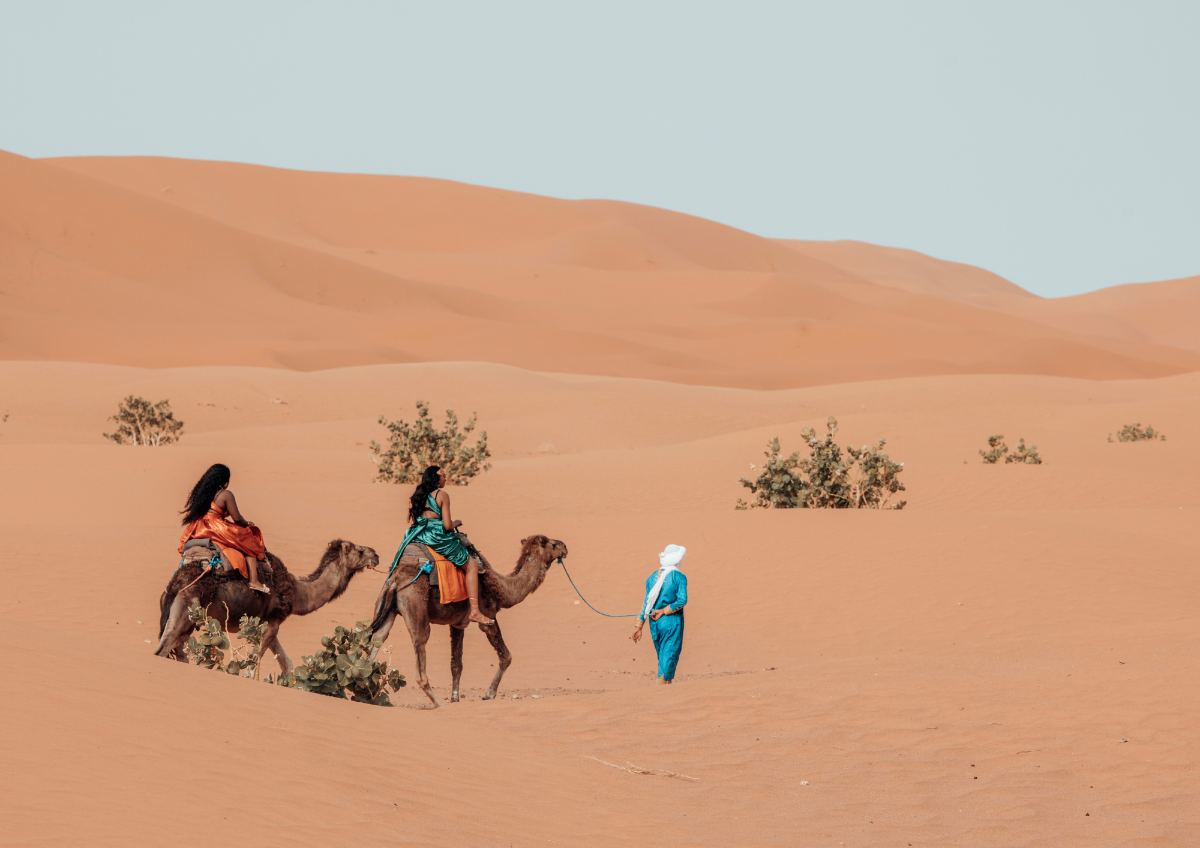
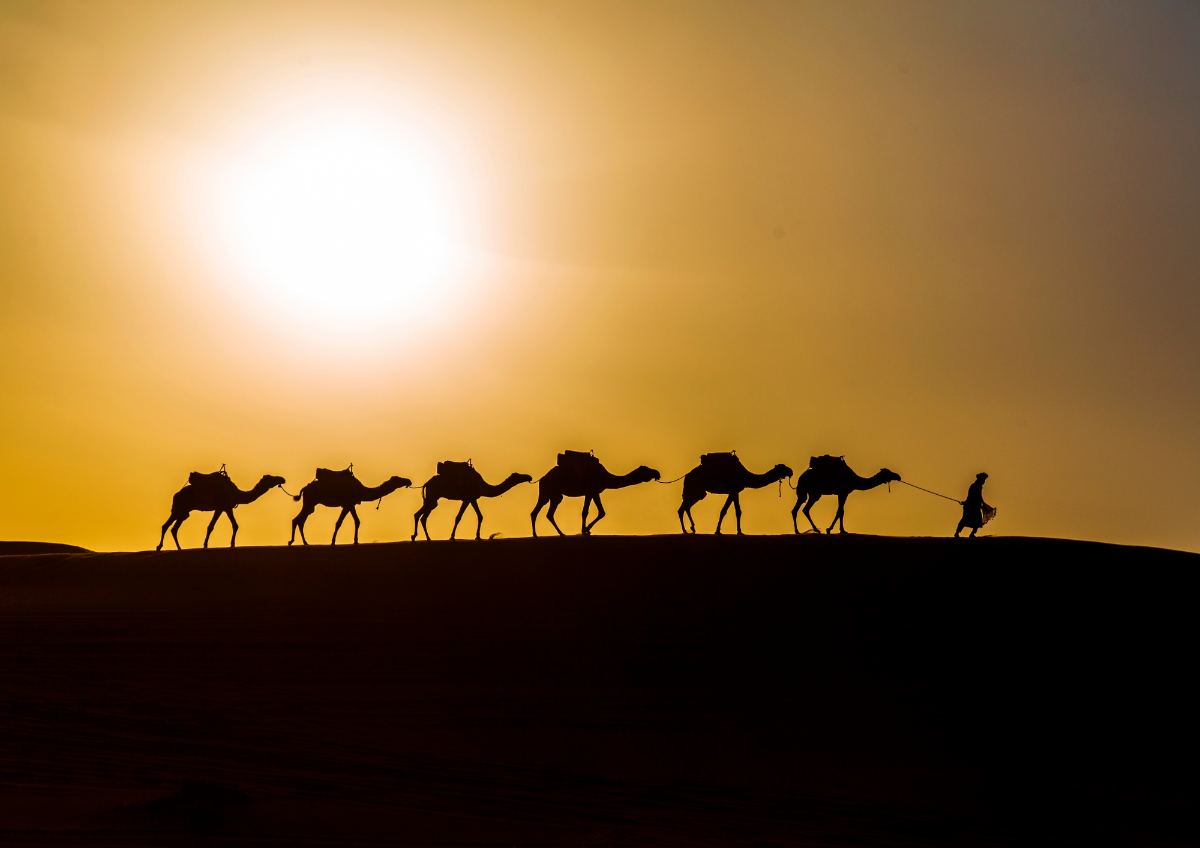
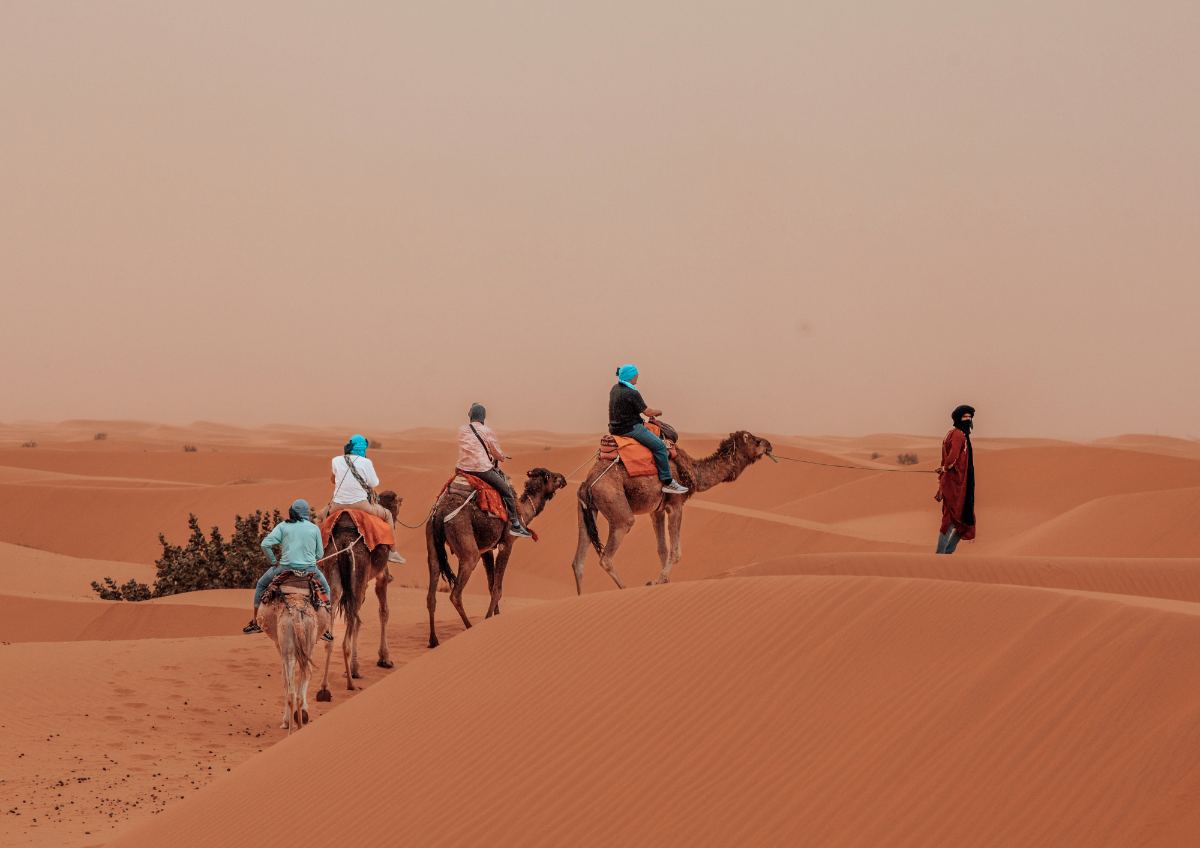
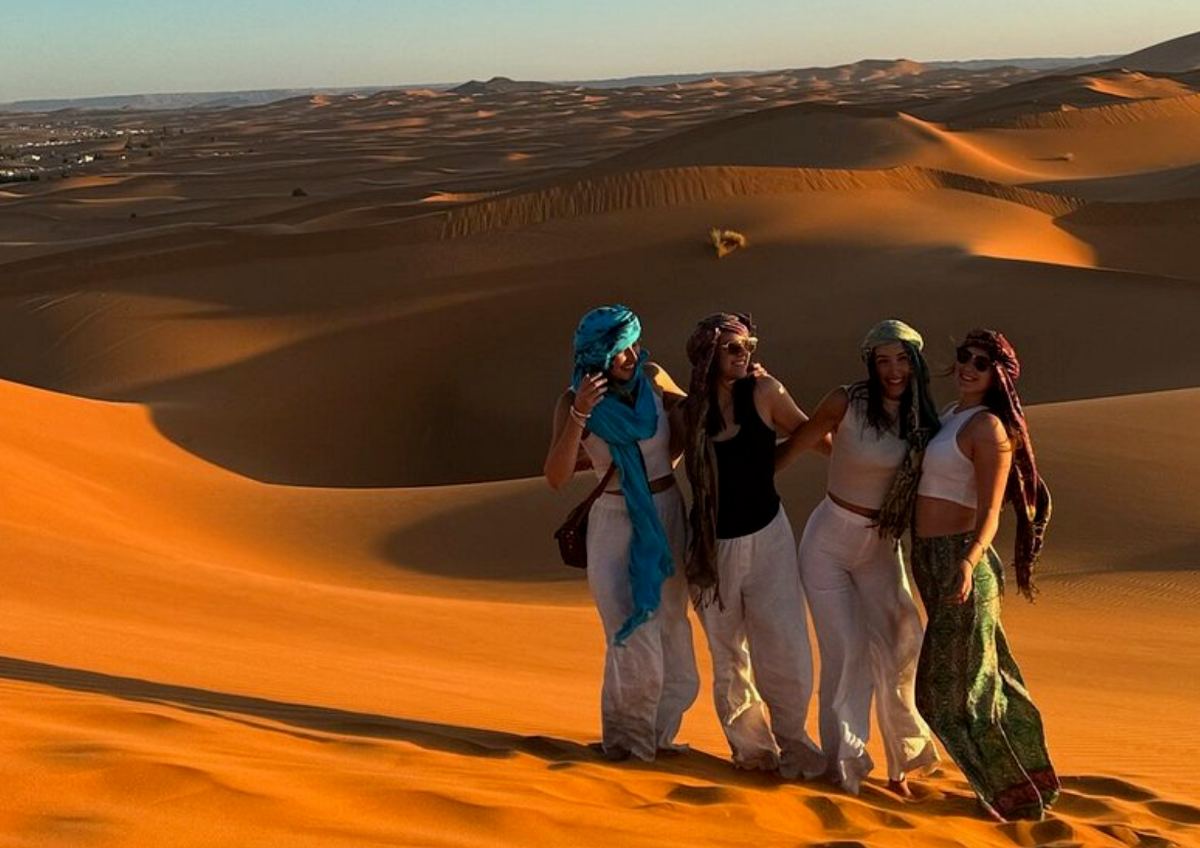
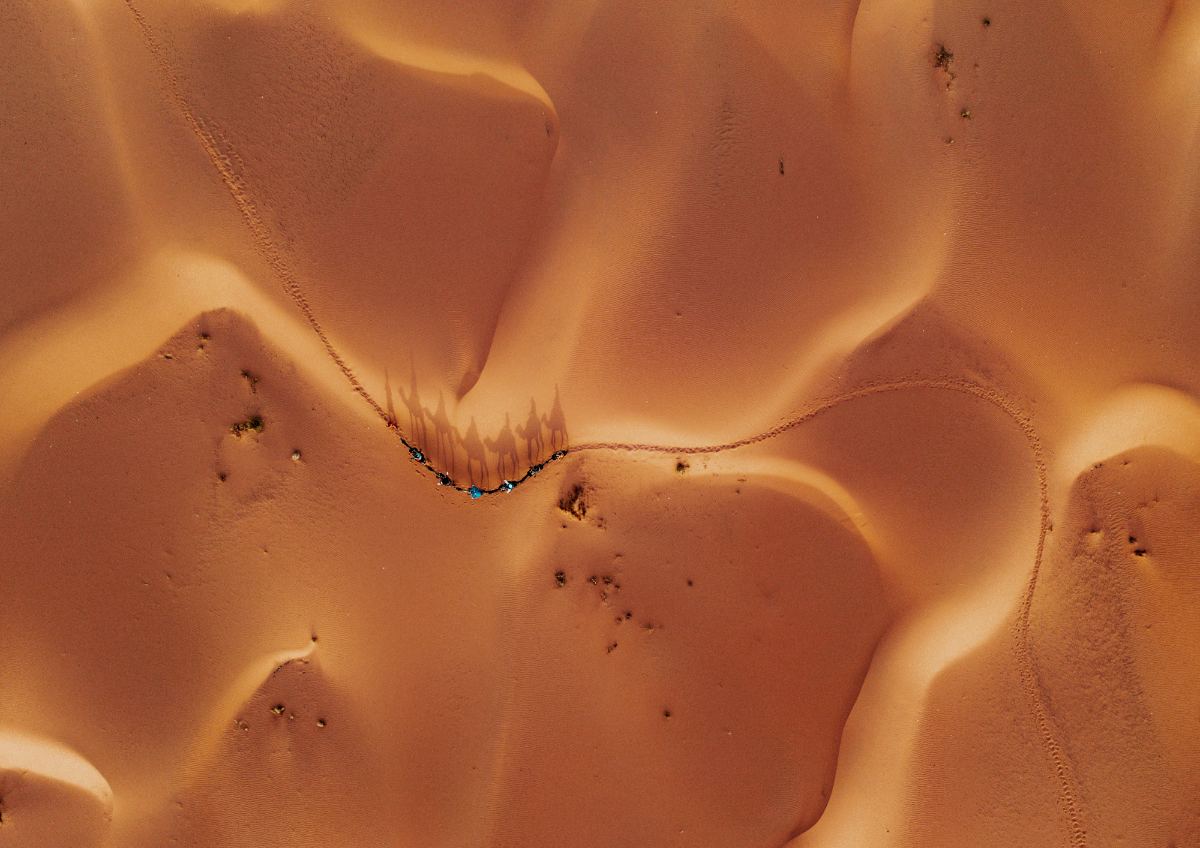
– A sunset camel trek across the Erg Chebbi dunes and a night in a luxury desert camp
– Stargazing in the Sahara, far from any light pollution
– An educational visit to the Gnawa musicians of Khamlia village
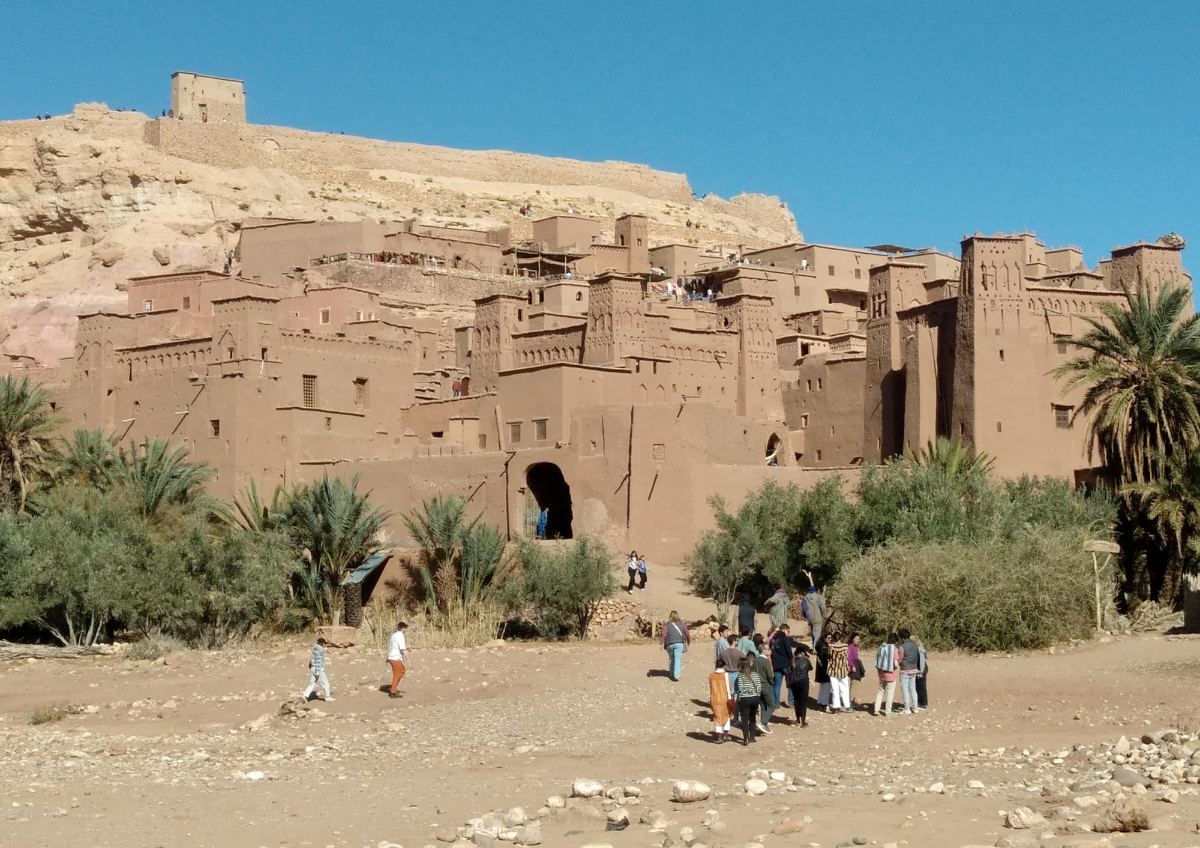
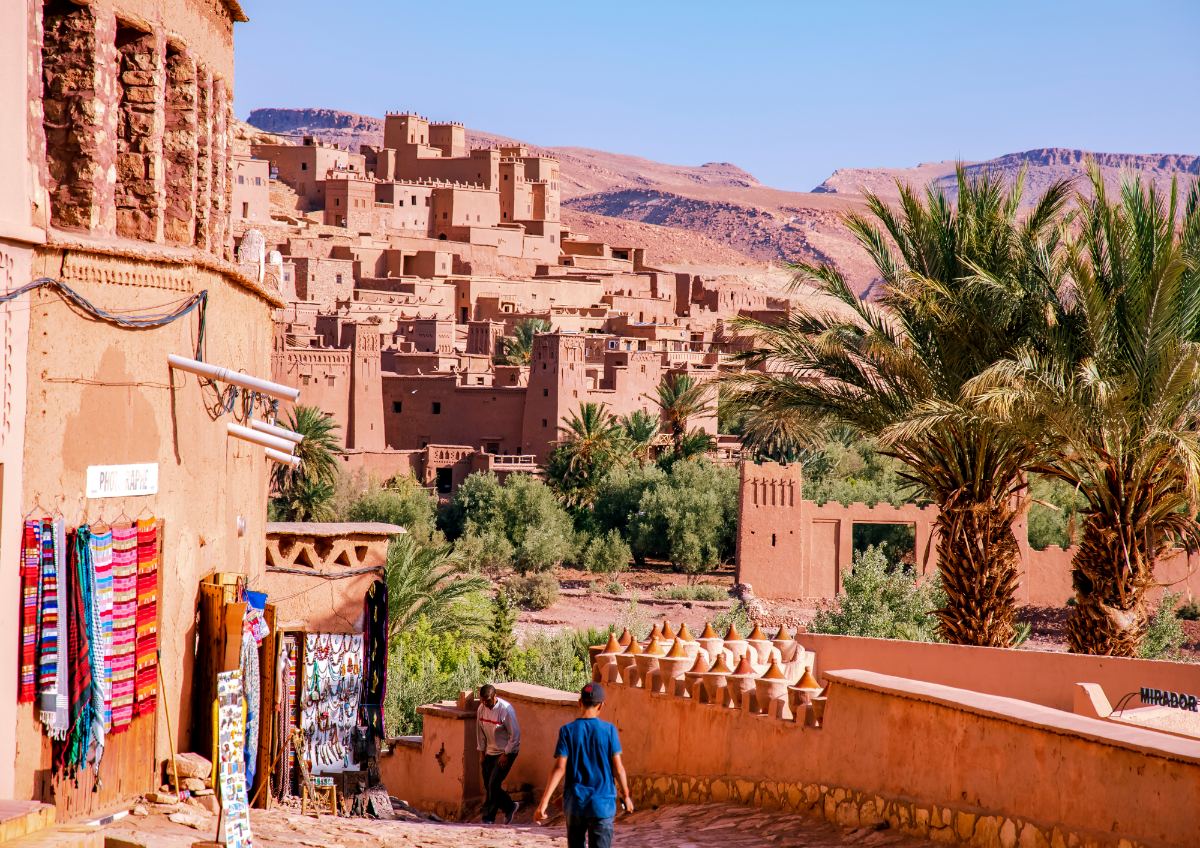
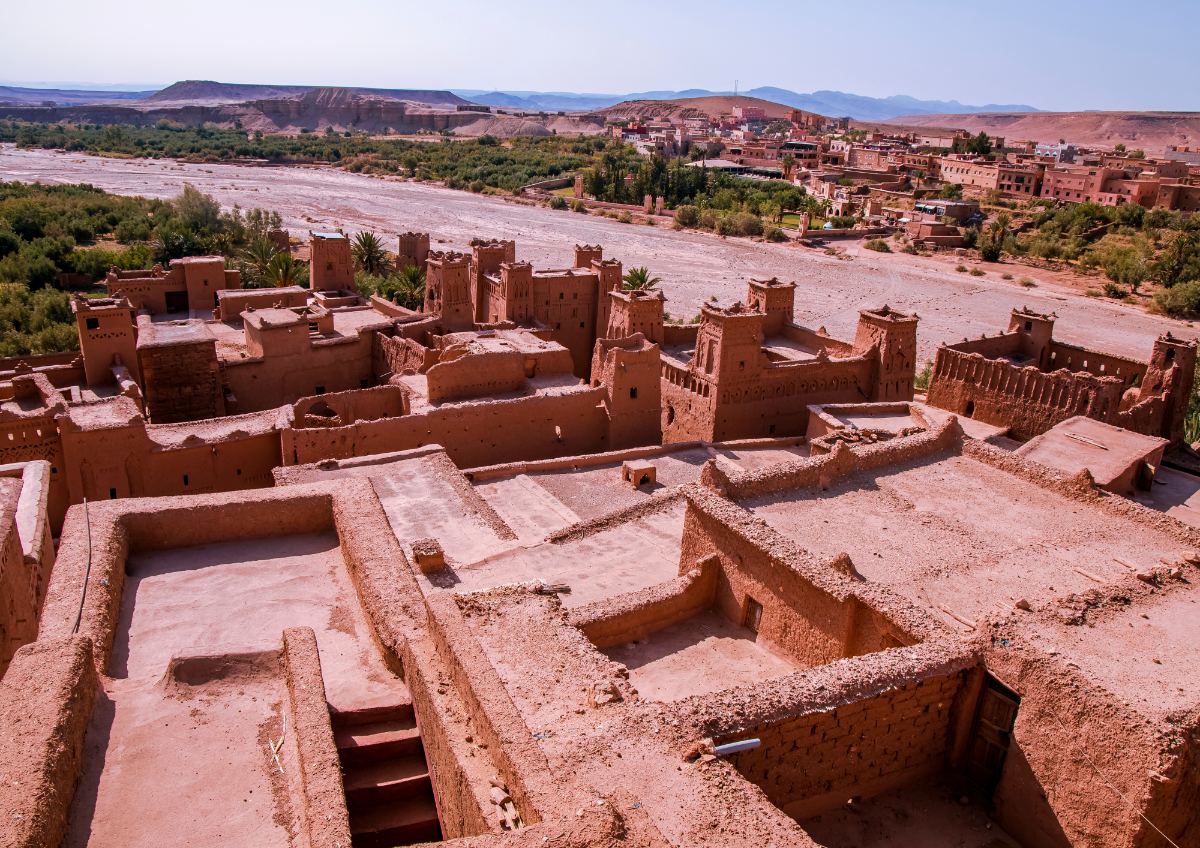
– The UNESCO-listed Aït Ben Haddou Kasbah and its earthen architecture
– Crossing the High Atlas via the Tizi n’Tichka pass at 2,260 metres
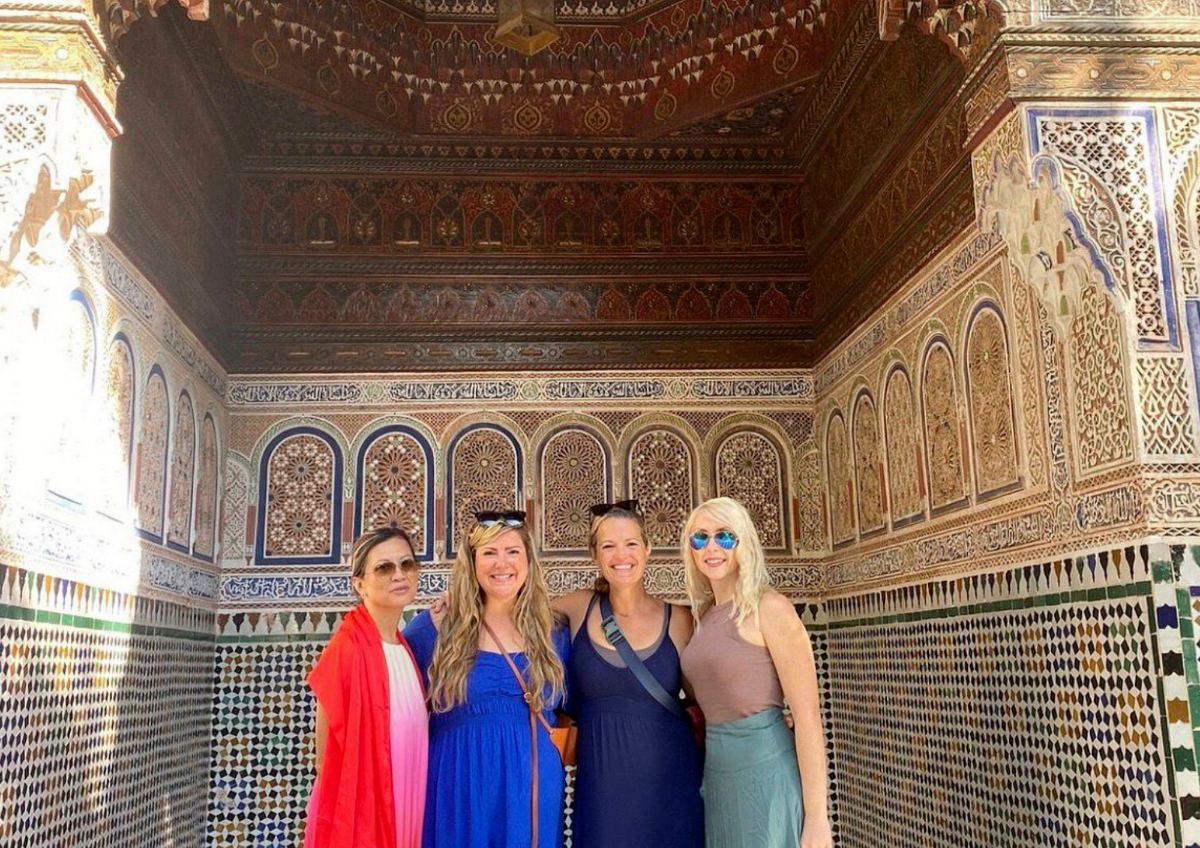
– Bahia Palace, the Saadian Tombs, Koutoubia Mosque, and Jemaa el-Fnaa in Marrakech
We professionally design our Morocco tours to provide a genuinely authentic and unforgettable holiday. Every travel package is entirely flexible and can be customized to match your specific interests, dates, and travel style. Whether you wish to add additional cities, adjust the daily pace, or focus on distinct local activities, our team will modify the itinerary to meet your exact preferences. Enjoy a unique, tailor-made journey to Morocco built solely for you.
DAY 1: ARRIVAL IN TANGIER
The tour begins in Tangier, where the group is met at the port or airport by the tour coordinator and driver and transferred to the hotel. The first session of the trip is an orientation — covering local customs, cultural norms, useful expressions in Arabic and French, and practical travel guidance to help students settle in quickly and get the most out of what follows.
In the afternoon, the group visits the Hercules Caves on the Atlantic coast, where an opening in the rock frames a view of the sea. The site sits at the point where the Atlantic meets the Mediterranean, and a discussion here about the historical significance of the Strait of Gibraltar — as a maritime route, a geopolitical boundary, and a crossing point for cultures and trade — sets up the themes that will run through the rest of the tour.
DAY 2: TANGIER – CHEFCHAOUEN
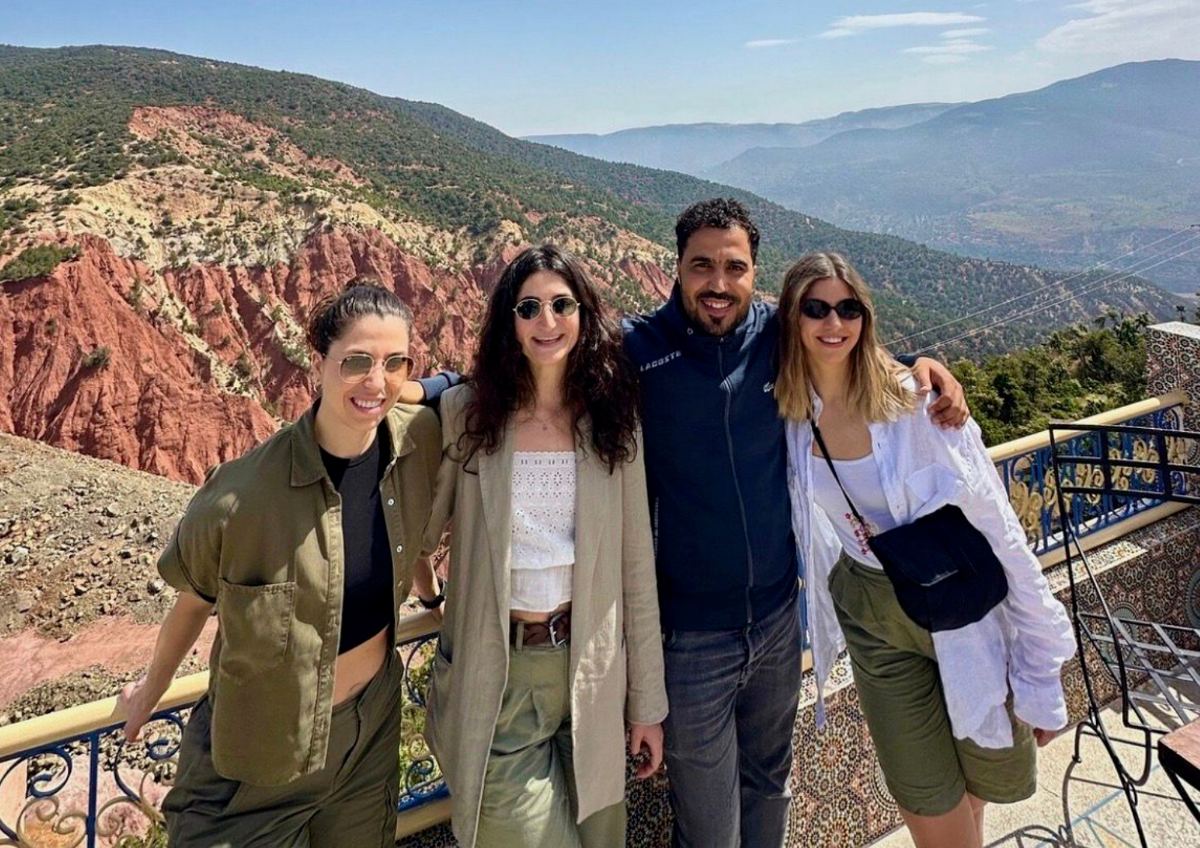
After breakfast, the group leaves Tangier and heads into the Rif Mountains. As the coast drops away and the road climbs, the vegetation and architecture change noticeably — an early opportunity to observe Morocco’s geographical range in motion.
The destination is Chefchaouen, whose medina has been painted in shades of blue for generations, giving the town a look that is immediately recognisable but also genuinely unusual. Walking its lanes, students can explore how the arrival of Andalusian and Jewish communities shaped the town’s architecture, street patterns, and cultural life. The spring at Ras El Ma — which still supplies water to parts of the town — connects the geography of the mountains to the practicalities of settlement. The town’s relaxed, pedestrian-friendly atmosphere makes it well-suited for slow observation and cultural interaction.
DAY 3: CHEFCHAOUEN – VOLUBILIS – MEKNES – FES
The route south passes through the fertile lowlands of northern Morocco before reaching Volubilis, one of the best-preserved Roman sites in Africa and a UNESCO World Heritage Site. The ruins here — temples, triumphal arches, public buildings, and floor mosaics still visible in situ — give a clear picture of Roman urban planning and the organisation of daily life in a provincial city. The site also raises questions about the relationship between Roman settlers and indigenous Berber communities, a dynamic with echoes in Morocco’s later history.
A short stop in Meknes follows, where the Bab Mansour gate offers a first encounter with the architecture of Morocco’s imperial dynasties. By late afternoon, the group arrives in Fes.
DAY 4: A FULL DAY IN FES
The day is given entirely to the medina of Fes el-Bali, one of the most intact medieval city centres anywhere in the world. With a certified local guide leading the way, the group moves through streets that have operated more or less continuously since the ninth century — a living environment where traditional trades, architecture, and daily life coexist with a modern city growing up around them.
The principal stops include the area around Al-Qarawiyyin, recognised as the oldest continuously functioning university on earth, founded in 859 CE by Fatima al-Fihri; the Chouara tannery, where leather is still processed using methods that have changed little in centuries; and workshops belonging to woodcarvers, weavers, and brass workers. The day works as both a history lesson and an exercise in close observation — seeing how a medieval city actually functions rather than reading about it.
DAY 5: FES – IFRANE – AZROU CEDAR FOREST – ZIZ VALLEY – MERZOUGA
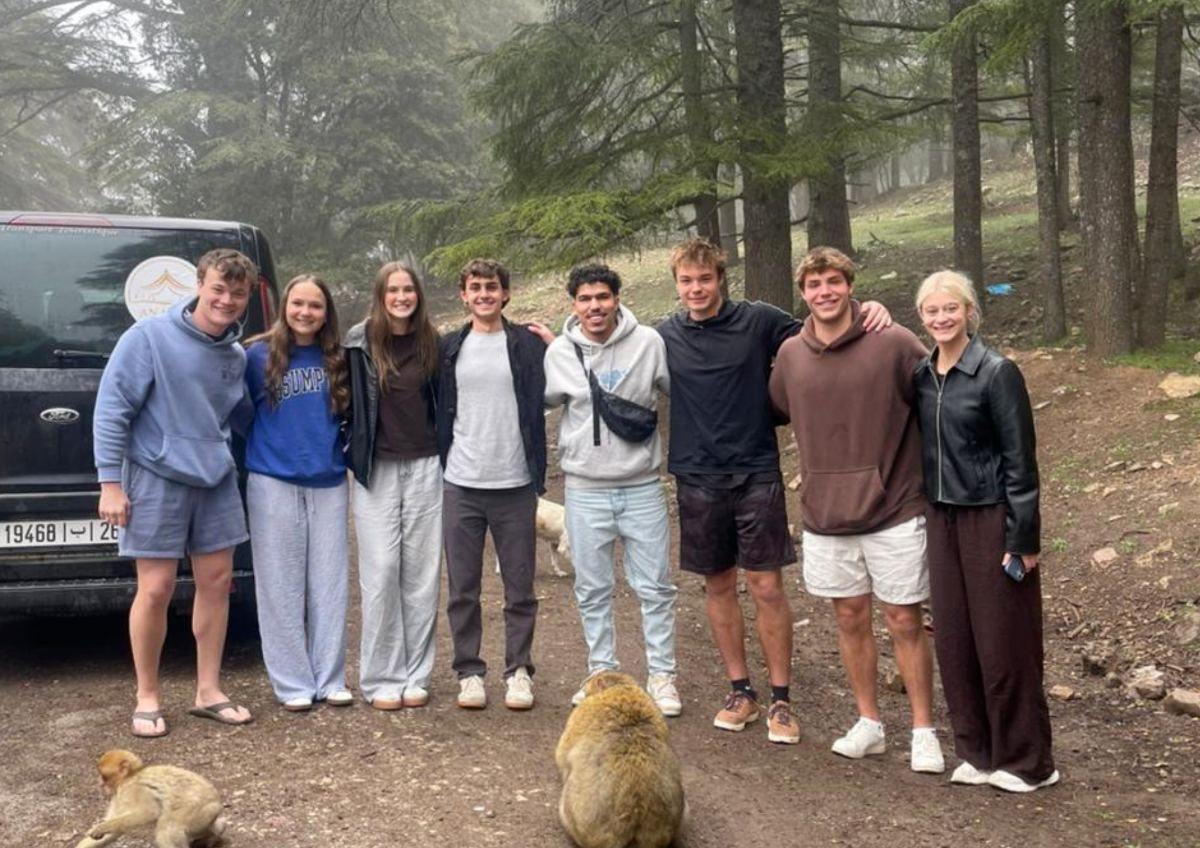
One of the most varied driving days of the tour, covering terrain that shifts from alpine forest to open desert in a single afternoon. The first stop is Ifrane, a small town in the Middle Atlas whose European-influenced architecture and cool climate stand at odds with most people’s image of Morocco. From there, the route continues to the cedar forests around Azrou, where Barbary macaques live in the trees and along the roadside — an opportunity to discuss biodiversity, endemic species, and conservation in Morocco’s mountain ecosystems.
Heading further south, the Ziz Valley opens out — a long corridor of palm groves threading through an otherwise arid landscape, fed by the Ziz River. The relationship between water, settlement, and agriculture in this environment becomes visible as the road passes through the valley. By late afternoon, the dunes of Erg Chebbi appear on the horizon, and the group arrives in Merzouga.
DAY 6: MERZOUGA – SAHARA FIELD STUDY – KHAMLIA – CAMEL TREK
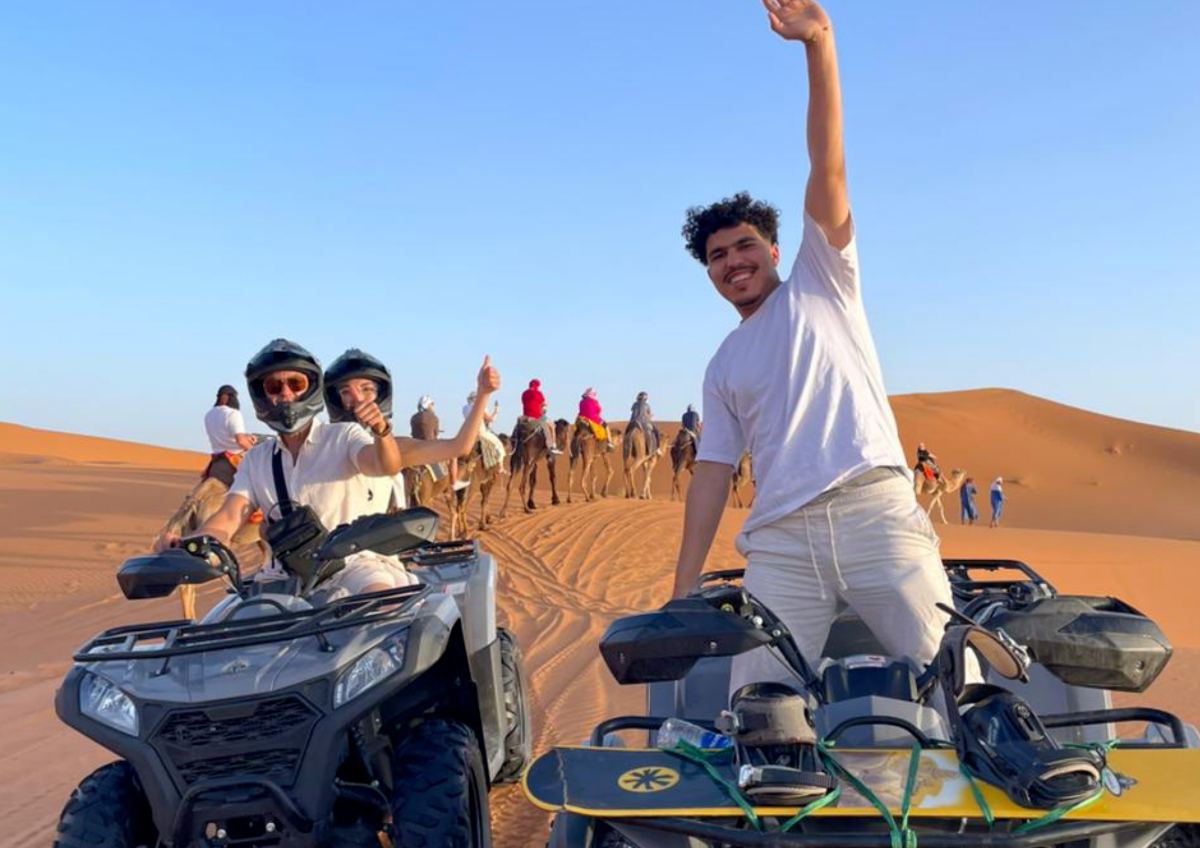
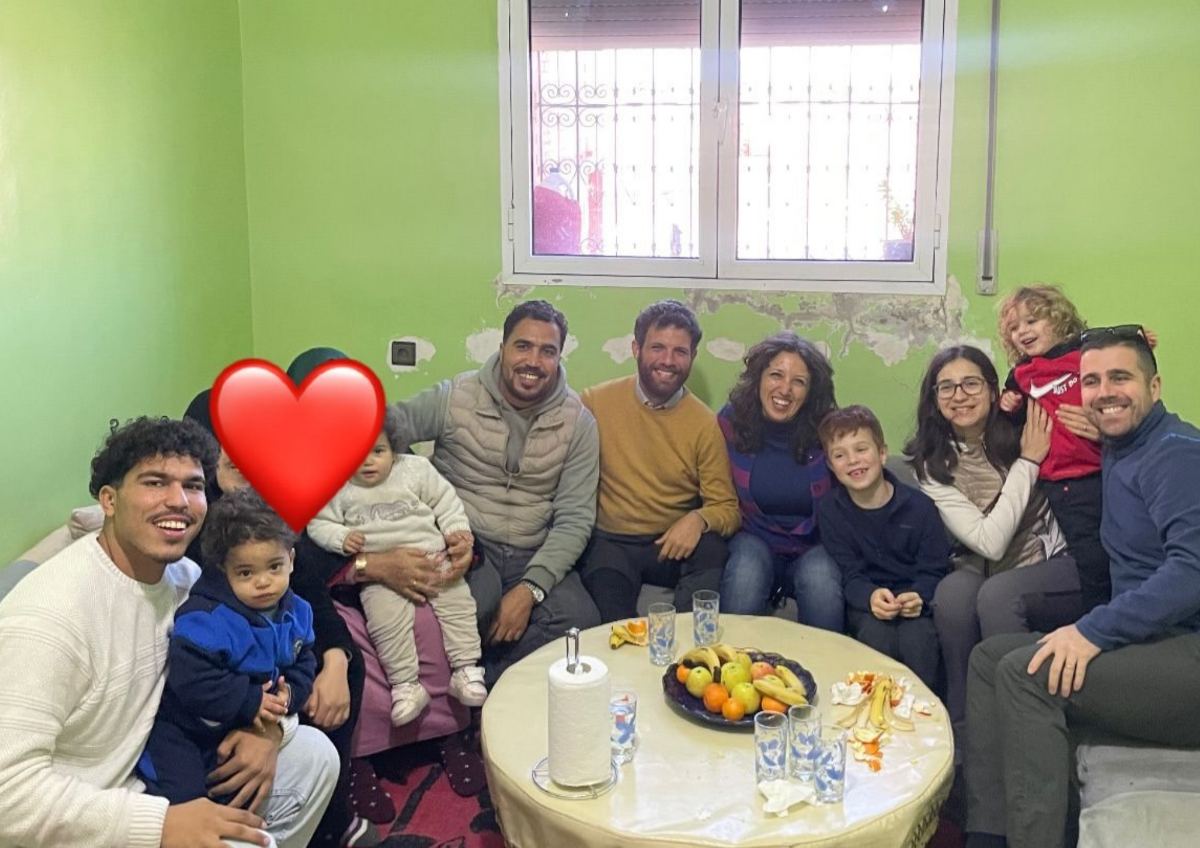
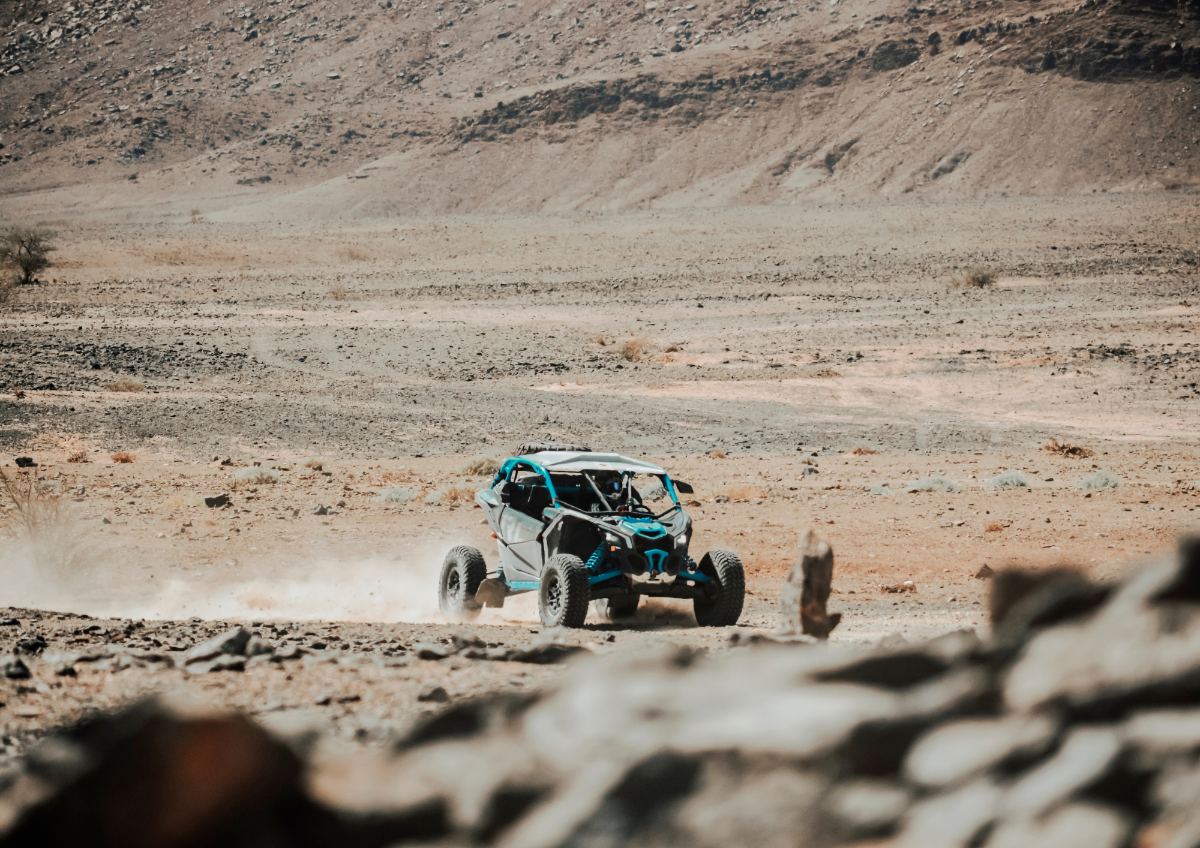
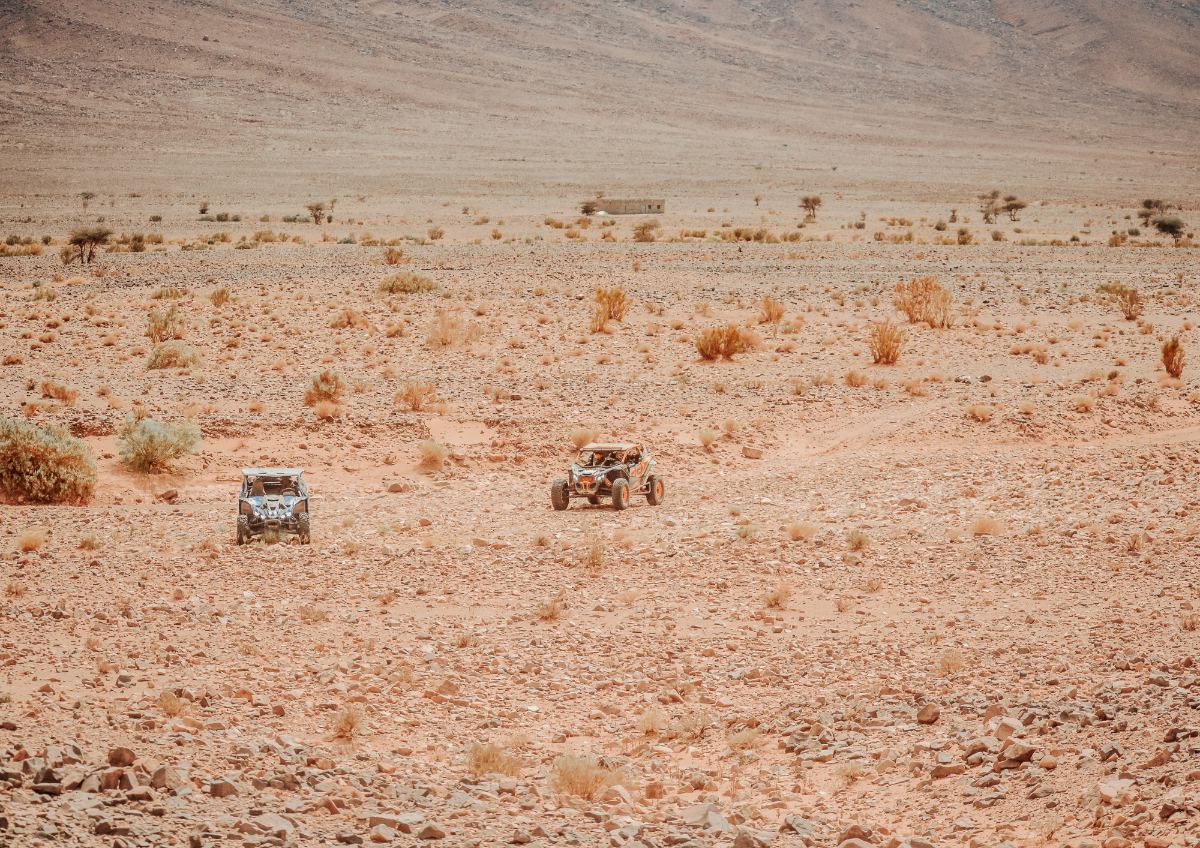
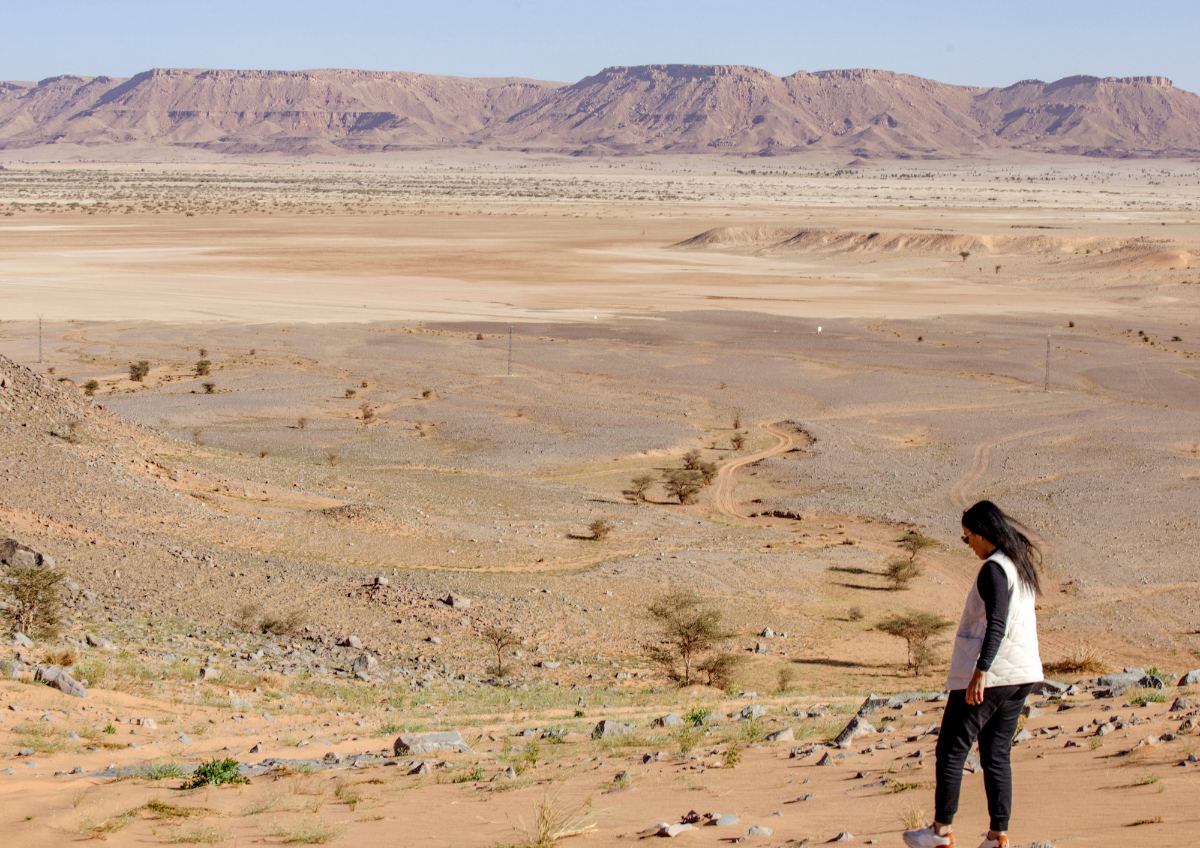
An early wake-up to watch the sunrise over the dunes before breakfast at the camp. The morning is spent on a 4×4 excursion into the desert to visit a local nomadic family, giving students a direct encounter with the way of life, resource management, and daily routines of communities who live in and around the Sahara. Topics that can be explored here include water scarcity, desertification, cultural adaptation, and the challenges facing nomadic populations across North Africa.
In the afternoon, the group visits Khamlia, a small village with a strong Gnawa musical tradition. A live performance of the rhythmic, percussion-led music rooted in this community’s sub-Saharan heritage provides a tangible example of cultural diversity within Morocco itself.
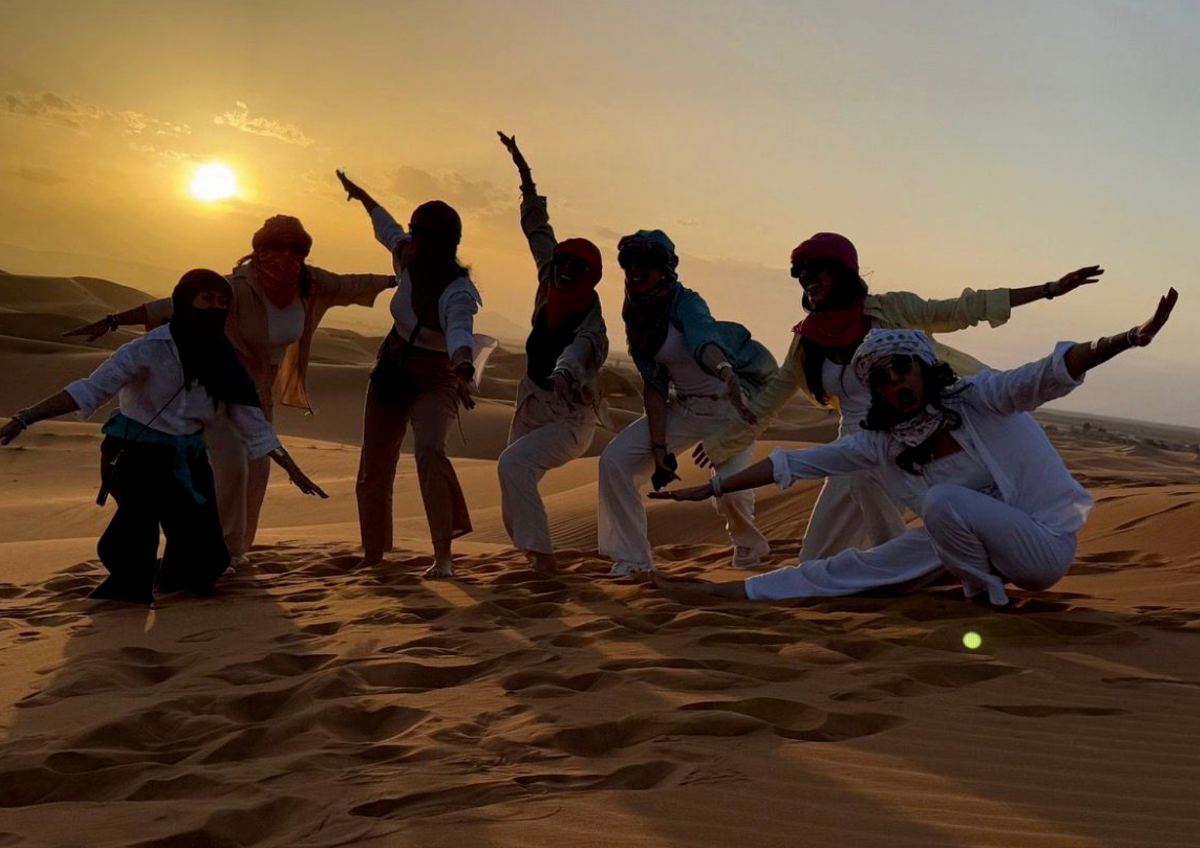
As the light softens, the group sets off on a camel trek into the dunes for sunset. The camp provides dinner, music around the fire, and — under clear desert skies with no light pollution — an unusually good opportunity for informal stargazing.
DAY 7: MERZOUGA – TODRA GORGE – DADES VALLEY
After sunrise and breakfast, the tour heads west into the landscapes of southern Morocco. The first major stop is the Todra Gorge, where the river has cut down through the limestone plateau to create a canyon whose walls rise to around 300 metres. Walking the gorge floor, students can observe the erosion processes responsible for the landscape and examine the small-scale oasis farming that has developed along the river — traditional irrigation channels supporting date palms and vegetable gardens in the narrow strip of land between the cliffs.
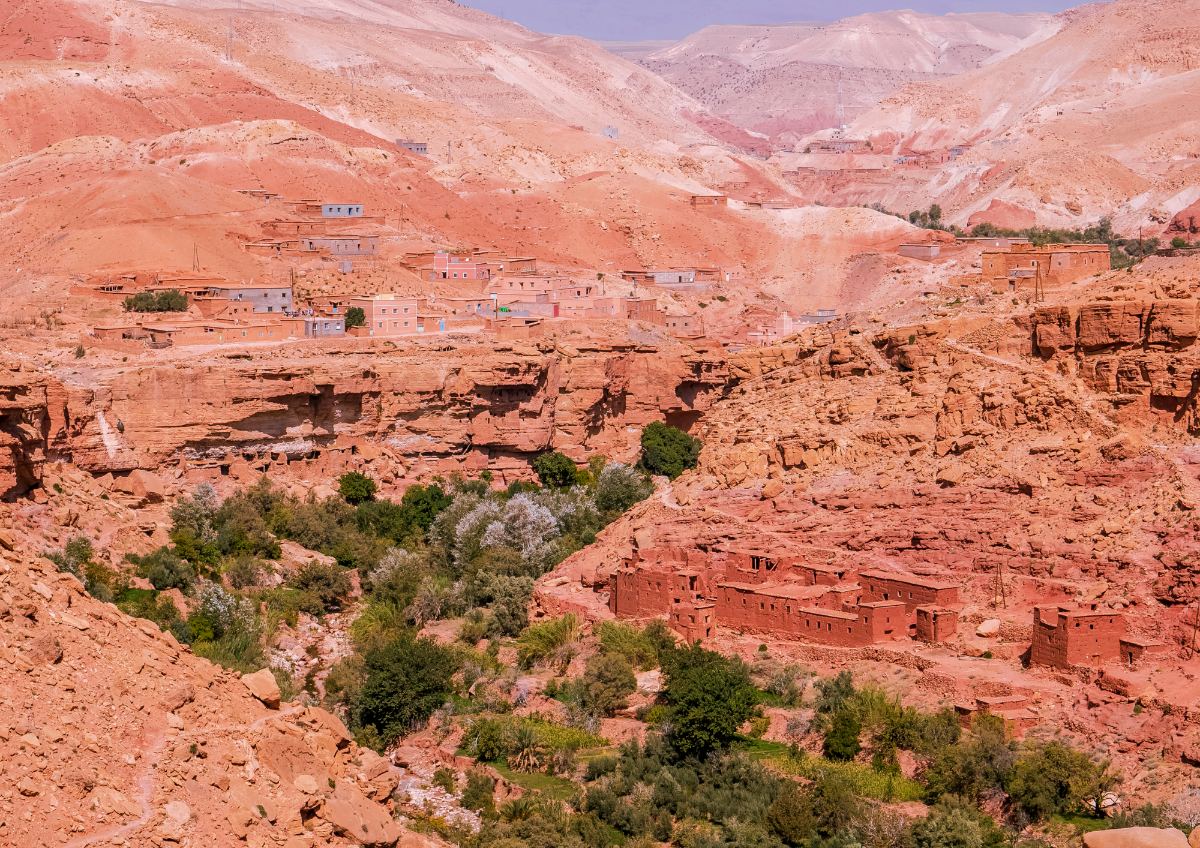
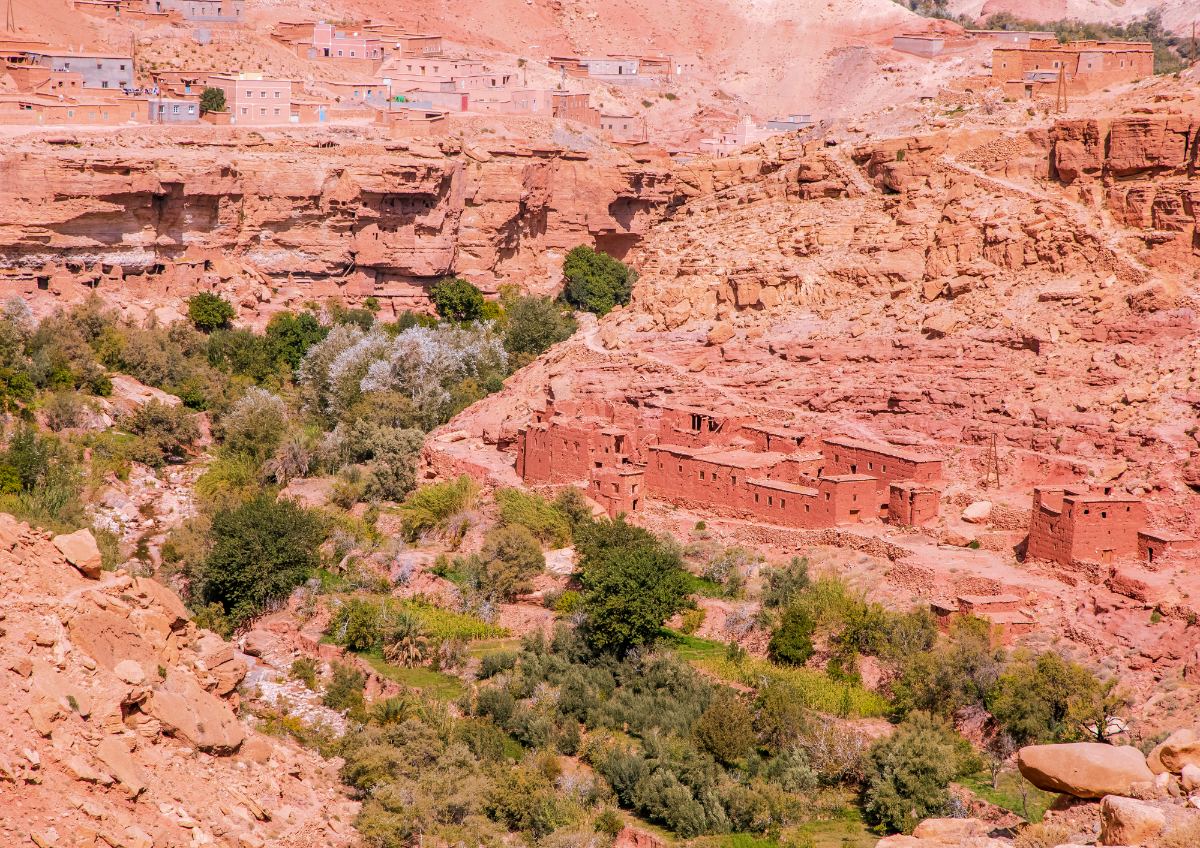
The afternoon continues through the Dades Valley, passing ancient kasbahs, Berber villages, and unusual rock formations before arriving at the night’s hotel.
DAY 8: DADES VALLEY – AÏT BEN HADDOU – MARRAKECH
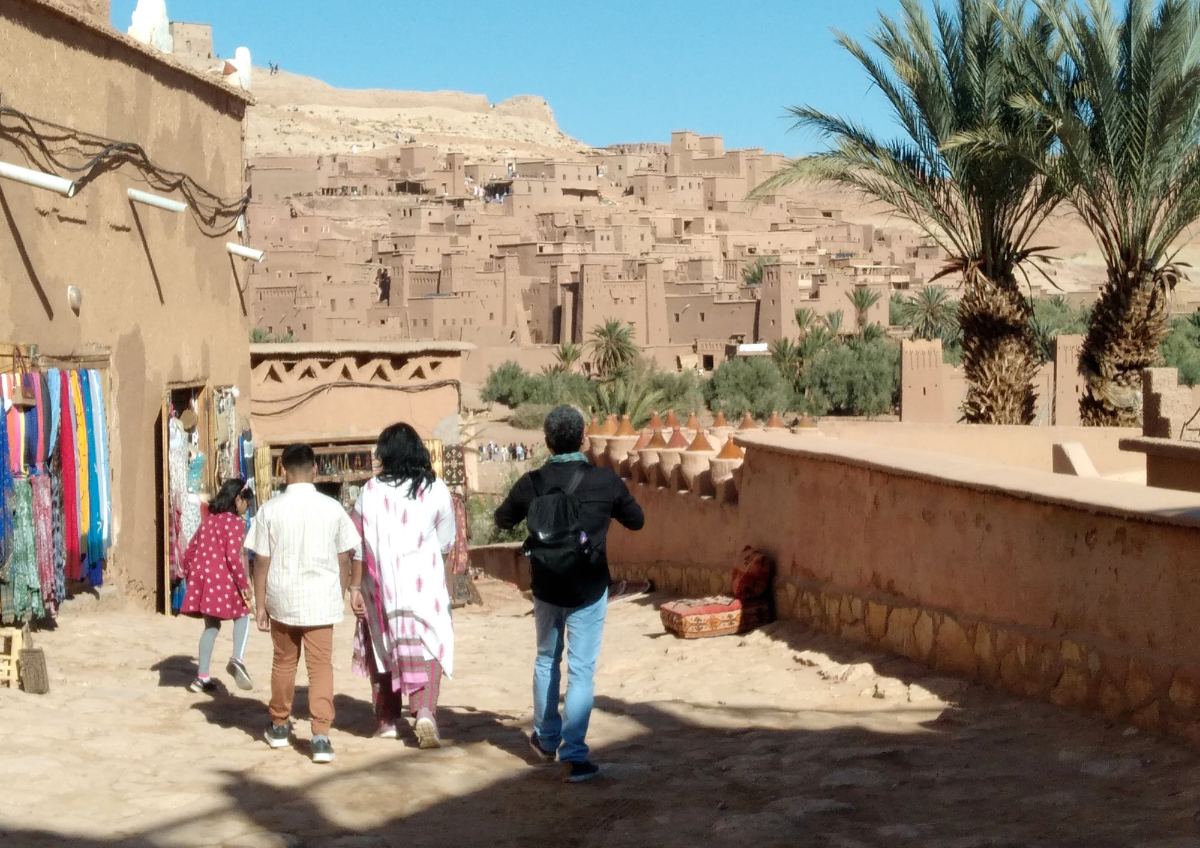
The morning follows the historic caravan routes westward to Aït Ben Haddou, the UNESCO-listed fortified village (ksar) that stands as one of the finest surviving examples of southern Moroccan earthen architecture. Built from compacted earth, straw, and timber, the structure demonstrates how building materials drawn directly from the local environment can produce buildings that regulate temperature naturally, resist seasonal flooding, and last for centuries with appropriate maintenance. The site has also become well known internationally through its use as a film location, which raises its own questions about heritage, conservation, and the pressures of tourism.
After Aït Ben Haddou, the route crosses the High Atlas via the Tizi n’Tichka pass, climbing to 2,260 metres through a series of switchbacks with mountain views on both sides. The descent brings the group into the Marrakech plain by early evening.
DAY 9: MARRAKECH CITY TOUR
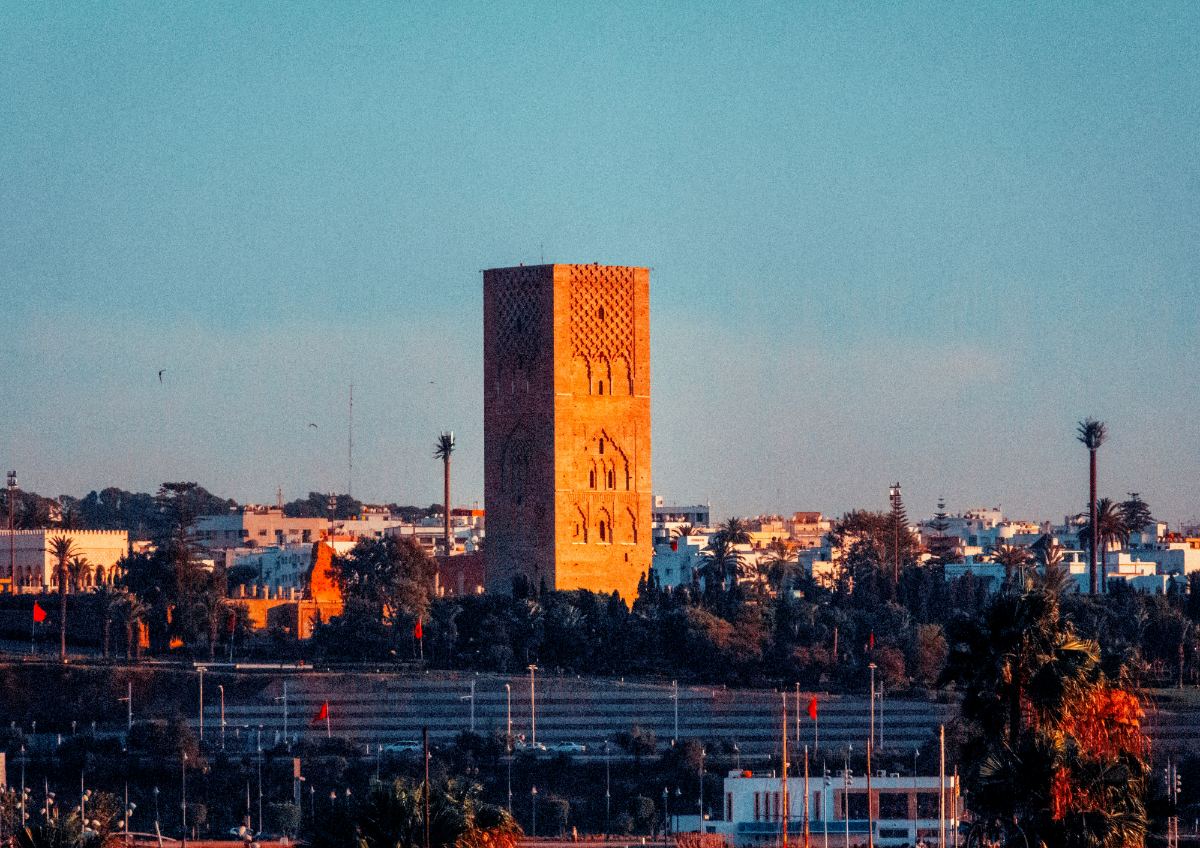
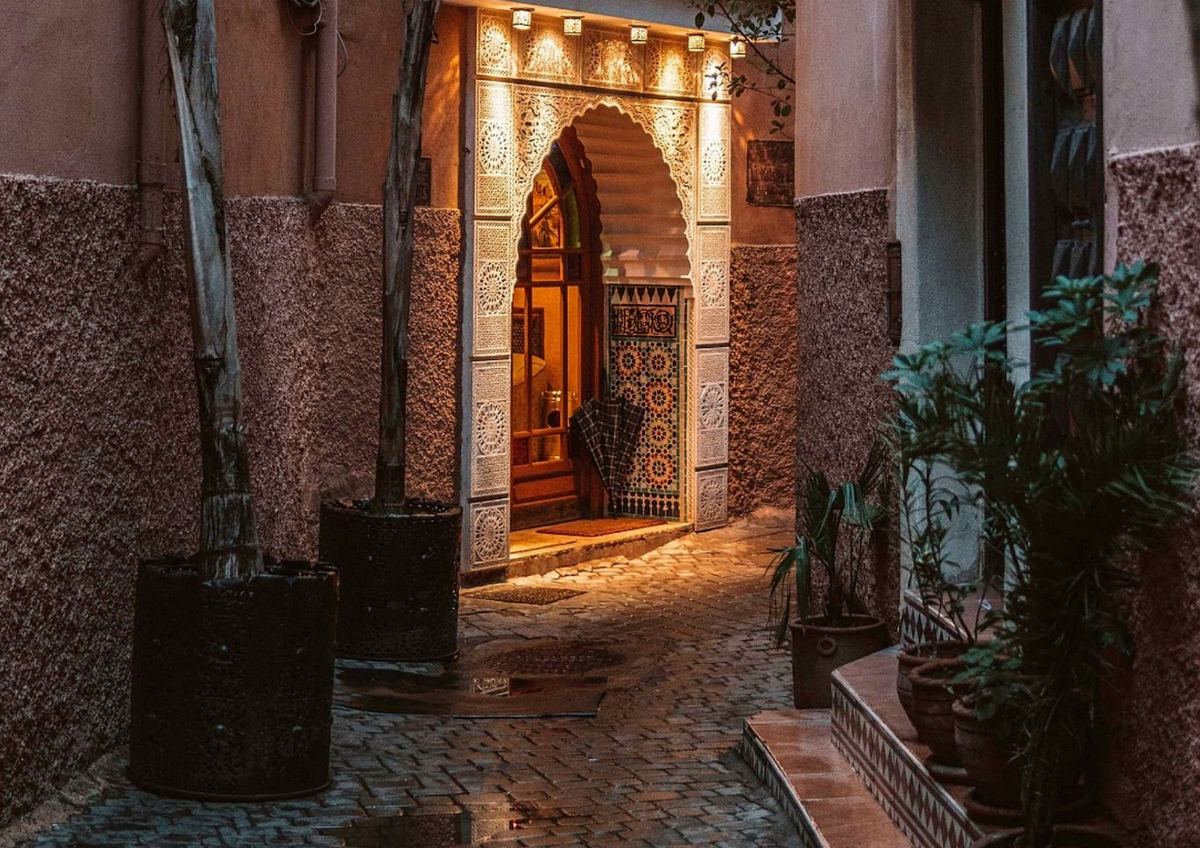
A full day exploring Marrakech, led by a local guide. The morning covers the main historic monuments: Bahia Palace, built for a nineteenth-century grand vizier and decorated with some of the finest zellige tilework and carved cedar in the country; the Saadian Tombs, a sixteenth-century royal necropolis hidden behind the Kasbah Mosque and only rediscovered in 1917; and the Koutoubia Mosque, the twelfth-century minaret that remains the defining landmark of the city’s skyline.
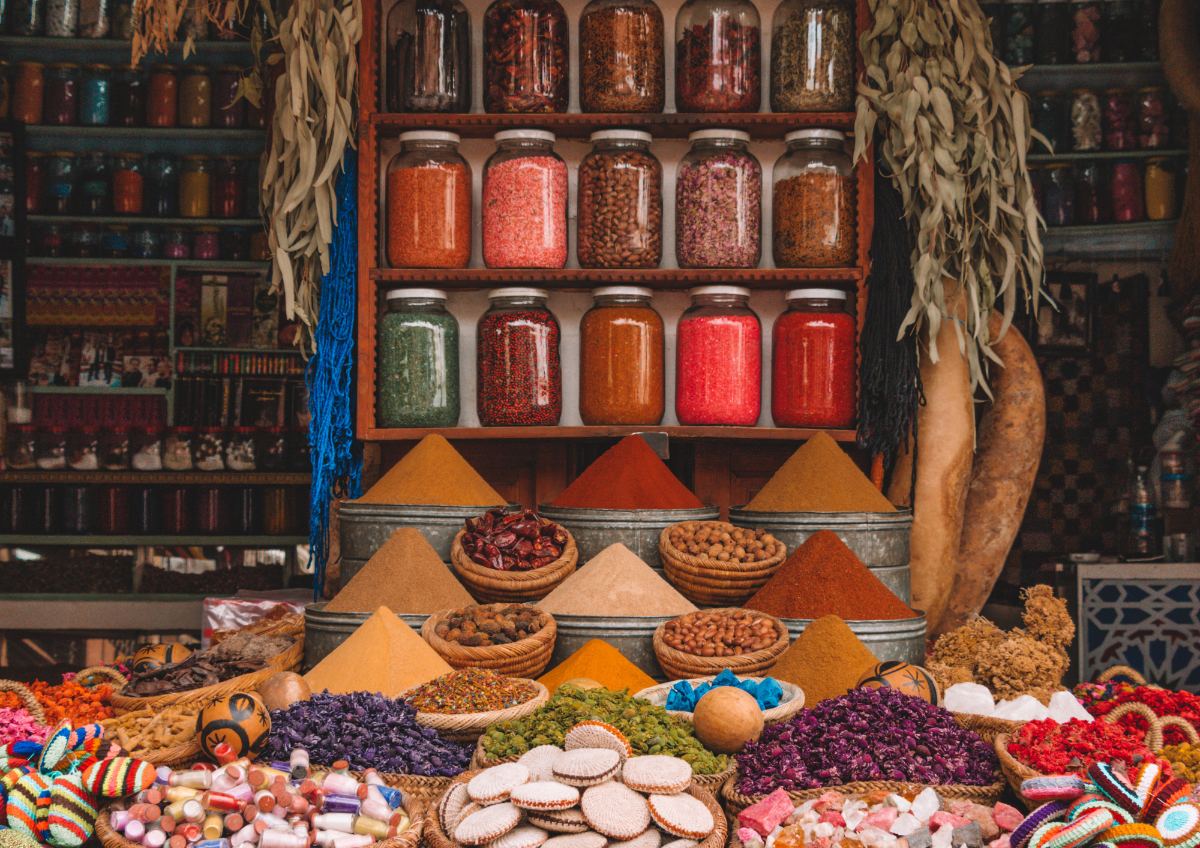
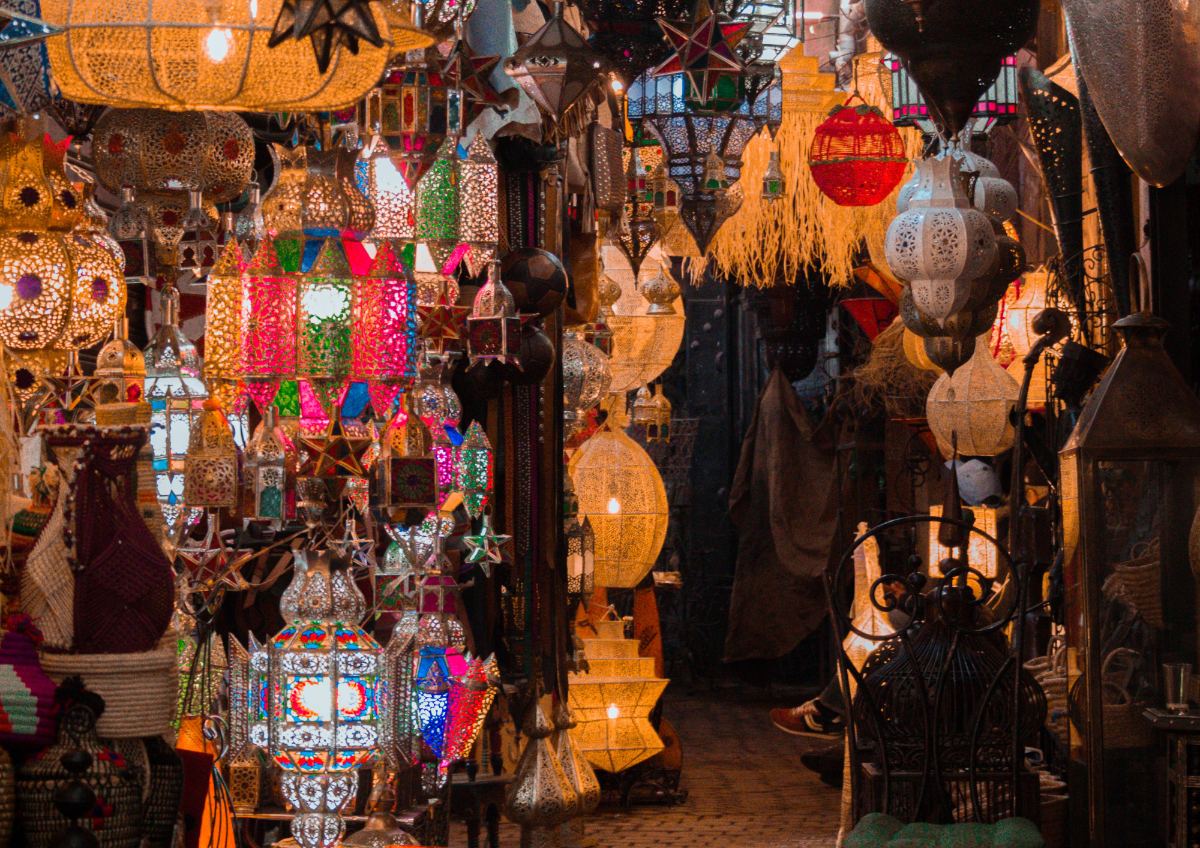
The afternoon moves through the medina’s souks — separated by trade, so that dyers, leather workers, spice sellers, carpenters, and weavers each occupy their own quarter. The labyrinthine layout and the density of small family businesses here make the souk a practical example of a traditional urban economy still operating within a living city.
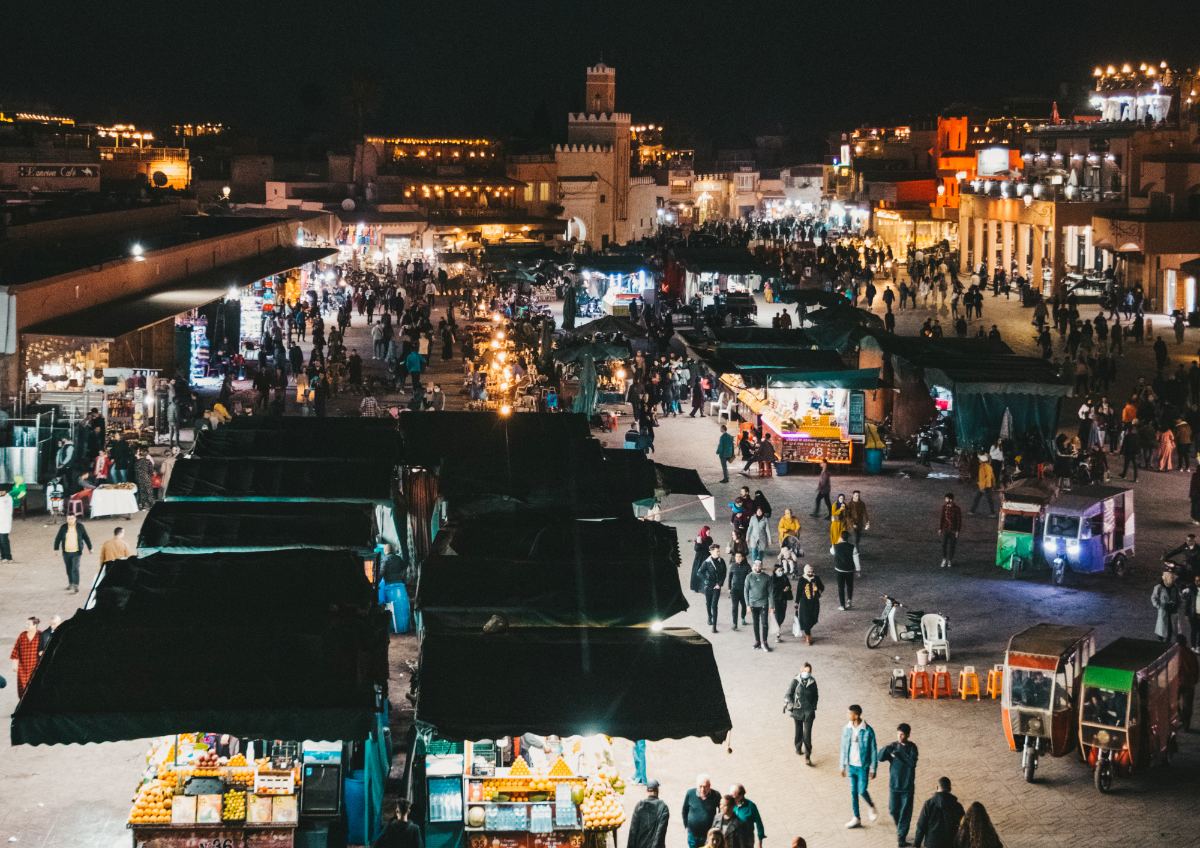
The evening is spent at Jemaa el-Fnaa, the central square of Marrakech and a UNESCO-recognised example of intangible cultural heritage. As darkness falls, the square fills with food stalls, musicians, storytellers, acrobats, and henna artists — a continuation of traditions that have made this one of the most active public spaces in Africa for centuries.
DAY 10: DEPARTURE FROM MARRAKECH
The final morning allows time for a group reflection session — reviewing the experiences, observations, and questions that emerged across the ten days. The journey has covered Roman archaeology, medieval urbanism, mountain ecology, desert science, traditional architecture, nomadic culture, and oral tradition; bringing those threads together before departure gives students a framework to carry back into their studies.
At the appropriate time, the group transfers to Marrakech Menara Airport for departure.
PLACES VISITED
AL-QARAWIYYIN UNIVERSITY – FES
Founded in 859 CE by Fatima al-Fihri, Al-Qarawiyyin is the oldest continuously functioning university in the world. Its courtyards, carved cedar woodwork, and zellige tilework reflect more than a thousand years of scholarship and artistic tradition. For students of history, education, architecture, or religion, the institution and its role in the transmission of knowledge across the Islamic world makes for a genuinely significant site.
CHEFCHAOUEN MEDINA
The blue-painted medina of Chefchaouen sits in a natural bowl between two peaks of the Rif Mountains. Its distinctive appearance is the product of the Andalusian and Jewish communities who settled here in the fifteenth and sixteenth centuries, and whose influence on the town’s architecture, traditions, and layout remains visible today. It is an unusually clear example of how migration shapes urban identity.
ERG CHEBBI DUNES – MERZOUGA
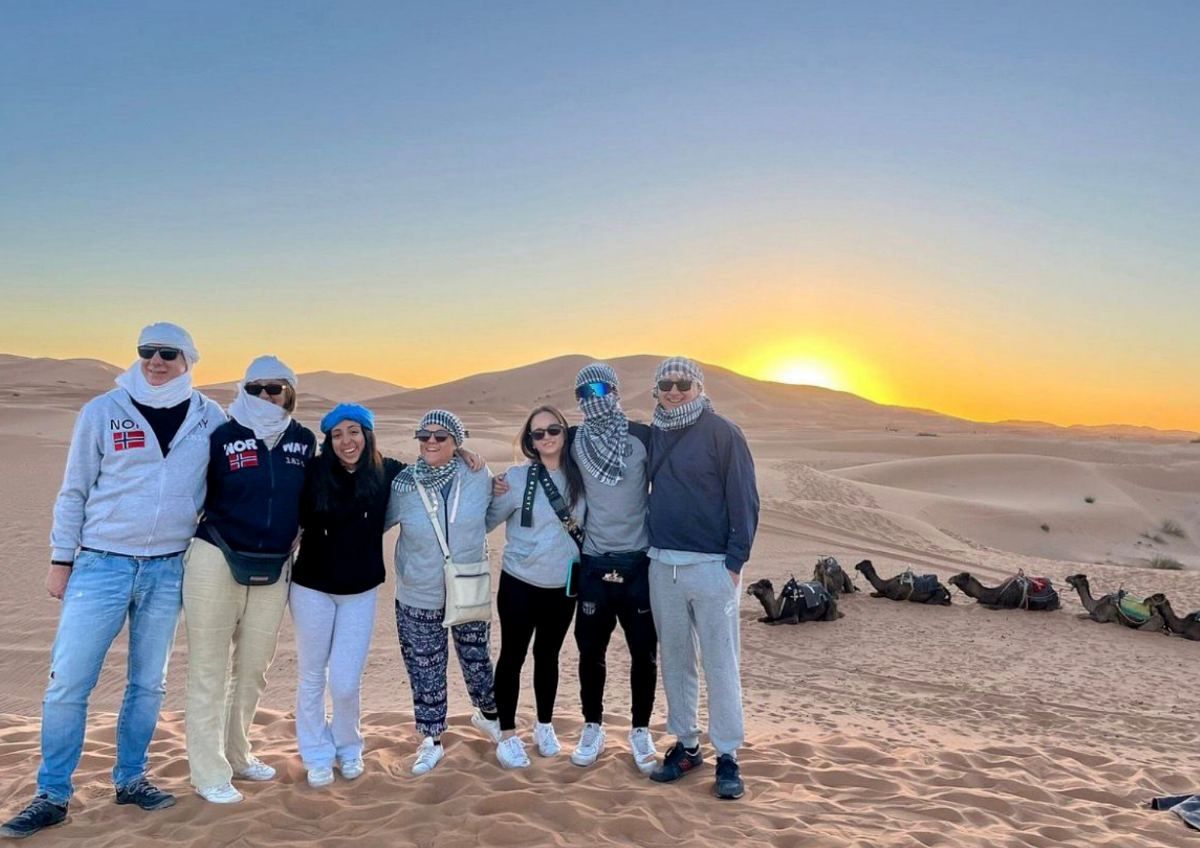
The dune system of Erg Chebbi reaches up to 150 metres in height and stretches across a wide area of south-eastern Morocco. The dunes are shaped entirely by wind and shift constantly, though the broader formation remains stable over geological time. At night, the absence of artificial light makes the sky here one of the clearest in North Africa — well suited to informal astronomy.
AÏT BEN HADDOU KASBAH
A UNESCO World Heritage Site on the old caravan route between the Sahara and Marrakech. The ksar is built from compacted earth, straw, and local timber, with thick walls and small openings that keep the interior cool in summer and warm in winter. It has been inhabited continuously for centuries and, more recently, has served as a filming location for international productions — making it an interesting case study in the relationship between heritage and contemporary use.
JEMAA EL-FNAA – MARRAKECH
The central square of Marrakech has been in continuous use as a public gathering space since the eleventh century. UNESCO recognises it as part of the world’s intangible cultural heritage for the living traditions it sustains — storytelling, music, street performance, and oral history passed from one generation to the next in full view of anyone who passes through.
VOLUBILIS
The most complete Roman site in Morocco and a UNESCO World Heritage Site. The ruins date primarily from the second and third centuries CE and include temples, a basilica, triumphal arch, residential quarters, and floor mosaics that remain largely intact. The site gives a clear picture of how a Roman provincial city was planned and lived in, and of the relations between Roman administrators and the Berber communities who occupied the surrounding territory.
FREQUENTLY ASKED QUESTIONS
How is student safety managed across the ten days?
Safety underpins every element of the planning. Vehicles are modern, fully insured, and regularly maintained. Drivers are experienced on both mountain and desert routes. Our tour leaders are trained in group management and emergency response, and the operations team remains reachable throughout the journey. We maintain working relationships with medical facilities and local authorities in each region the tour passes through.
Can the itinerary be tailored to a specific curriculum?
Yes. We regularly work with schools and universities to adapt the programme to fit specific academic objectives. Whether the focus is environmental science, human geography, history, archaeology, architecture, sustainability, cultural studies, or language, the daily programme — site visits, discussions, and structured activities — can be adjusted to match your goals. Get in touch with the details of your curriculum and we’ll shape the itinerary around them.
What are the sleeping arrangements at the desert camp?
Tents are private, spacious, and organised by gender. Each has comfortable beds, quality bedding, and access to en-suite bathroom facilities with hot water. The camp is staffed throughout the night and located away from public access areas. The environment is secure and fully supervised.
How are dietary requirements managed?
We work with hotels, restaurants, and camps that operate to consistent food safety standards. Vegetarian, vegan, gluten-free, halal, dairy-free, and allergy-specific meals can all be arranged provided we are informed in advance. Students with severe allergies should flag these during the planning stage so we can confirm arrangements with each venue.
Why is Morocco a strong destination for educational travel?
Morocco compresses a remarkable range of historical, geographical, and cultural material into a relatively small area. Within ten days on this route, students encounter Roman ruins, a medieval city, mountain ecosystems, desert environments, traditional earthen architecture, nomadic culture, and a major modern city. Each of these has its own academic relevance, and each can be linked to classroom subjects in history, geography, science, sociology, or the humanities. The country is also safe, welcoming to international visitors, and well set up for organised group travel.
WHY BOOK WITH US
We specialise in student and educational travel in Morocco, and we understand what planning a group trip of this scale actually involves — precise logistics, reliable vehicles and accommodation, experienced guides who can engage a student audience, and a programme that balances learning with the kind of experiences students will actually remember.
We work directly with teachers, professors, and group leaders at every stage of the planning process, from initial itinerary design through to the final day of the trip. We support responsible and sustainable tourism, work alongside local communities, and run every programme with the intention of making Morocco as accessible and as meaningful as possible for the students who come here to discover it.
BRIEF ITINERARY
Day 1: Arrival in Tangier – Hercules Caves
Day 2: Tangier – Rif Mountains – Chefchaouen
Day 3: Chefchaouen – Volubilis – Meknes – Fes
Day 4: Full day in Fes medina
Day 5: Fes – Ifrane – Azrou Cedar Forest – Ziz Valley – Merzouga
Day 6: Merzouga – Sahara field study – Khamlia – Sunset camel trek
Day 7: Merzouga – Todra Gorge – Dades Valley
Day 8: Dades Valley – Aït Ben Haddou – High Atlas – Marrakech
Day 9: Marrakech city tour
Day 10: Departure from Marrakech