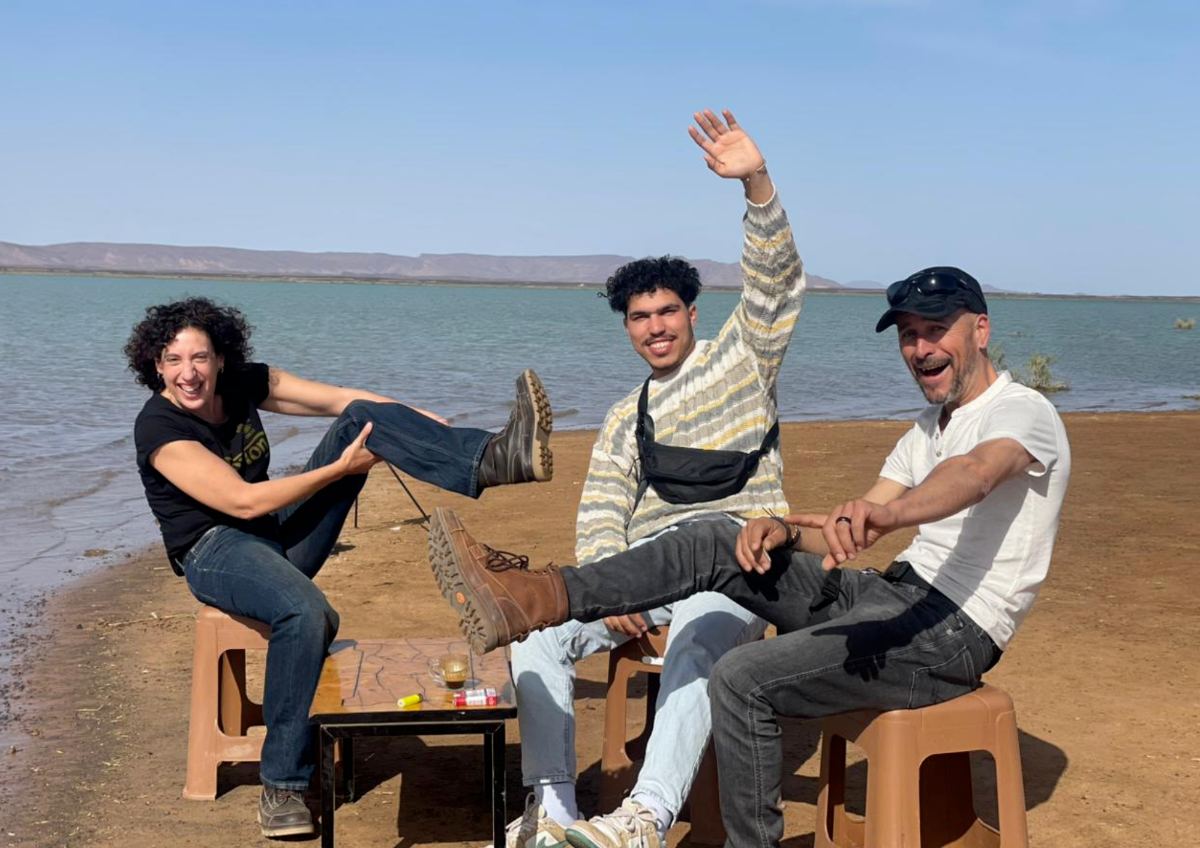
4-DAY TOUR FROM MARRAKECH TO MERZOUGA DESERT
This four-day itinerary takes you deep into the landscapes of southern Morocco, beginning and ending in Marrakech. Along the way the route climbs the High Atlas via the Tizi n’Tichka pass, drops into the famous Dades Valley, cuts through the dramatic Todra Gorge, and arrives at the Erg Chebbi dunes in time for a sunset camel trek. The return leg passes through the Draa Valley, the historic trading town of Rissani, and the film city of Ouarzazate before crossing back over the Atlas to Marrakech.
Tour Highlights:
– Crossing the High Atlas Mountains via the Tizi n’Tichka pass
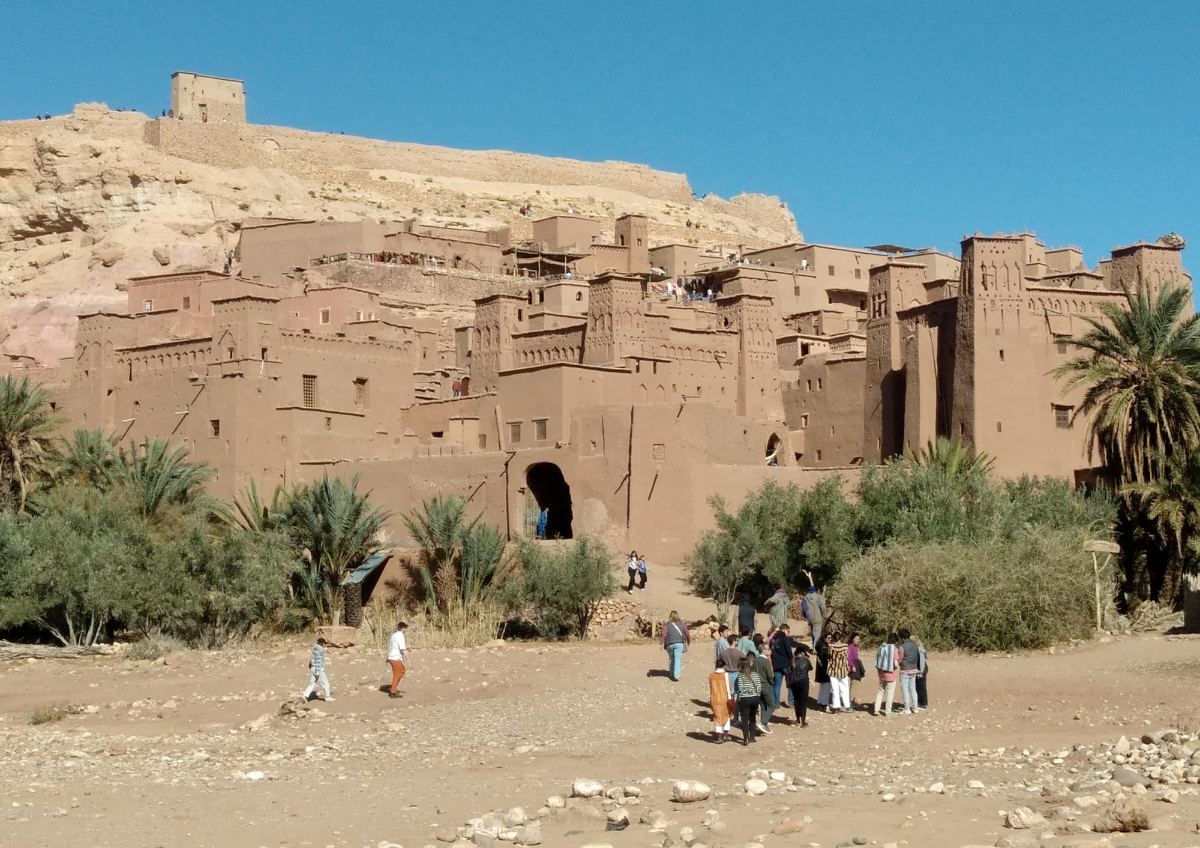
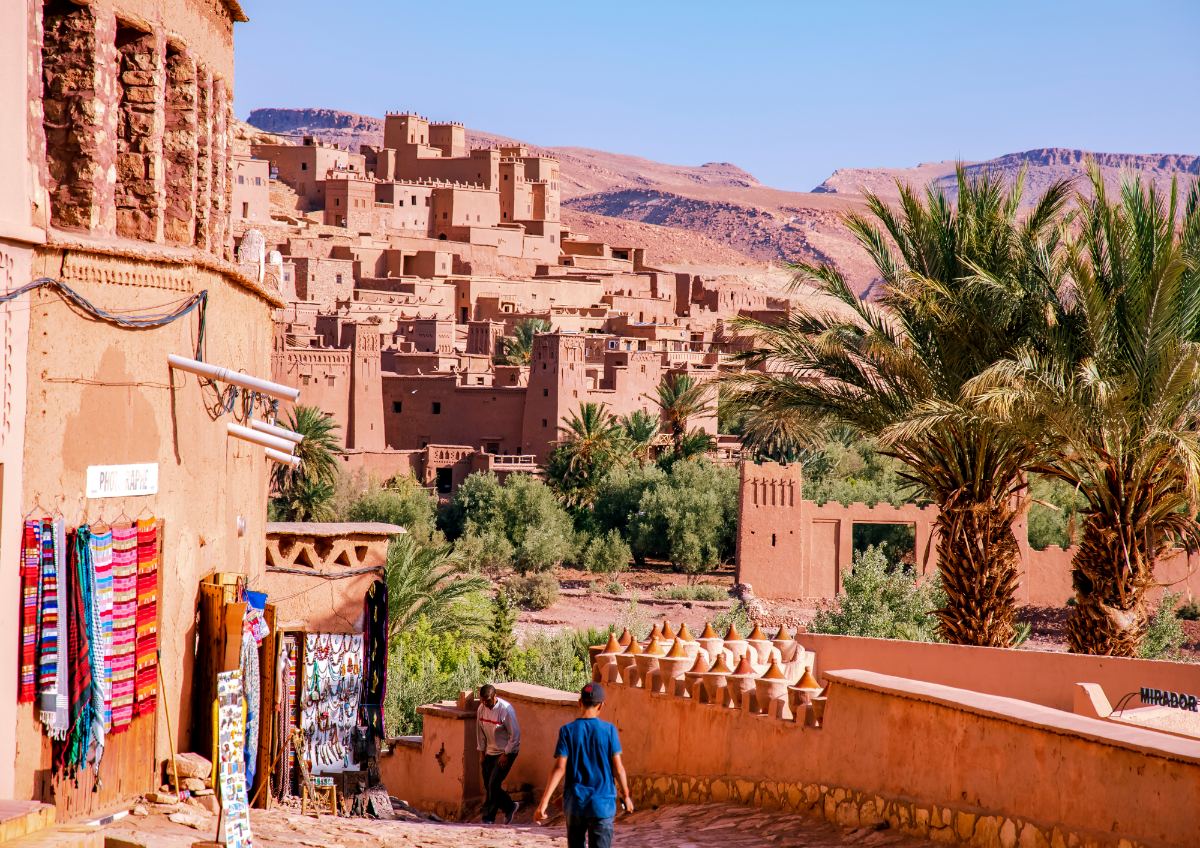
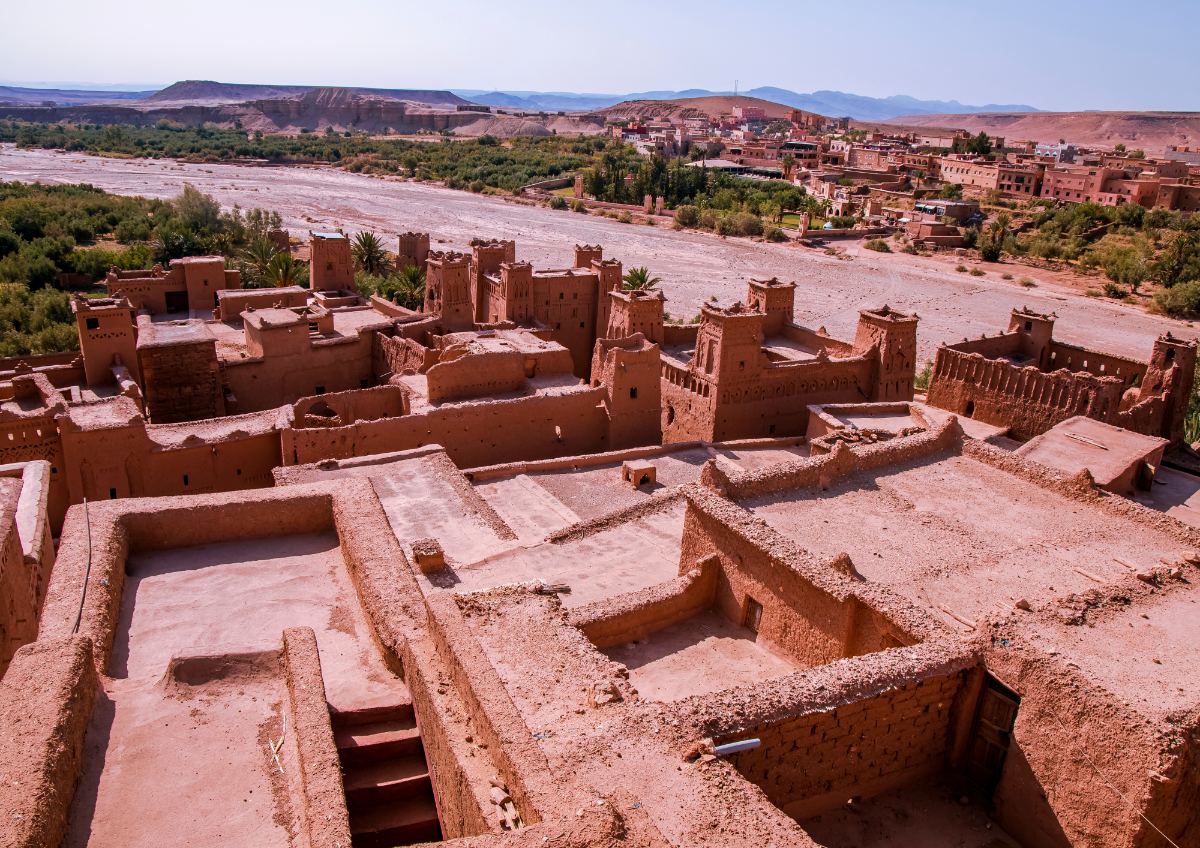
– A visit to the UNESCO-listed Aït Ben Haddou Kasbah
– Driving through the Dades Gorge and spending a night in the valley
– Walking the floor of the Todra Gorge between its towering limestone walls
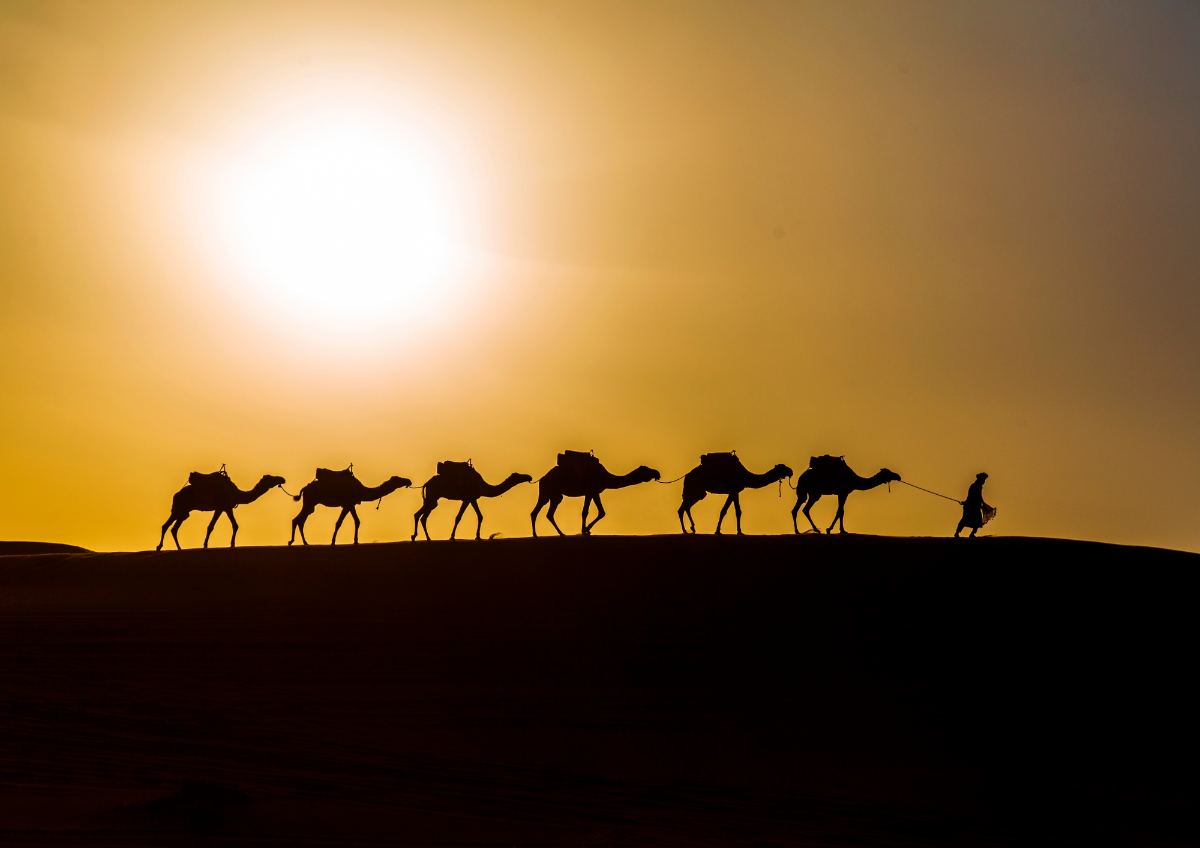
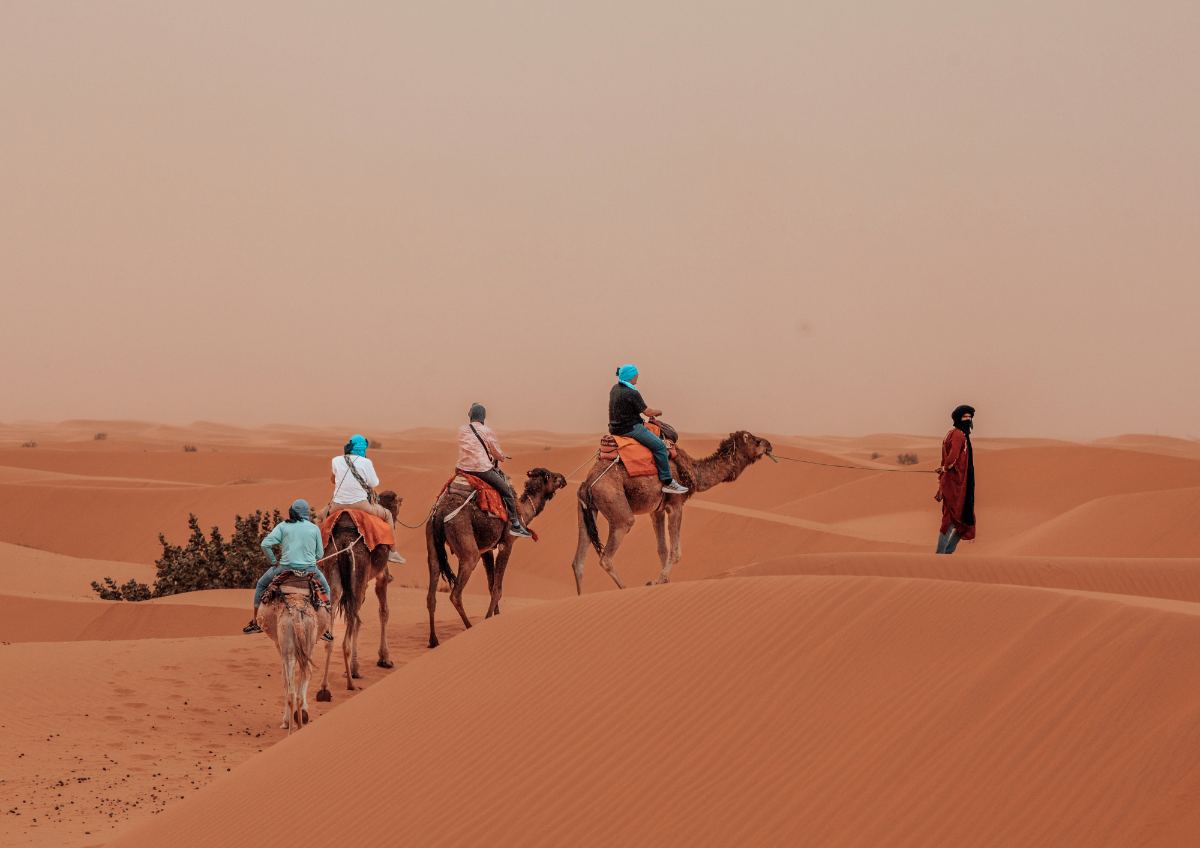
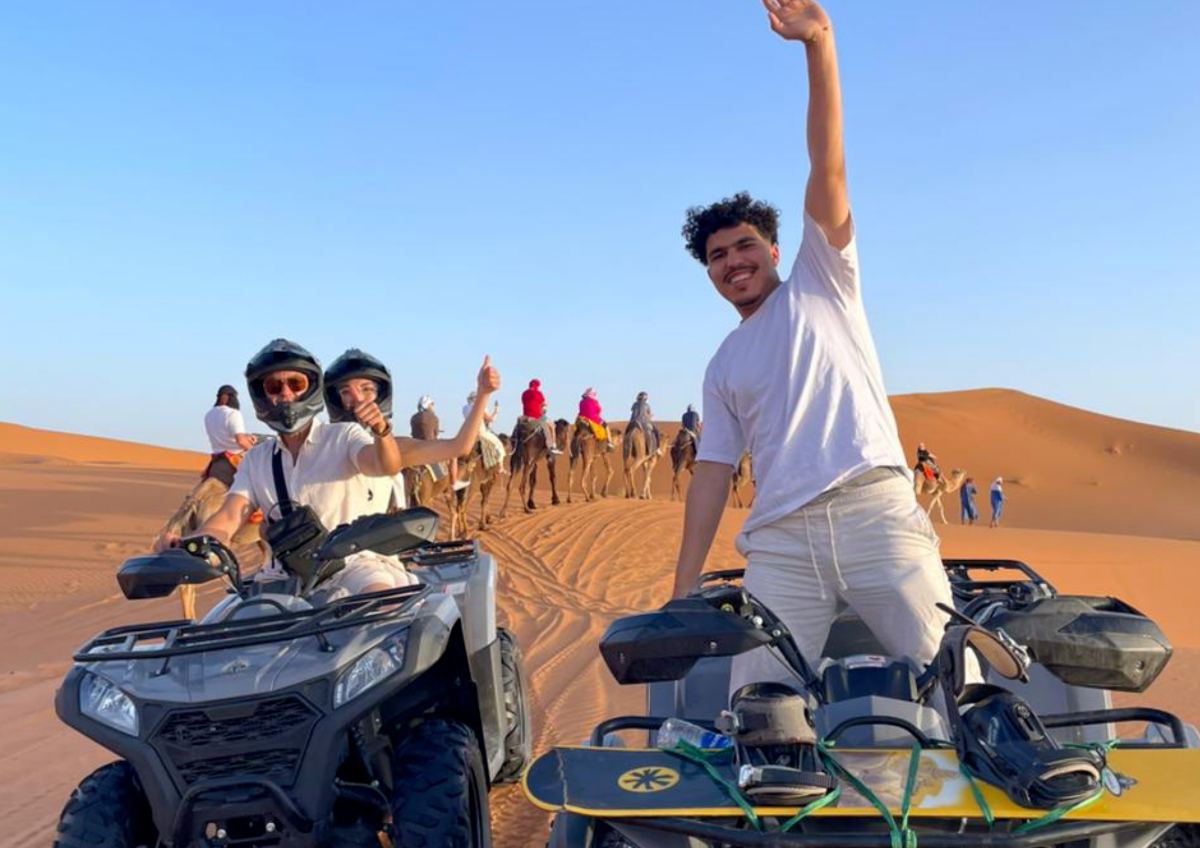
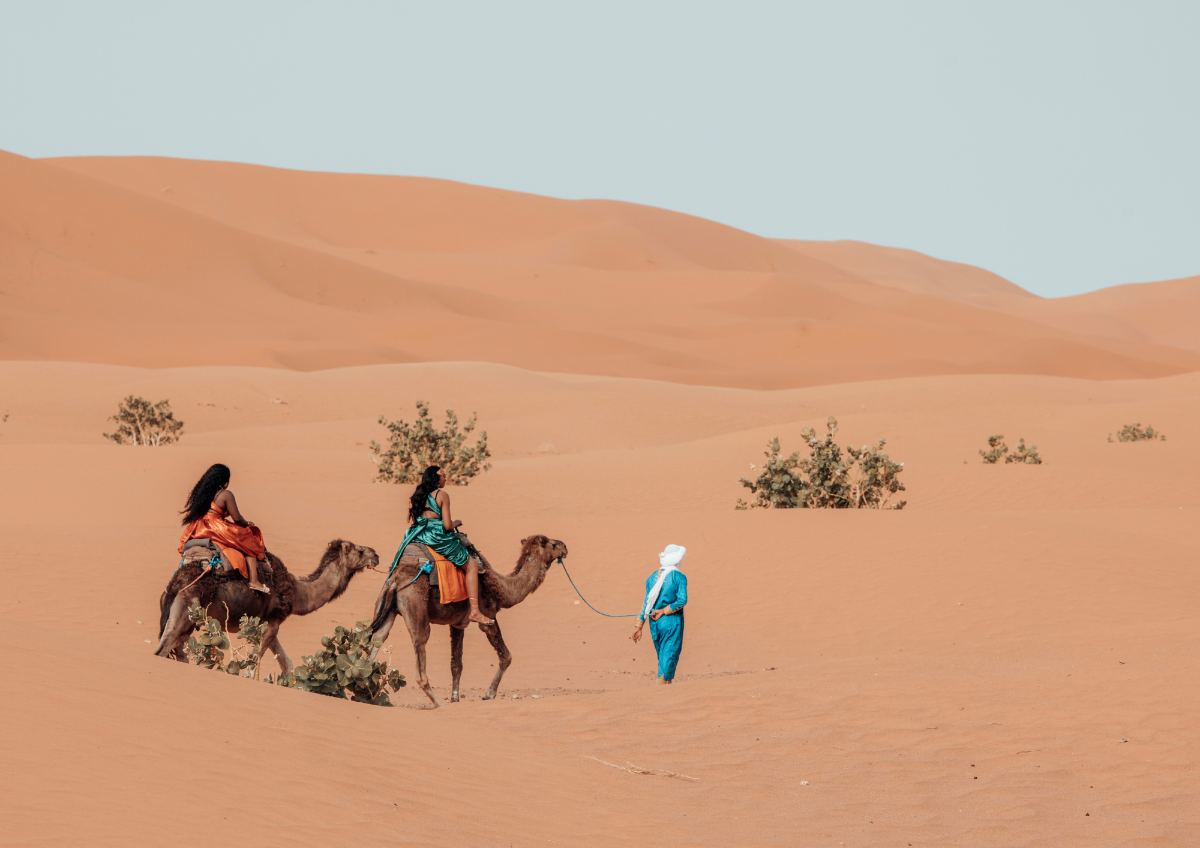
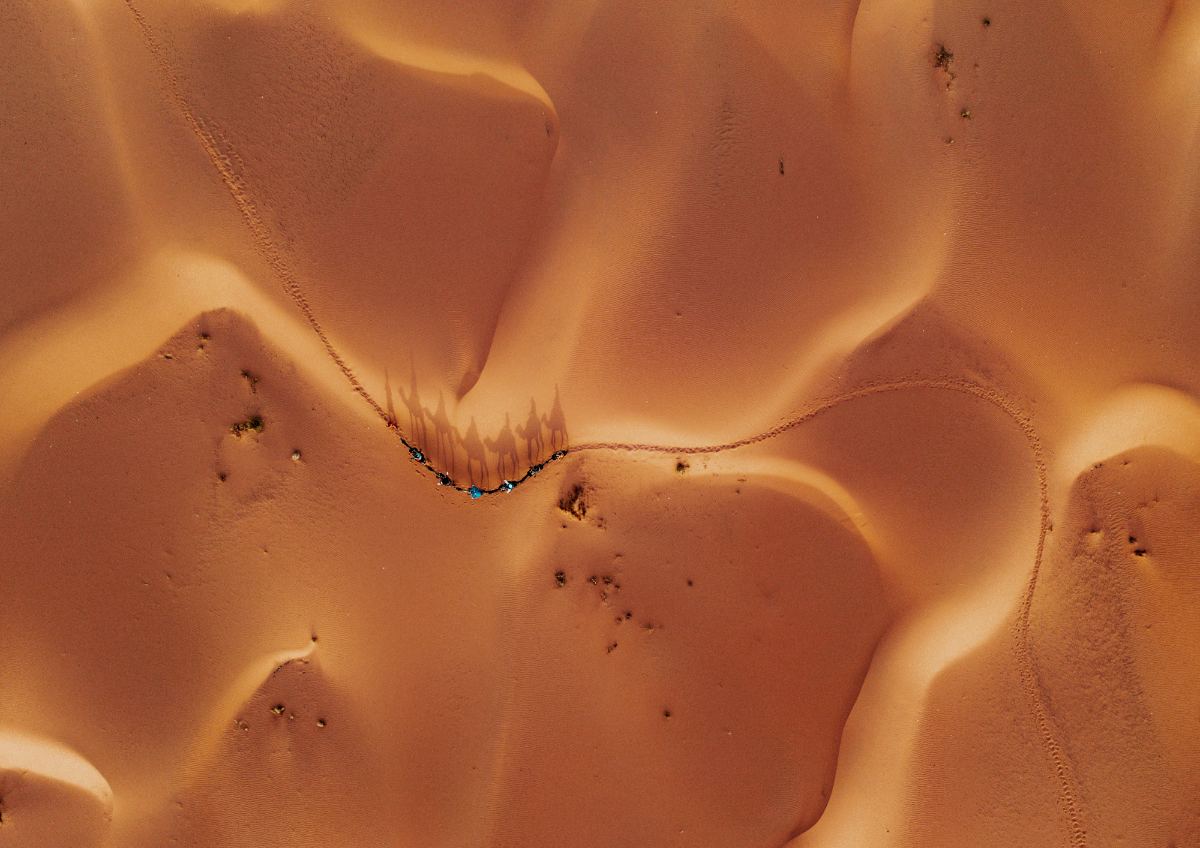
– A sunset camel trek across the golden dunes of Erg Chebbi
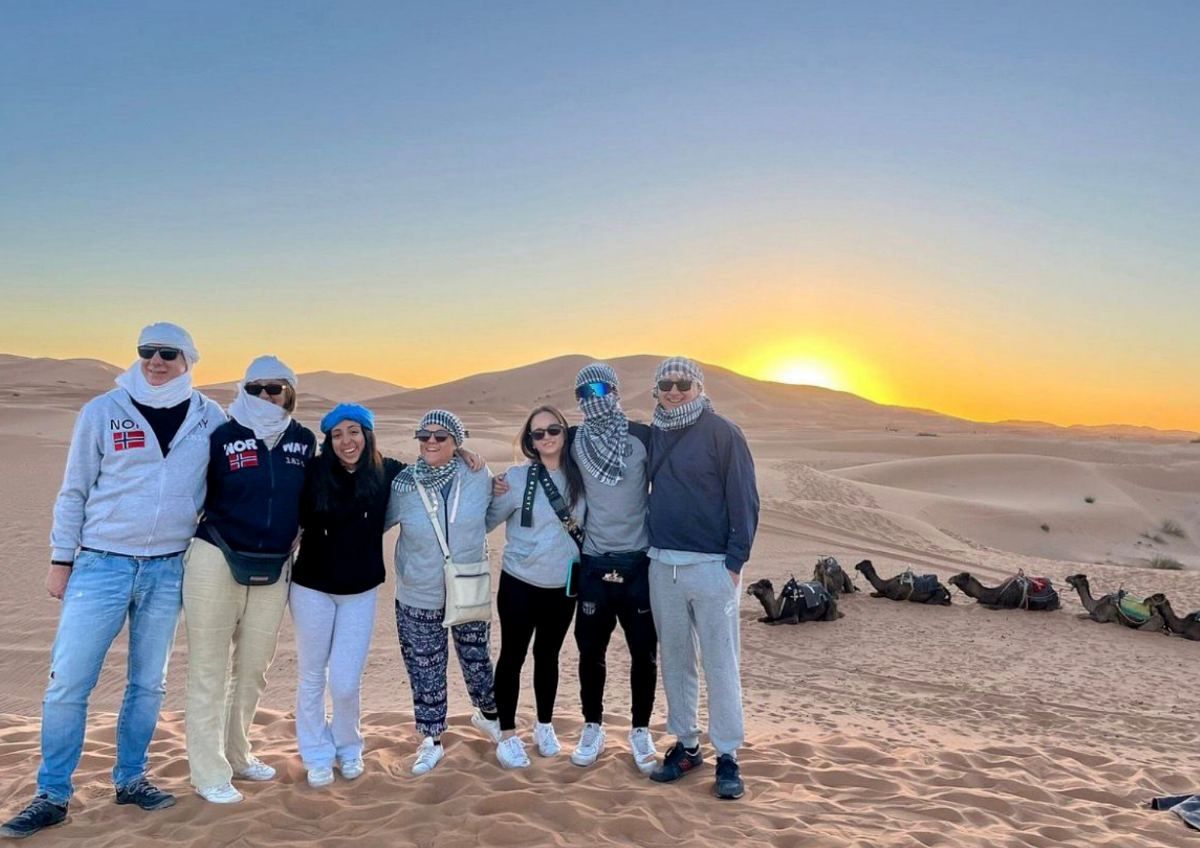
– A night under the stars in a Merzouga desert camp
– A visit to the film studios of Ouarzazate
We professionally design our Morocco tours to provide a genuinely authentic and unforgettable holiday. Every travel package is entirely flexible and can be customized to match your specific interests, dates, and travel style. Whether you wish to add additional cities, adjust the daily pace, or focus on distinct local activities, our team will modify the itinerary to meet your exact preferences. Enjoy a unique, tailor-made journey to Morocco built solely for you.
DAY 1: MARRAKECH – TIZI N’TICHKA – AÏT BEN HADDOU – OUARZAZATE – ROSE VALLEY – DADES VALLEY
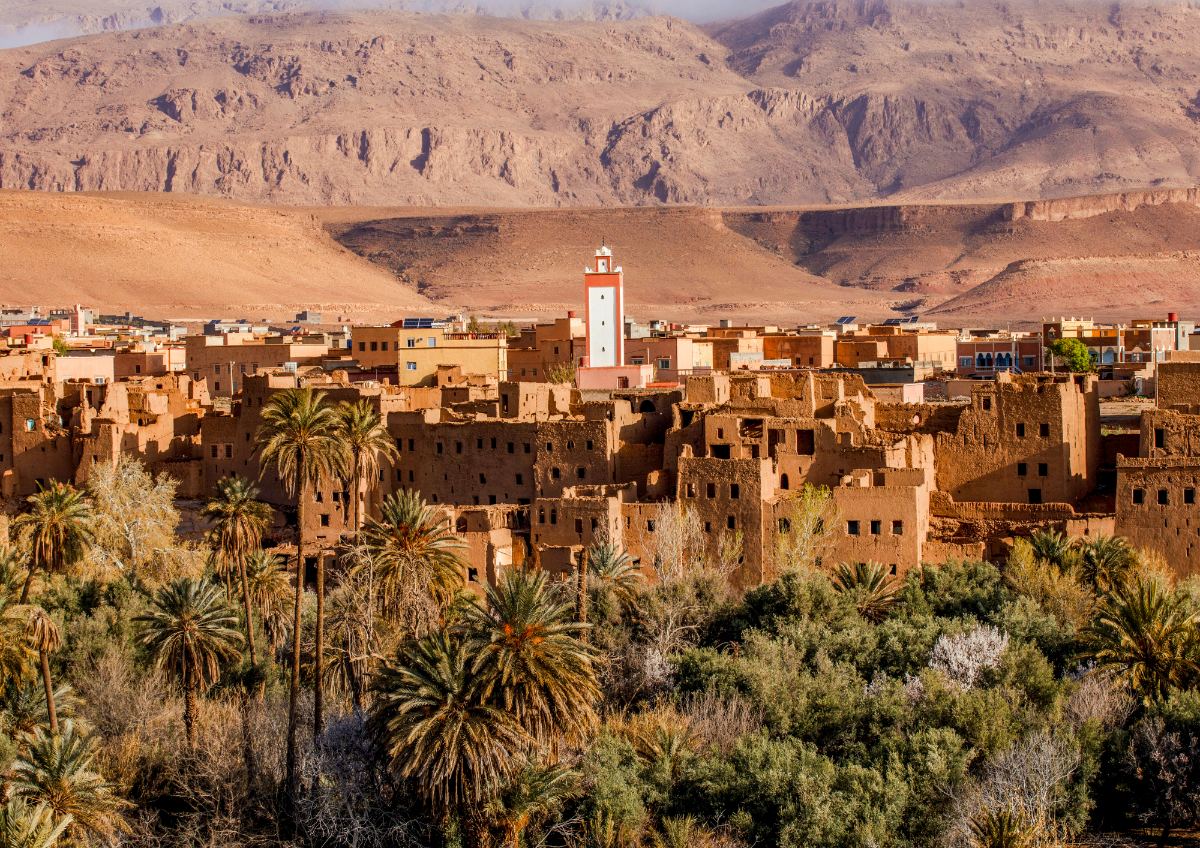
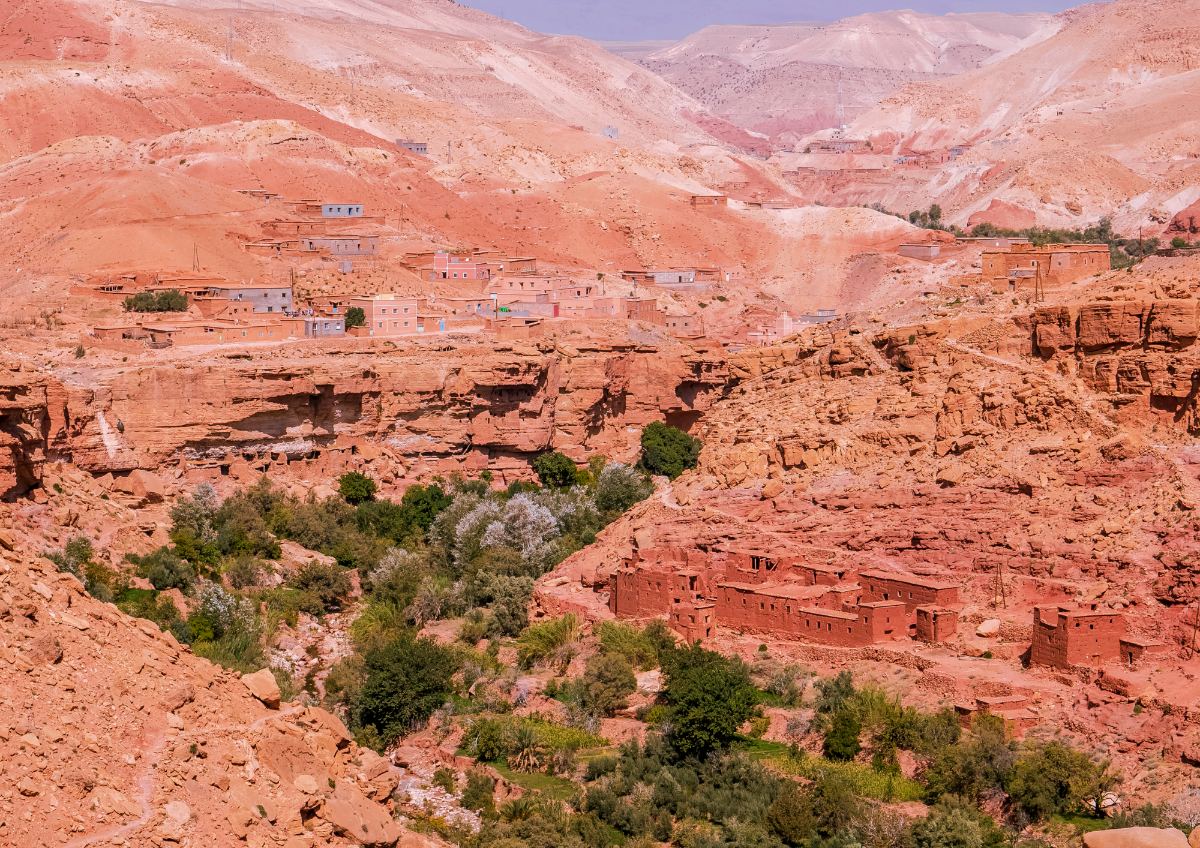
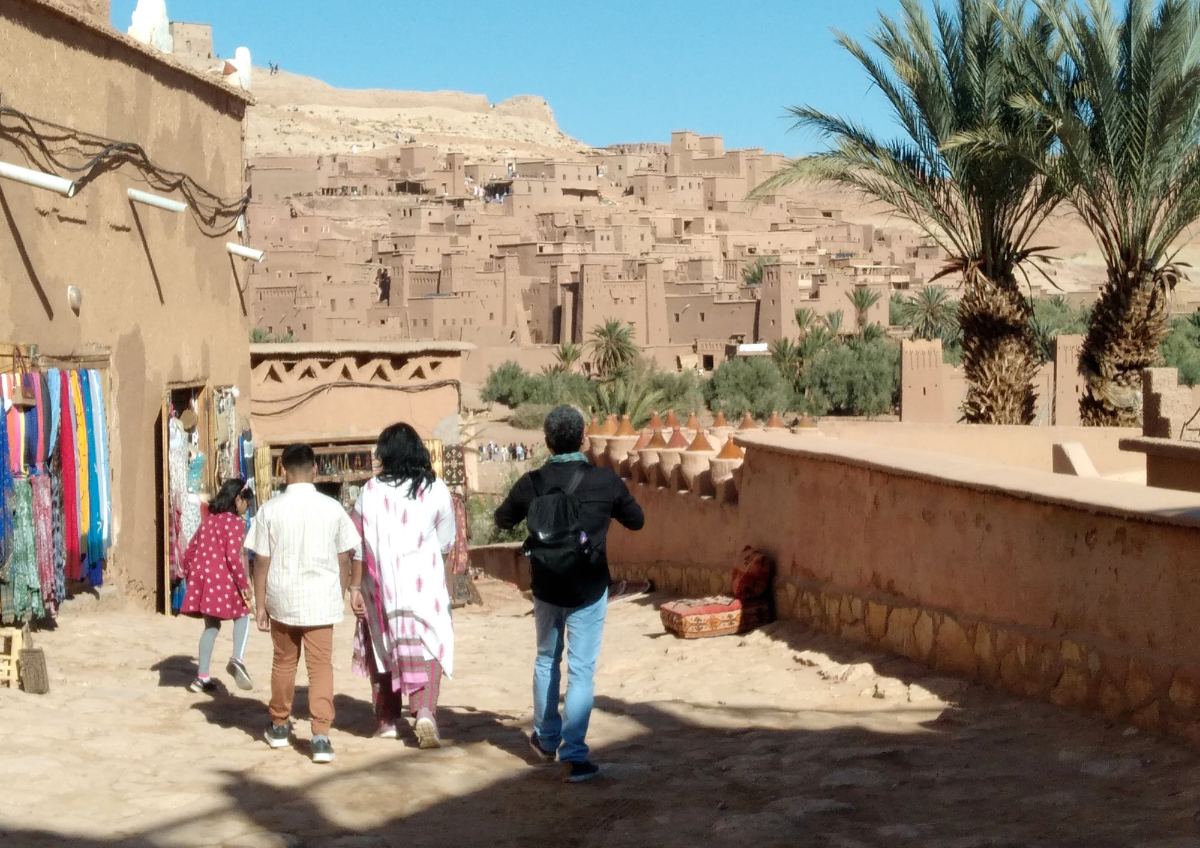
Departure from your hotel or riad at 08:00. The route heads south-east out of Marrakech and climbs immediately into the High Atlas, following the Tizi n’Tichka road through a succession of panoramic viewpoints and traditional mountain villages. A stop is made at one of the higher passes to take in the views and stretch before continuing down toward Aït Ben Haddou. This ancient fortified ksar — a UNESCO World Heritage Site — is one of the finest examples of pre-Saharan earthen architecture in Morocco, and has served as a backdrop for a number of internationally known films. Time is set aside to explore its lanes and towers, with lunch taken at a restaurant nearby, where the menu follows traditional lines: Moroccan salad, tajine, couscous, and mint tea. The afternoon continues through Ouarzazate, widely known as the gateway to the Sahara and home to some of the largest film production facilities on the African continent. The route then winds through the Rose Valley before arriving in the Dades Valley for the first overnight stay.
DAY 2: BOUMALNE DADES – TODRA GORGE – ERFOUD – ERG CHEBBI DESERT CAMP
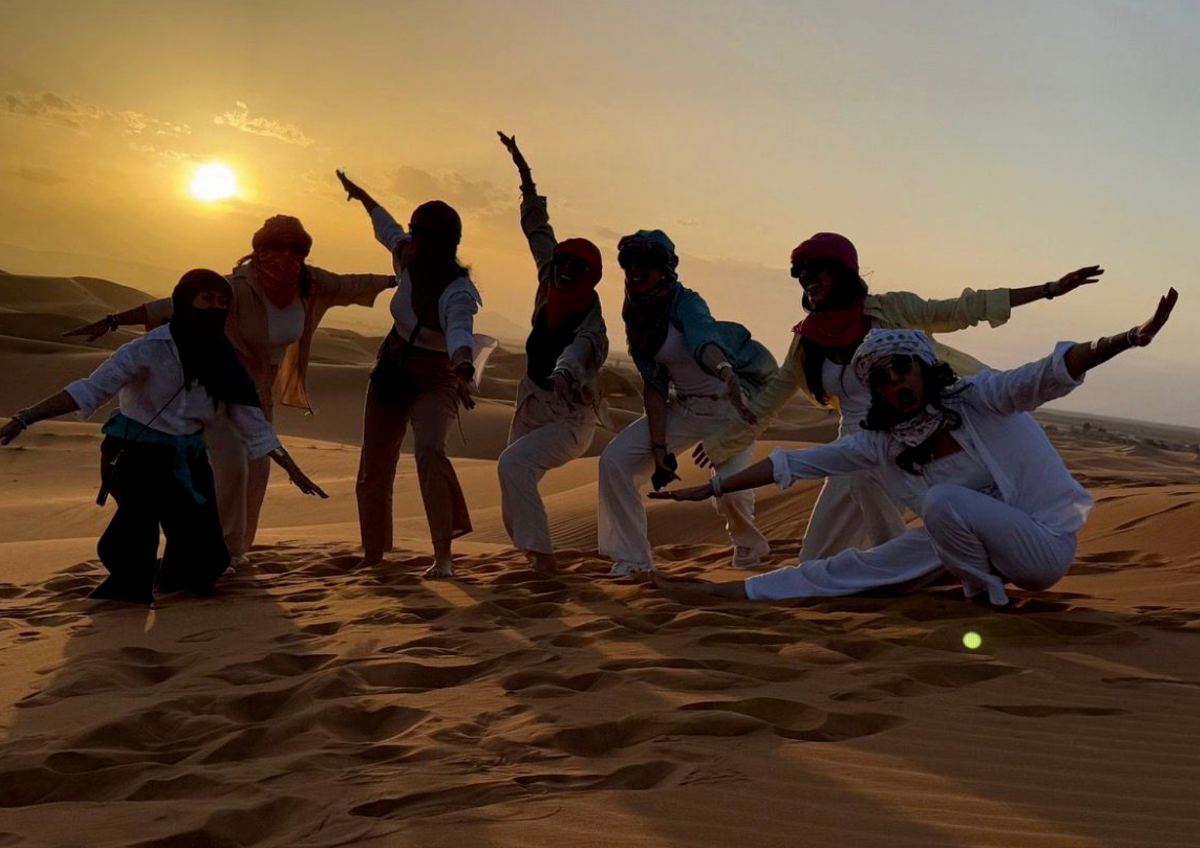
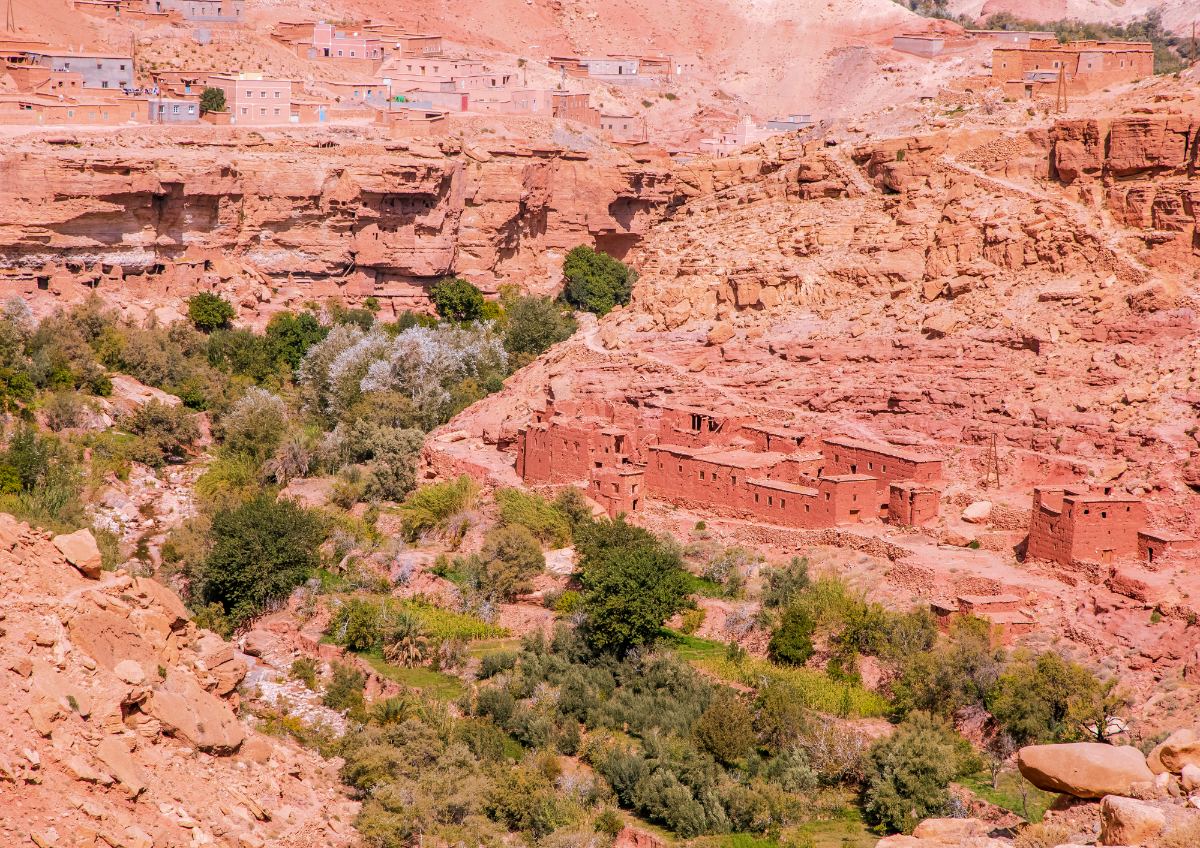
After breakfast with views over the valley, the day moves east to Tinghir and the Todra Gorge, where two near-vertical rock faces close in to create one of Morocco’s most spectacular natural corridors. The gorge floor is threaded by a shallow river, and the area around it is known for its palm groves and small-scale farming. Time is taken to walk through the canyon before continuing east, crossing terrain where dark volcanic plateaus meet lighter limestone formations. A lunch stop is made in a small town along the way before the final push into the desert. Arrival at the edge of the Erg Chebbi dune system is timed for the afternoon, where camels and their guide are waiting. The trek into the dunes follows the falling light of the sunset, arriving at the desert camp as the sky darkens. Dinner is served around the fire, with Berber music and a sky full of stars rounding off the evening.
DAY 3: ERG CHEBBI – RISSANI – ALNIF – DRAA VALLEY – OUARZAZATE
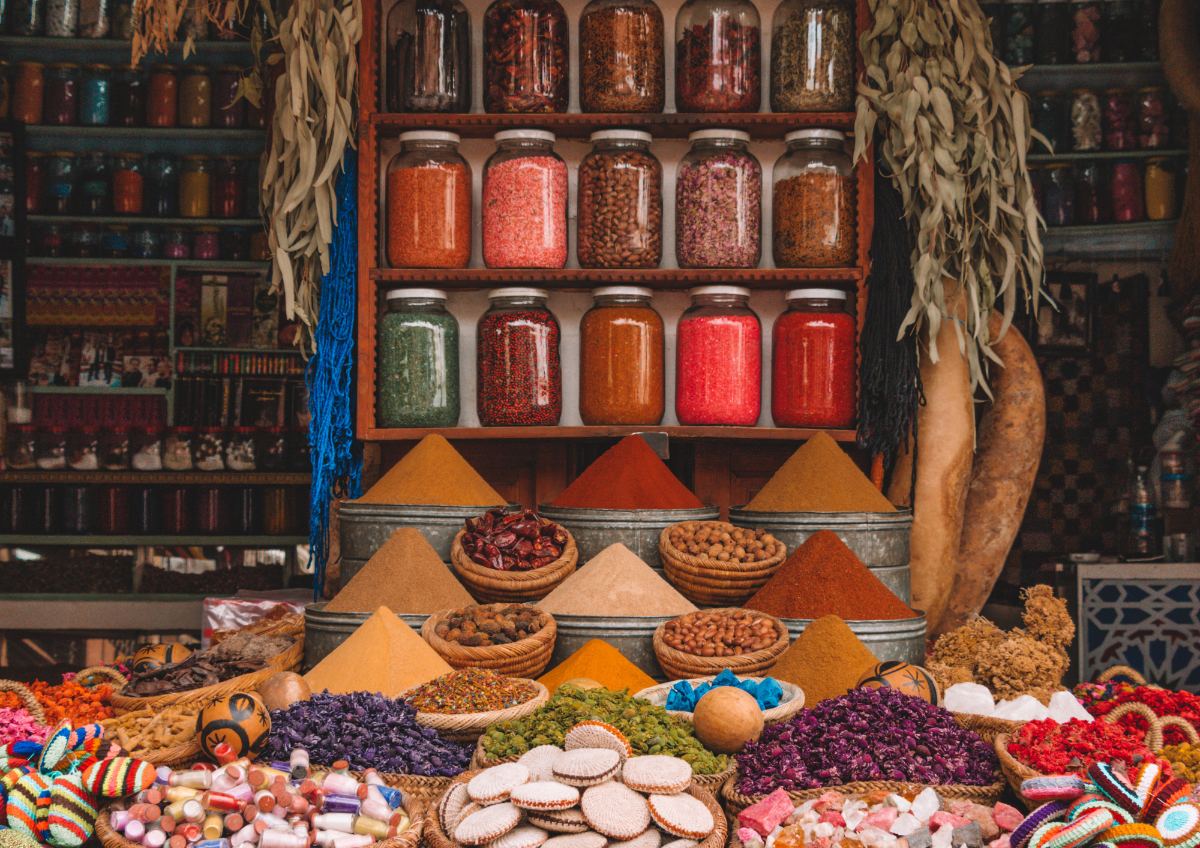
The third day begins at sunrise with a camel ride back from the camp. After breakfast, the route turns west toward Rissani, a historic trading town with a busy traditional market where local craftspeople sell leatherwork, textiles, and handmade goods alongside traders from across the region. Continuing west, the road passes through Alnif and enters the long corridor of the Draa Valley, one of Morocco’s most striking river oases, lined with dense palm groves and punctuated by old kasbahs and Berber villages. Lunch is taken at a traditional restaurant in Nkob before the route climbs into the Anti-Atlas and descends via the Aït Saoun bends into Ouarzazate, where the night is spent.
DAY 4: OUARZAZATE – FILM STUDIOS – TIZI N’TICHKA – MARRAKECH
The final morning begins with a visit to the Ouarzazate film studios, one of the largest production facilities in the world and the location of numerous internationally acclaimed productions. The tour of the studios covers the sets, props, and history of filming in the region. After lunch at a restaurant near the Tizi n’Tichka pass, the road climbs back over the Atlas and descends into Marrakech, arriving in the city by early evening to mark the end of the tour.
PLACES VISITED
MARRAKECH
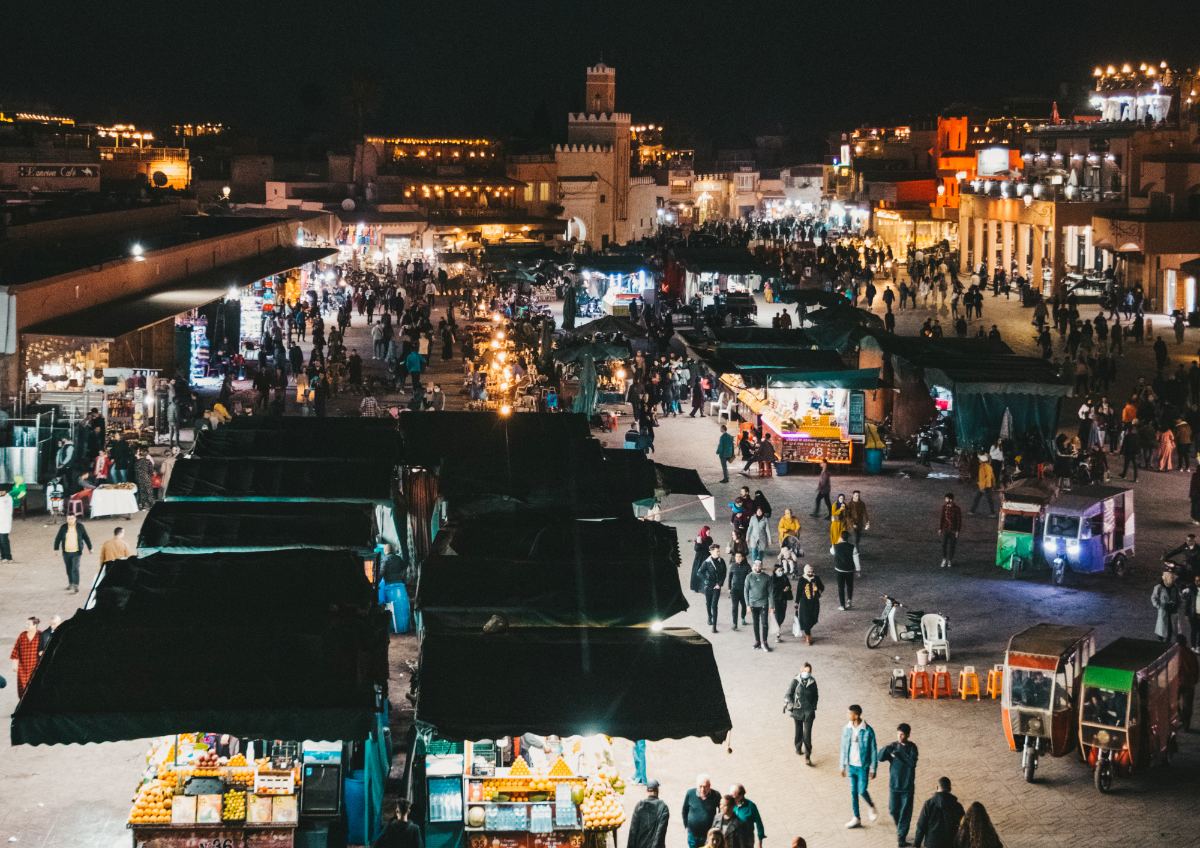
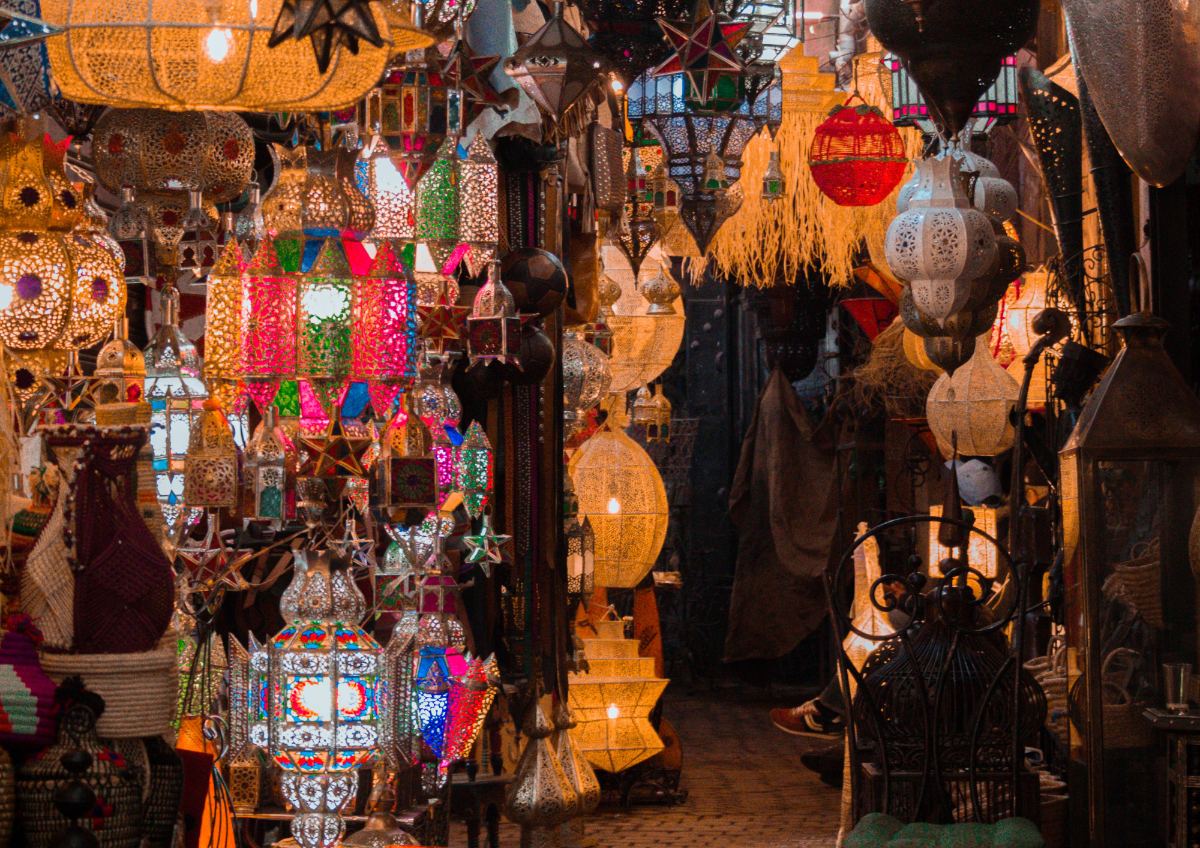
Morocco’s most visited city is built around Jemaa el-Fnaa, one of the busiest public squares in Africa, which transforms from a daytime market into an open-air gathering of food stalls, musicians, storytellers, and acrobats after dark. The medina surrounding it is a dense network of souks and artisan quarters that has been operating in much the same way for centuries. The city sits at the foot of the High Atlas and serves as the natural starting point for journeys into the south.
OUARZAZATE
Ouarzazate occupies a strategic crossroads in south-eastern Morocco, sitting between the Draa Valley to the south and the Ziz Valley to the east. Its position and its desert-mountain scenery attracted the attention of the international film industry decades ago, and the city has since hosted productions ranging from classic epics to major television series. The studios built to serve that demand remain among the largest on the continent, and a visit to them is one of the more unusual stops on any itinerary through the south.
MERZOUGA AND ERG CHEBBI
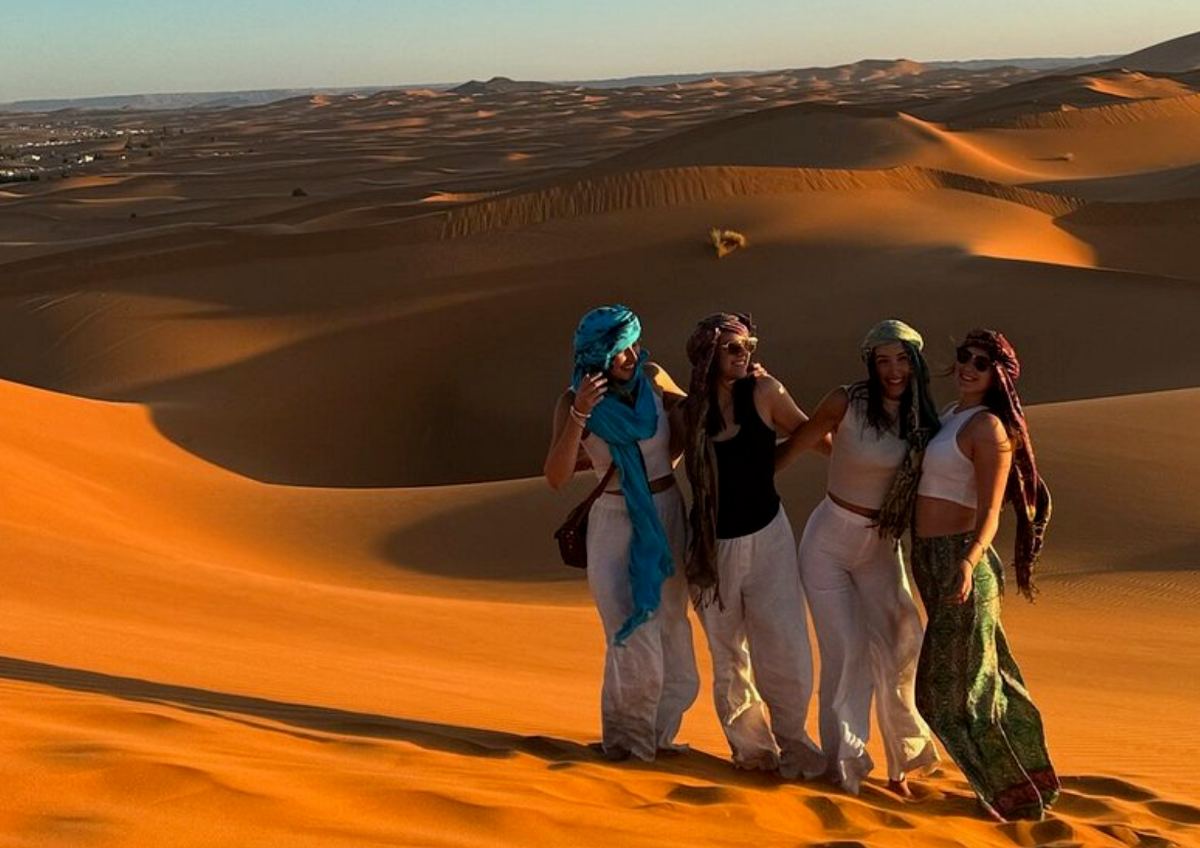
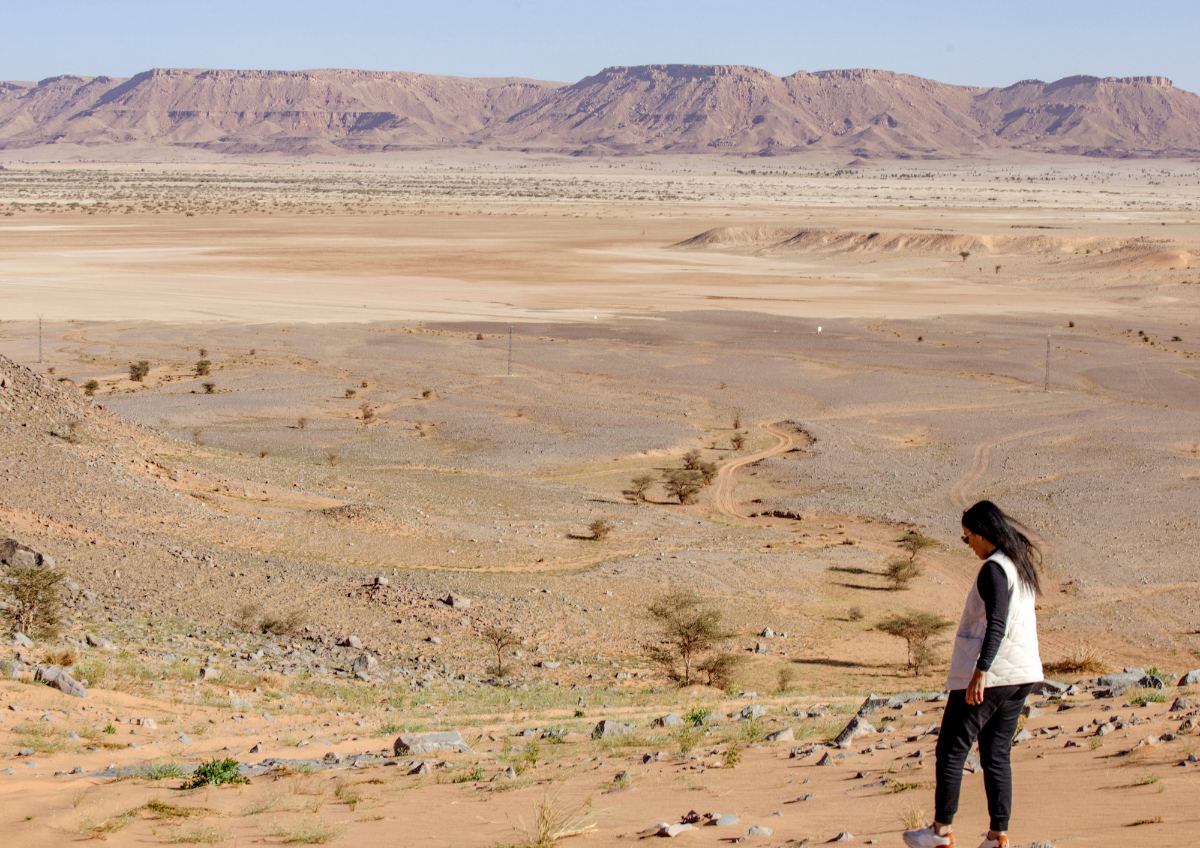
Merzouga is a small village on the edge of the Erg Chebbi dune system in eastern Morocco. The dunes themselves are the main draw — rising to around 150 metres and shifting colour from pale gold to deep amber depending on the time of day and the angle of the light. Camel trekking at sunset, camping overnight, and watching the sky lighten over the dunes at dawn are the three experiences that bring most visitors to this corner of the Sahara.
FREQUENTLY ASKED QUESTIONS
Is there a desert near Marrakech?
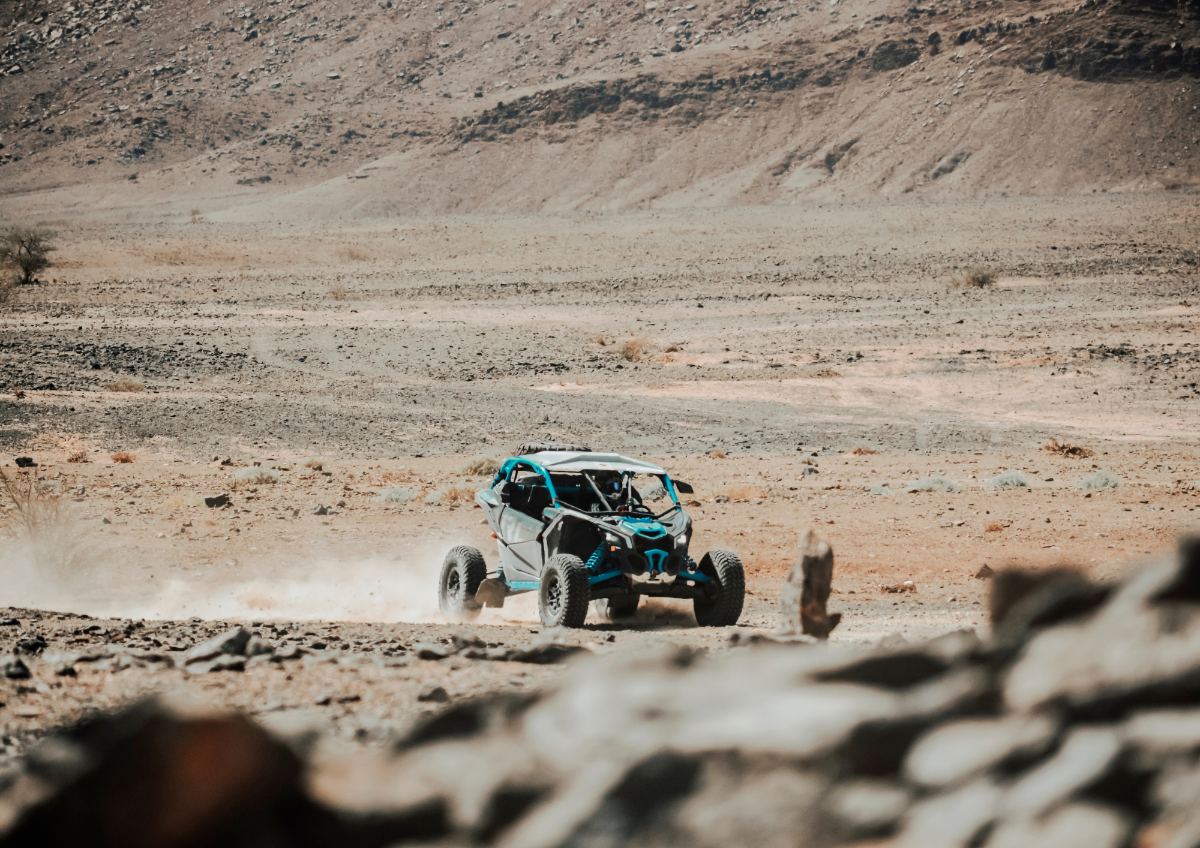
The Agafay Desert lies roughly 40 kilometres south of Marrakech, covering an area of over 100 hectares. Its landscape is made up of rocky plateaus, arid hills, and shallow valleys rather than sand dunes, and several Berber villages are scattered across the terrain. It can be explored by 4×4, on horseback, or on foot, with most excursions departing from the direction of Lake Lalla Takerkoust.
How do you get to the Merzouga desert?
Merzouga is around 560 kilometres from Marrakech. The nearest large city is Errachidia, which has its own airport with connections via Royal Air Maroc. From Errachidia, Merzouga is approximately two hours by road. Long-distance buses run between Fes, Marrakech, and Merzouga via CTM and Supratours for those travelling independently. Most visitors, however, join an organised tour, which covers transport, accommodation, and activities across several days.
How do you reach Ouarzazate?
Bus connections to Ouarzazate run from Marrakech, Casablanca, and Fes. Local taxis are widely available within the city and surrounding area for shorter journeys.
Is Ouarzazate worth visiting?
The old town of Ouarzazate, with its earthen buildings and narrow lanes, gives a good sense of how life has been lived in this part of Morocco for generations. The film studios are a genuine curiosity, and the city works well as a base for day trips to Aït Ben Haddou, the Draa Valley, and Skoura. It is a quieter alternative to the busier imperial cities, and its position at the edge of the desert makes it one of the more interesting overnight stops on a southern circuit.
NOTE
If this itinerary does not quite match what you are looking for, we can adapt the route, pace, accommodation level, or activities to suit your group. Get in touch and we will put together a programme built around your requirements.