Solo travel in Morocco is common and generally straightforward, though it differs enough from solo travel in Europe or North America that a little preparation makes a real difference to how comfortable the trip feels. Medina of Essaouira — UNESCO World Heritage is, on the whole, a safe country for travellers, but navigating attention, transport, and accommodation independently benefits from knowing what to expect in advance.
General Safety Context
Violent crime against tourists is rare, and the more common concerns are petty theft in crowded areas, persistent vendors, and the occasional unofficial guide offering unsolicited help that ends with a request for payment. A firm, polite decline usually resolves these situations without drama. Sticking to well-lit, populated streets after dark, as in most countries, remains sensible advice rather than a Morocco-specific caution. Joining a structured Errachidia to Marrakech: Epic 3-Day Desert Tour rather than navigating every logistic independently removes much of this friction for solo travellers preferring a more managed experience.
Solo Women Travellers
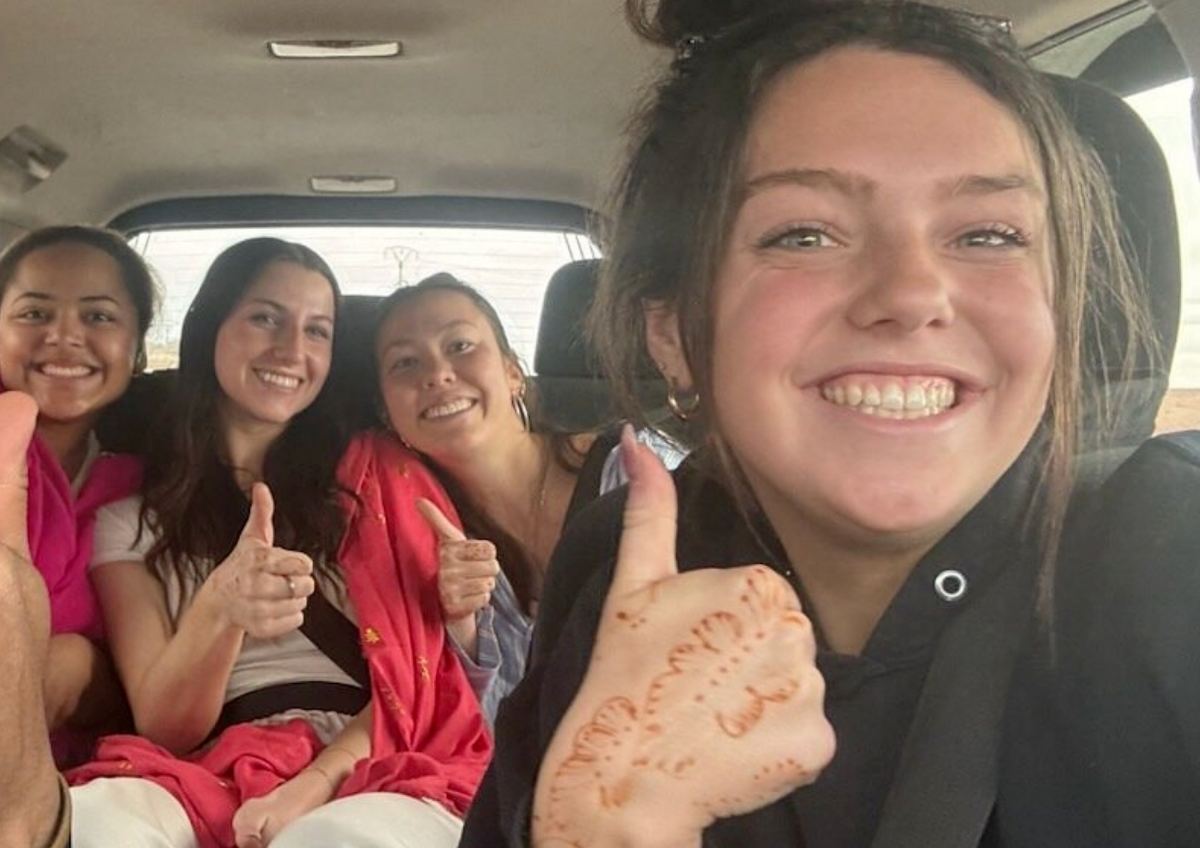
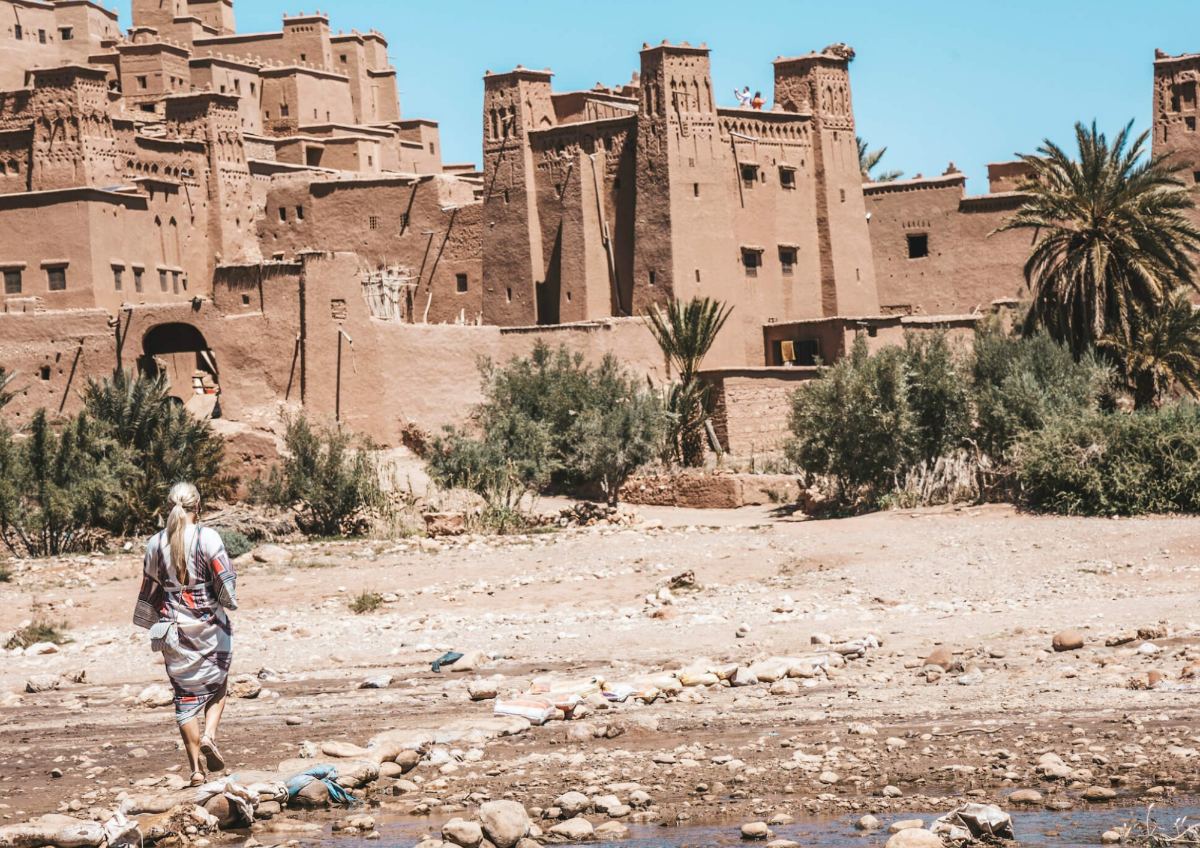
Solo women travel in Morocco regularly and safely, though many report more frequent unwanted attention, particularly in busier medina areas, than they might experience at home. Modest dress — covering shoulders and knees — reduces but does not eliminate this attention, and confident, direct body language tends to discourage persistent approaches more effectively than visible discomfort. Many solo women travellers find that booking accommodation through riads with good reviews specifically from other women, and arranging airport transfers in advance rather than negotiating taxis on arrival, smooths out the trickiest moments of an otherwise enjoyable trip.
Transport for Solo Travellers
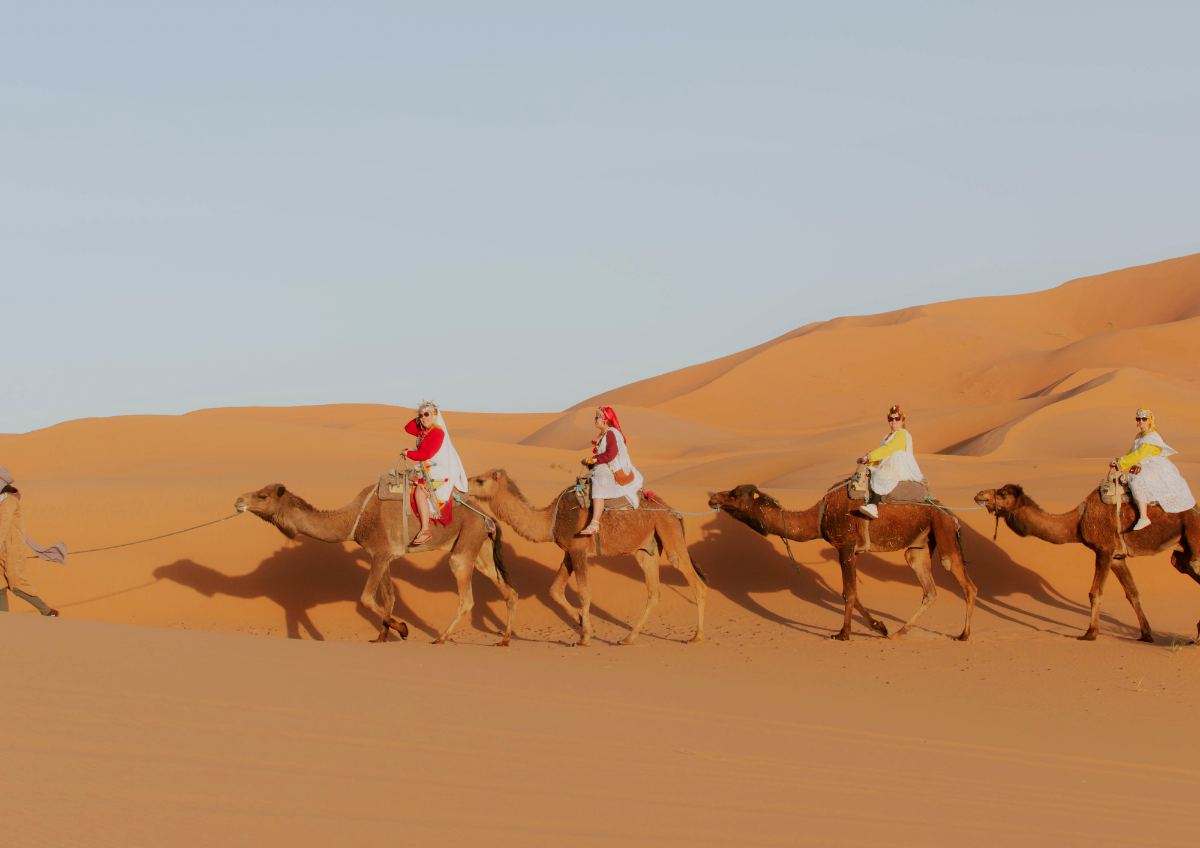
Trains between major cities are comfortable, reliable, and a straightforward way to move independently between Casablanca, Rabat, Fes, and Marrakech. Grand taxis and buses cover routes the train network does not reach, though agreeing a price or confirming a metered fare before departure avoids the occasional dispute. For more remote desert routes, joining an organised The Ultimate 15-Day Moroccan Horizon Journey from Tangier rather than attempting independent transport is generally the more practical and comfortable choice, given limited public transport options south of the Atlas.
Accommodation Choices
Riads, particularly smaller family-run ones, often provide a more personal level of guidance for solo travellers than larger hotels, with hosts frequently offering genuinely useful local advice on where to eat and what to avoid. Reading recent reviews specifically mentioning solo travellers, rather than relying on overall ratings alone, gives a clearer sense of how welcoming a particular property actually is.
Meeting Other Travellers
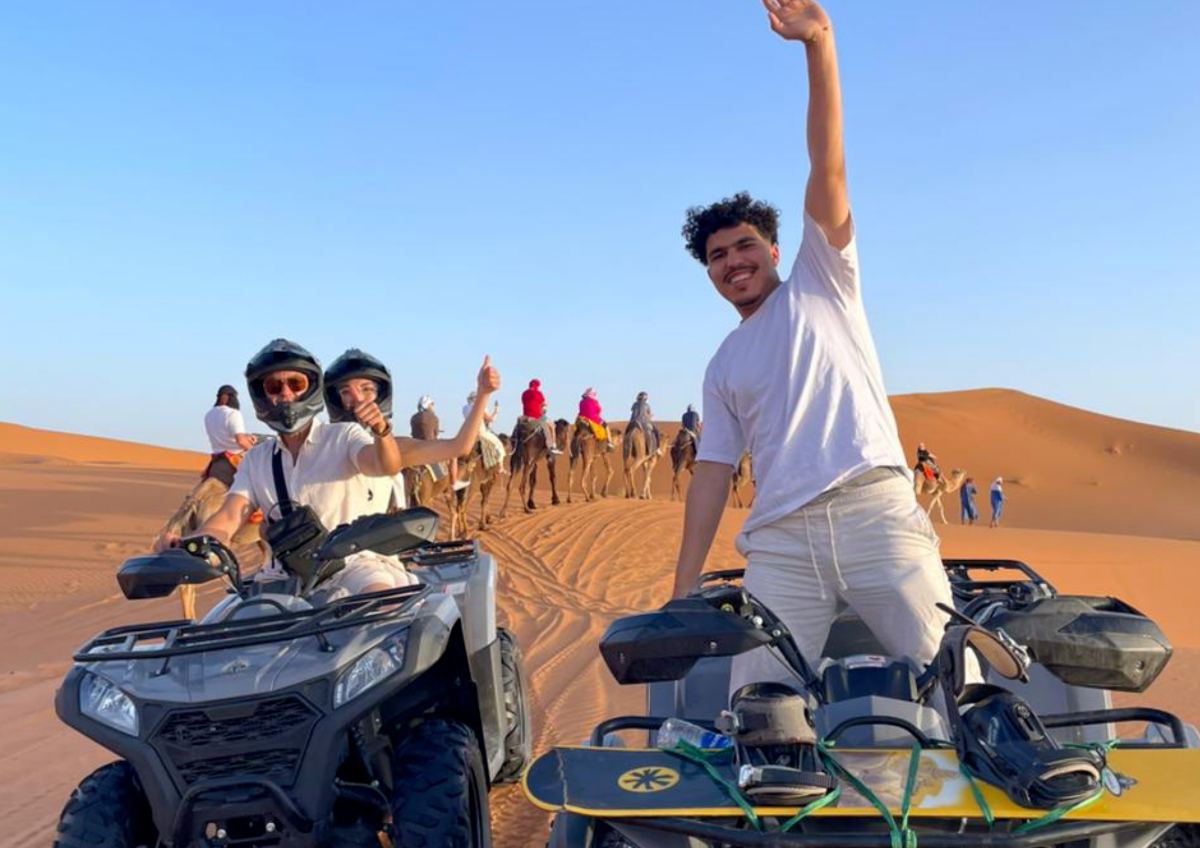
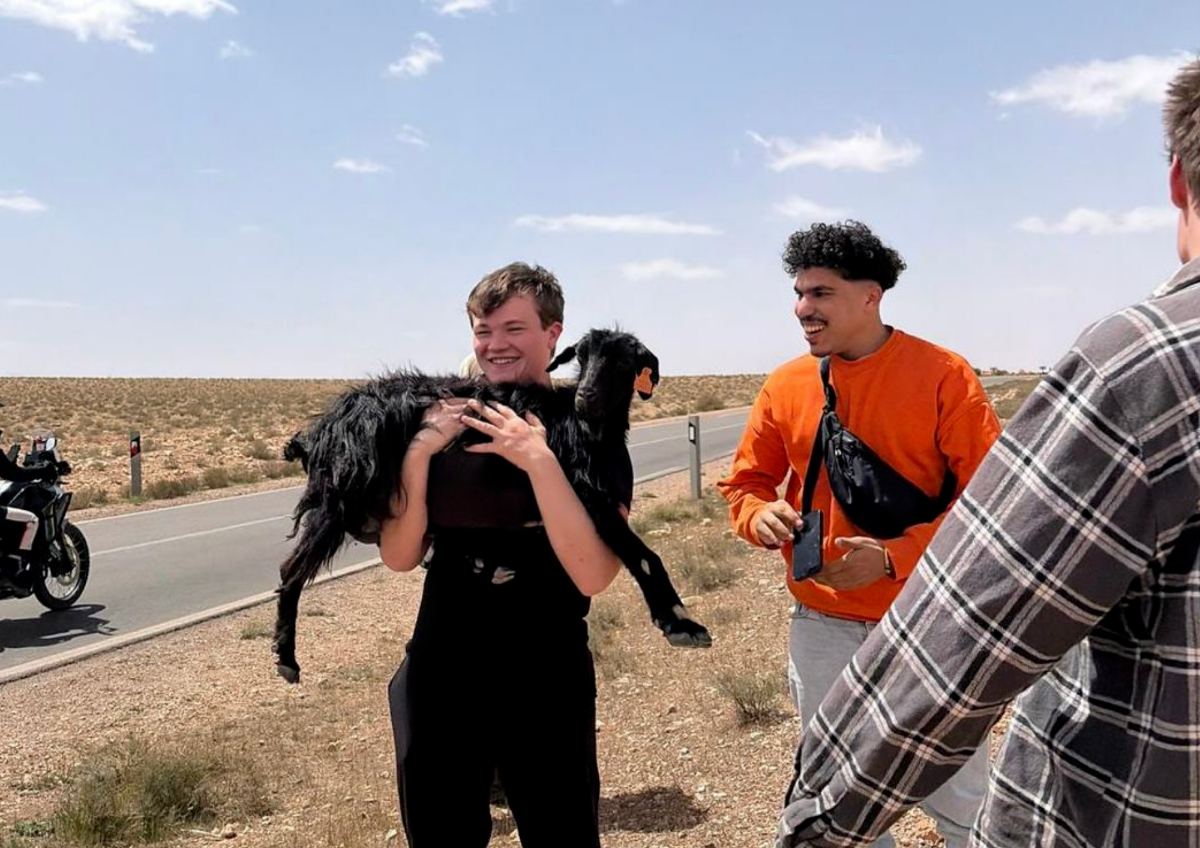
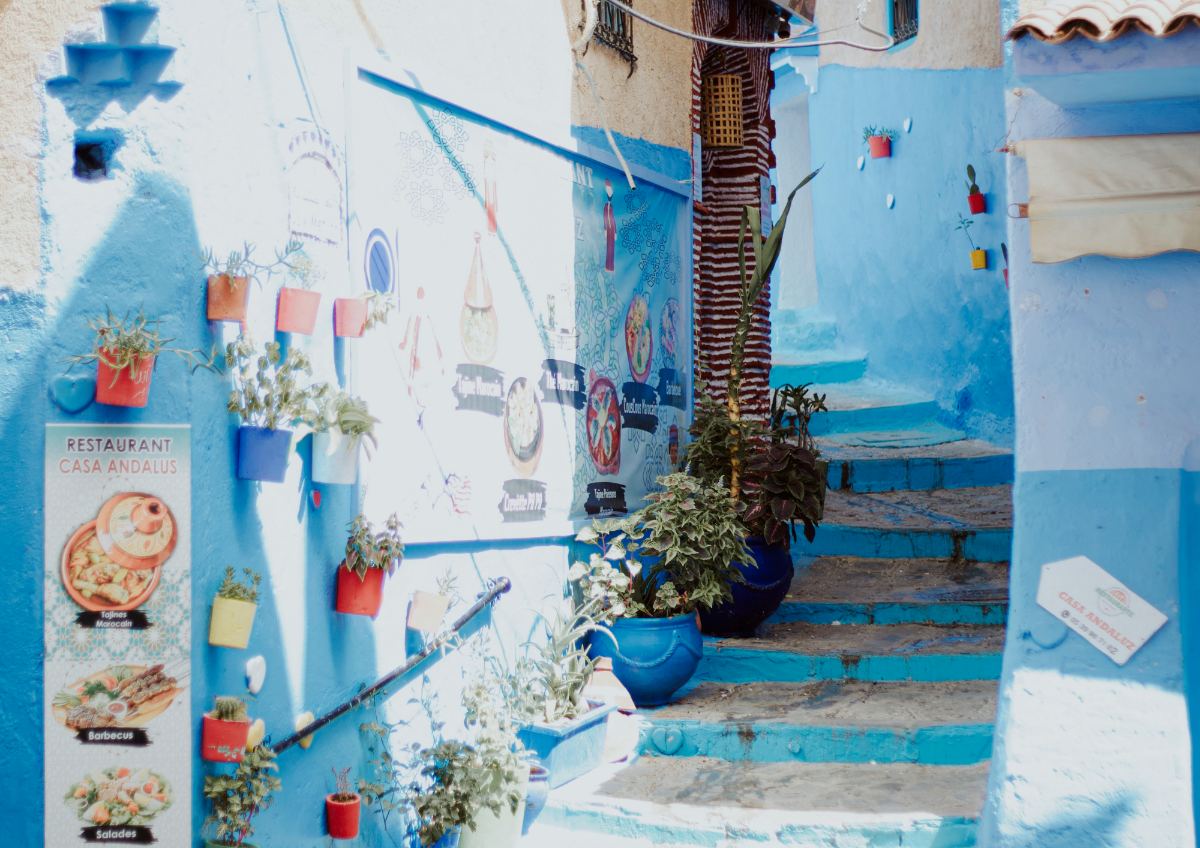
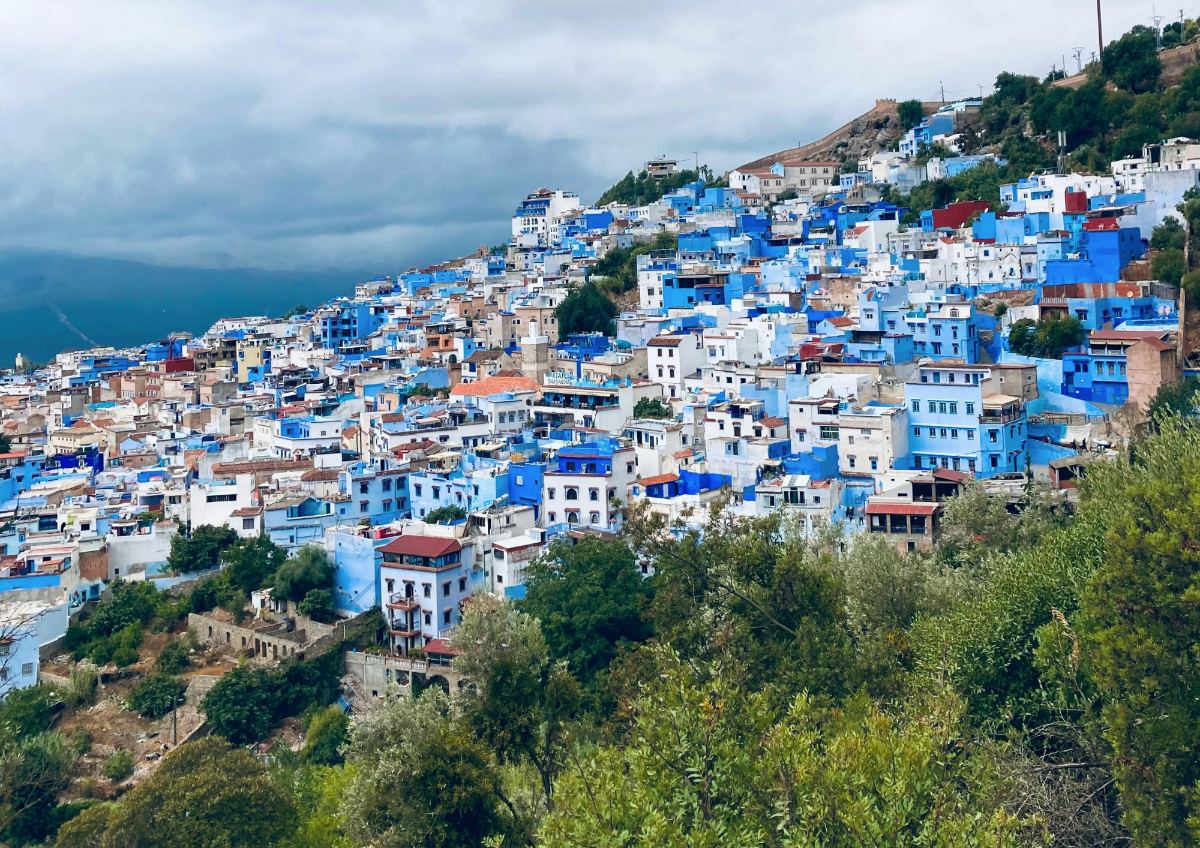
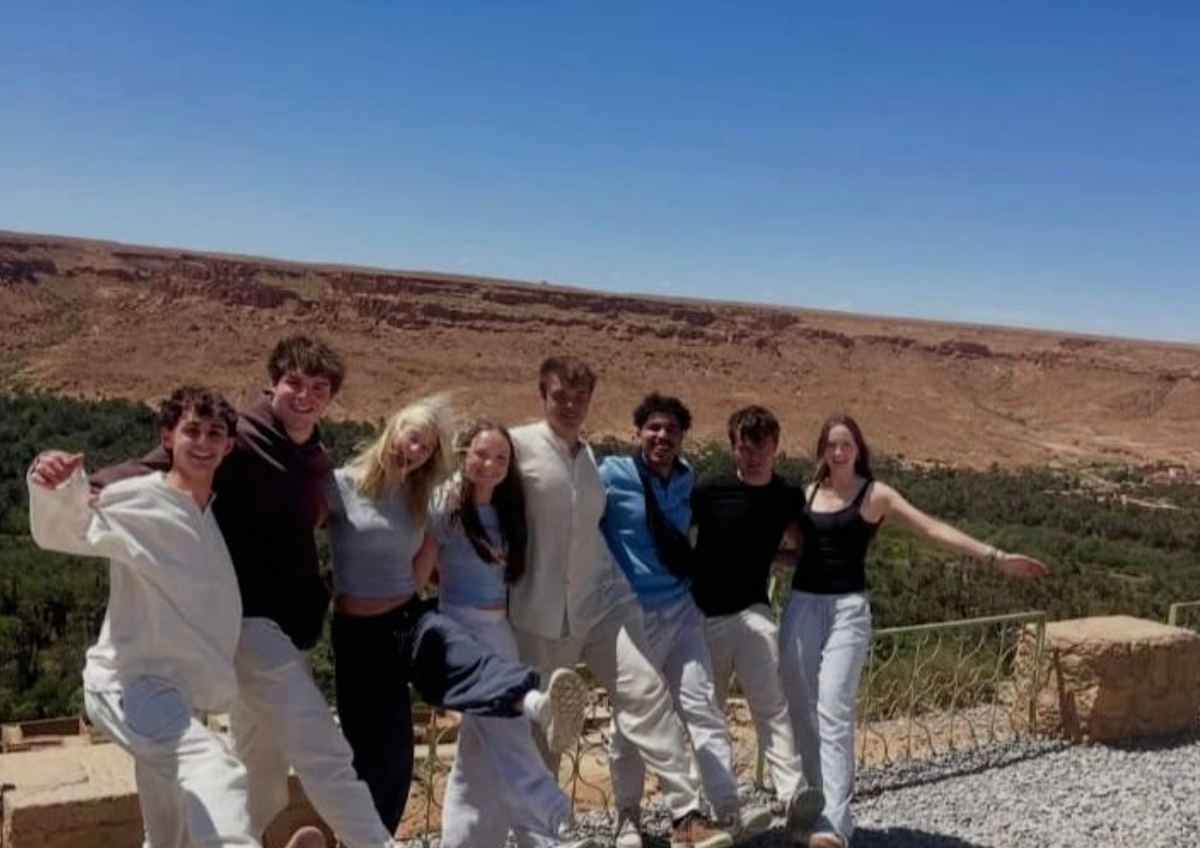
Desert camps, group day tours, and riad common areas are natural places where solo travellers end up meeting others, and Morocco’s tourism infrastructure is well set up for this kind of organic mixing. Joining a small-group rather than fully private Express 3-Day Northern Morocco Journey to Fes & the Blue City is a deliberate way to build in social contact for travellers who want some company without committing to a formal group tour for the entire trip.
Final Practical Notes
Sharing your itinerary with someone at home, keeping a digital copy of important documents, and having local emergency numbers saved are sensible basics for any solo trip, Morocco included. None of this should overshadow the fact that solo travel here is genuinely rewarding and widely undertaken; see our Tours from Casablanca page for itineraries well suited to independent travellers joining a small group.