A first night camping in the Casablanca — Wikipedia tends to follow a similar arc regardless of which camp or route brings you there, and knowing roughly what to expect helps travellers enjoy the experience rather than spend it slightly anxious about the unfamiliar. Most overnight stays take place at or near Erg Chebbi, the tall dune field close to Merzouga, reached after a full day’s drive on most desert itineraries.
Arrival by Camel
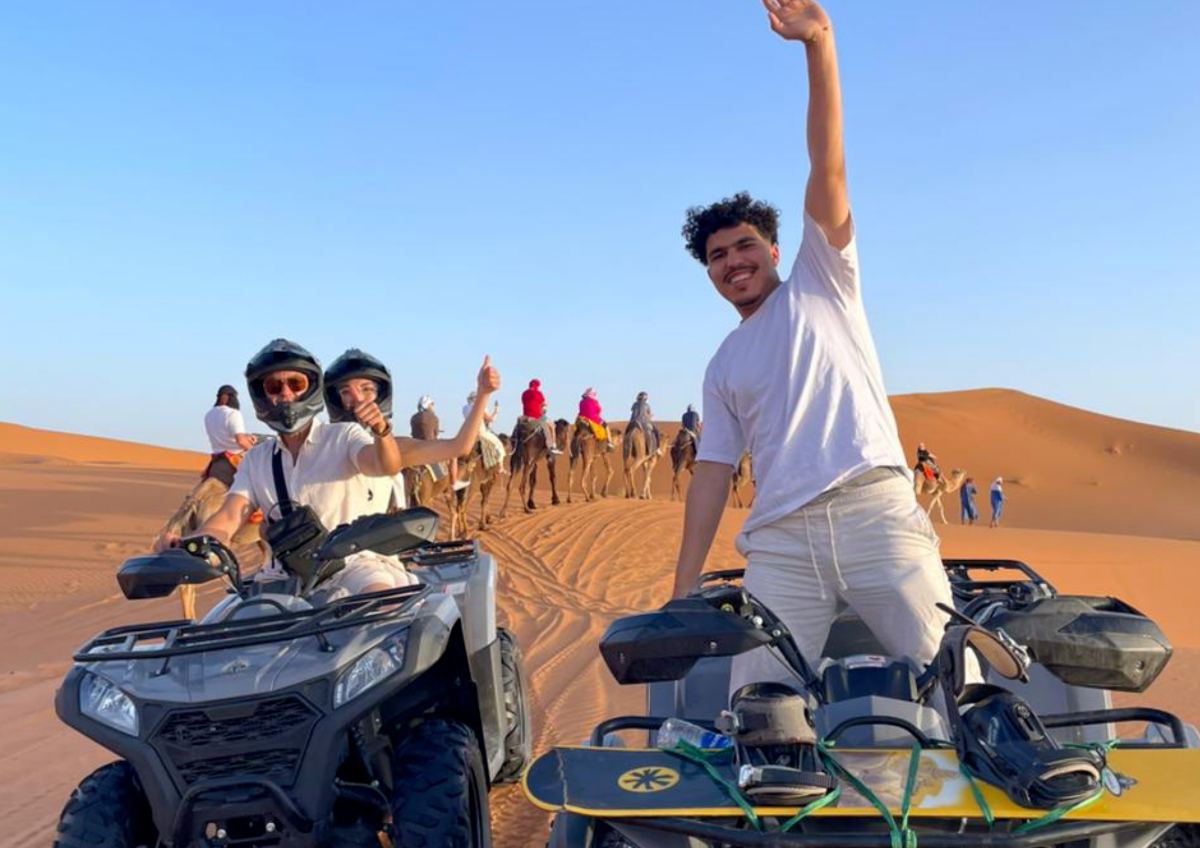
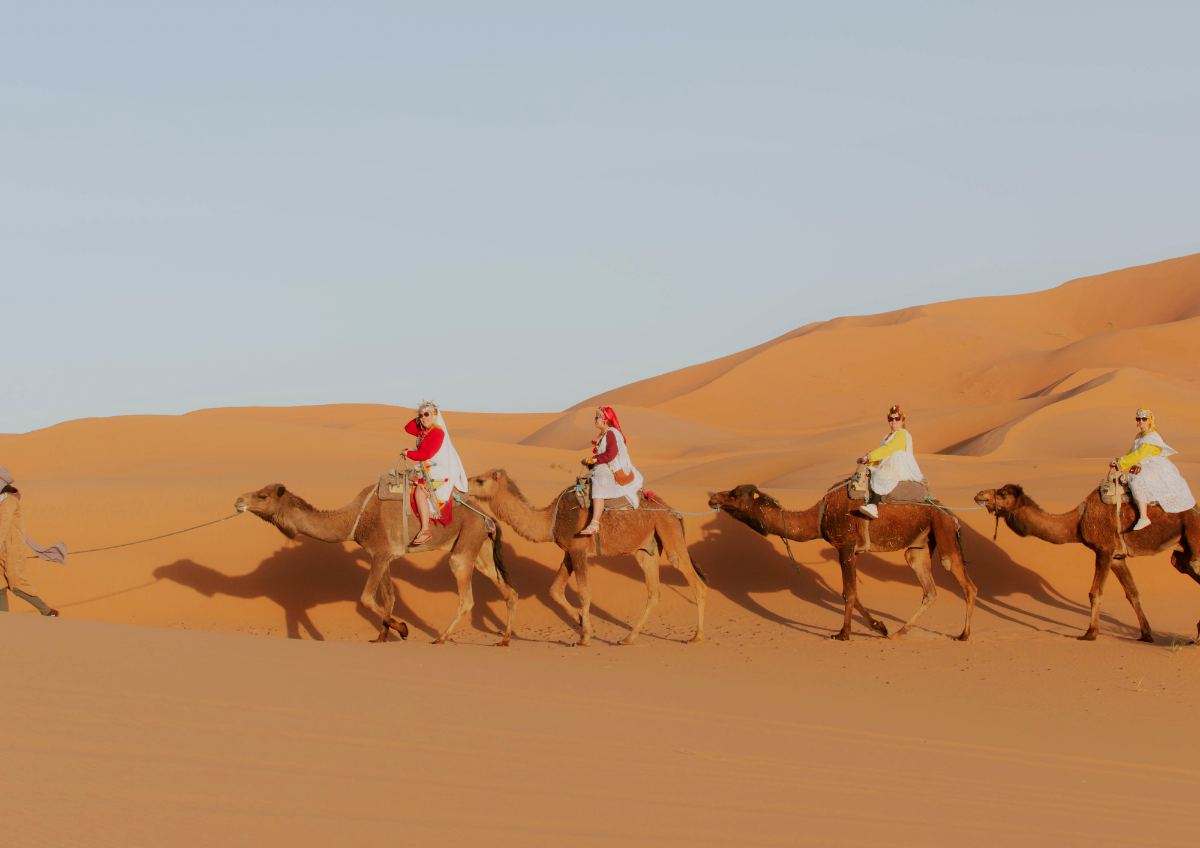
Camel treks into the dunes typically depart in the late afternoon, timed so the final stretch coincides with sunset. The camel ride itself is slower and gentler than most expect, with a distinctive rocking gait that takes a few minutes to adjust to. Roughly forty-five minutes to an hour of riding brings the group to the camp, set in a sheltered pocket between dune ridges. Travellers on a Activities usually find this transition — vehicle to camel, then road to dune silence — to be the most memorable part of the entire trip.
The Camp Itself
Desert camps range from simple shared tents with basic bedding to genuinely comfortable private tents with proper beds and en-suite facilities, depending on the tour category booked. Dinner is typically a tagine or similar slow-cooked dish served communally, often followed by Berber drumming and singing around a fire — a tradition with genuine roots rather than a staged performance for tourists, though the exact form varies by camp. Toilet and washing facilities vary considerably by camp tier, so it is worth checking this detail specifically when comparing a Express 3-Day Northern Morocco Journey to Fes & the Blue City against other operators.
The Night Sky and Temperature
Once camp lighting is switched off, the absence of any artificial light pollution reveals a night sky that surprises even travellers who consider themselves familiar with stargazing — the Milky Way is often visible as a distinct band rather than a vague smudge. Temperature drops noticeably after sunset, and can fall close to freezing between November and February, so the warm layers mentioned in most desert packing guides genuinely earn their place rather than sitting unused in the bag.
Sunrise and Departure
Most camps wake guests before dawn for the walk or short camel ride to a nearby dune crest, where the transformation from grey pre-dawn light to full gold sunrise is widely cited as the highlight of the entire desert experience. Breakfast back at camp is usually simple — bread, honey, and Moroccan mint tea — before the return journey by camel or 4×4 begins. Travellers extending their route afterwards often continue on toward Khamlia, the nearby Gnawa village, or back north via a Tours from Errachidia.
Practical Tips for Your First Desert Night
Pack a headtorch, since camp lighting is limited after dinner. Bring a light scarf even in warmer months, as wind picks up after dark. Phone signal is patchy to non-existent at most camps, which for many travellers turns out to be one of the trip’s quieter pleasures rather than an inconvenience. For a full comparison of desert camp standards across our routes, see our Morocco Touristique — Home page, which lists overnight options by itinerary.